Adult Braces in Hong Kong: 2026 Costs, Metal vs Clear Aligners and What to Know
Written and reviewed by the HK Dental Guide editorial team · Updated 24 Sept 2026 · 4 min read
On this page(6)
2026 Hong Kong Adult Orthodontics Fee Reference
When choosing an orthodontic treatment, cost is typically the primary consideration. Below is the latest fee reference for private dental clinics in Hong Kong for 2026:| Orthodontic Treatment Type | Fee Reference (HKD) | Suitable For | Treatment Duration |
|---|---|---|---|
| Traditional Metal Braces | $25,000 - $45,000 | Budget-conscious patients, complex bite issues | 18 - 24 months |
| Ceramic Braces (Semi-invisible) | $35,000 - $55,000 | Working professionals, aesthetics-conscious patients | 18 - 24 months |
| Invisalign | $35,000 - $65,000 | Patients seeking convenience with high self-discipline | 12 - 18 months |
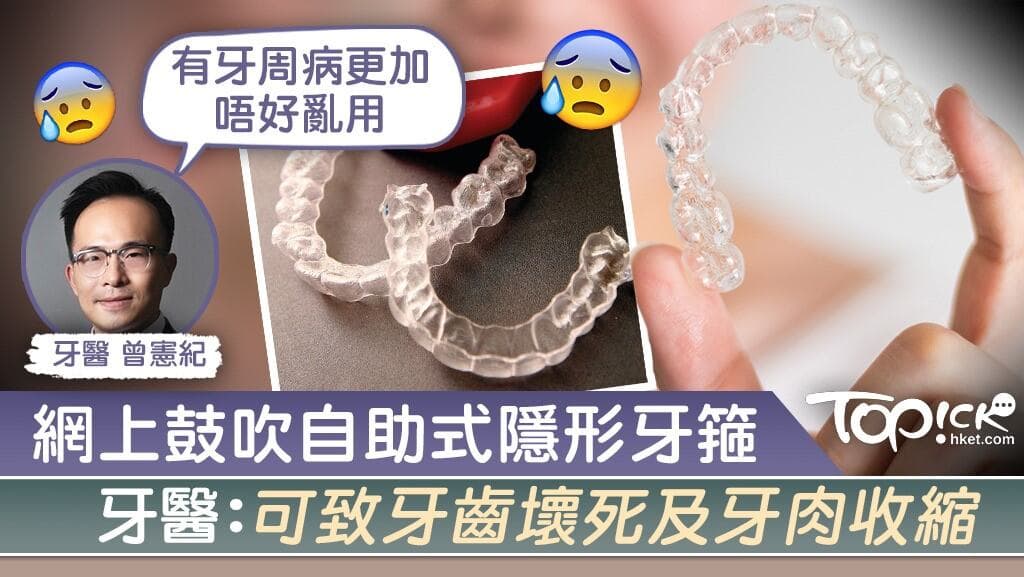
| Self-service / Lite Clear Aligners | $14,980 - $29,800 | Mild crowding, minor front teeth adjustments | 4 - 10 months |
| Lingual Braces (Fully invisible) | $60,000 - $100,000+ | Cases with the highest aesthetic requirements | 24 months or more |
Note: The fees above typically include basic examination and dental models; however, X-ray fees (approximately HK$1,500) and tooth extraction fees (approximately HK$800 - HK$1,500 per tooth) are often charged separately.
In-Depth Analysis of Adult Orthodontic Options
Treatment options available in Hong Kong can be broadly categorised into three types. The most suitable option depends on your budget, lifestyle, and the complexity of your dental condition:- Traditional Fixed Braces: Available in metal and ceramic varieties. The longest-established method, using brackets and wires to move teeth. Ceramic brackets closely match tooth colour, offering a more aesthetic appearance.
- Clear Aligners: Teeth are gradually moved using a series of transparent plastic aligners. The key advantage is that they can be removed for eating; however, they must be worn for 20–22 hours per day.
- Lingual Braces: Brackets are fitted to the inner surfaces of the teeth, making them truly "invisible." However, this option demands the highest level of clinical skill and carries the highest cost.
Considerations and Necessity of Tooth Extraction
One of the most common concerns among adults considering orthodontic treatment is: "Will I definitely need tooth extractions?" In adult orthodontics, tooth extraction is primarily carried out to create space. Not all cases require extractions — the dentist will assess the available space in the jawbone and the patient's facial proportions before making a decision. If only minor tooth movement is required, or if space can be gained through interproximal reduction (IPR), the removal of healthy teeth may not be necessary. In addition, if impacted wisdom teeth are present, it is advisable to undergo wisdom tooth removal surgery beforehand.The Key to Post-Treatment Retention: Retainers
The periodontal ligaments surrounding the teeth have a "memory," making them highly prone to relapse in the period immediately following orthodontic treatment. Wearing a retainer is therefore a critical step in ensuring the long-term stability of adult braces results. Retainers are available in two main types:- Fixed retainers: Bonded to the inner surface of the teeth, they are discreet and require no removal, but dental floss must be used for cleaning.
- Removable retainers: Available as clear plastic aligners or traditional wire-and-acrylic (Hawley) retainers. Clear retainers offer a more aesthetic appearance but are more prone to wear.
Frequently Asked Questions (FAQ)
Q1: Can adult braces cause teeth to become loose?
Under normal mechanical guidance, slight tooth mobility is a normal part of the bone remodelling process. It is only when poor oral hygiene leads to periodontal disease that the stability of the teeth is genuinely affected.Q2: I have had a dental implant — can I still undergo orthodontic treatment?
Yes. Although a dental implant cannot be moved, it can serve as an anchorage point to facilitate the movement of other teeth. This requires specialised treatment planning.Q3: How long do I need to wear a retainer?
It is recommended to wear a retainer for life (at minimum during the night) to prevent natural tooth shifting that occurs with age.How to Choose a Clinic
Undergoing adult braces treatment is a long-term investment. It is advisable to prioritise clinics that offer transparent pricing (with no hidden fees) and are equipped with advanced technology. Clear and effective communication between dentist and patient is the cornerstone of a successful outcome.※ Actual fees depend on case difficulty.
Found this useful? Pass it on
One tap to send it to family or friends on WhatsApp.
Related Questions
For braces treatment in Hong Kong in 2026, is IPR typically included in the treatment package?
The vast majority of clear aligner (e.g. Invisalign) or fixed appliance packages already include the cost of necessary IPR. However, it is advisable t...
Read related articleWill ceramic braces cause teeth to turn yellow?
The ceramic brackets themselves will not discolour, but the elastic ties around the brackets may stain from consuming foods such as curry or coffee. I...
Read related articleWhat should we do if my child is in so much pain during orthodontic treatment that they don't want to eat?
It is normal to experience mild soreness shortly after braces are fitted or adjusted. Parents should prepare soft, nutritious foods (such as fish or t...
Read related articleCan I just have braces and skip the surgery?
It depends on the size of the discrepancy. Mild-to-moderate skeletal problems can sometimes be "camouflaged" orthodontically — moving teeth to compens...
Read related articleHow do I check whether a dentist is a specialist in orthodontics?
Open the Orthodontics list in the Dental Council of Hong Kong's Specialist Register. As at 31 August 2026 it named 75 specialists, with practice addre...
Read related article