Online Promotion of DIY Clear Aligners Raises Concerns: Dentists Warn of Risk of Tooth Necrosis in Severe Cases
Written and reviewed by the HK Dental Guide editorial team · Updated 25 Sept 2026 · 3 min read
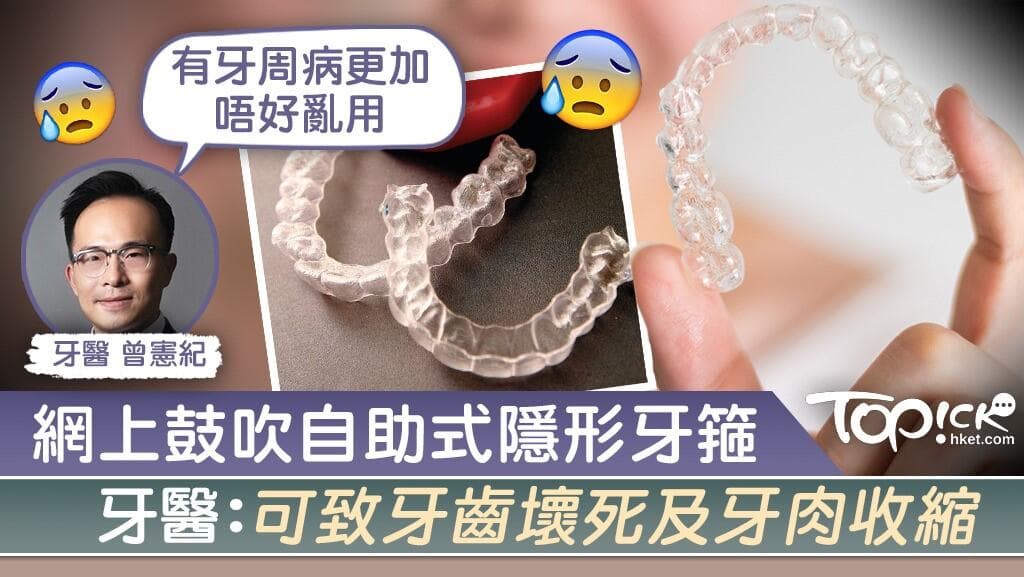
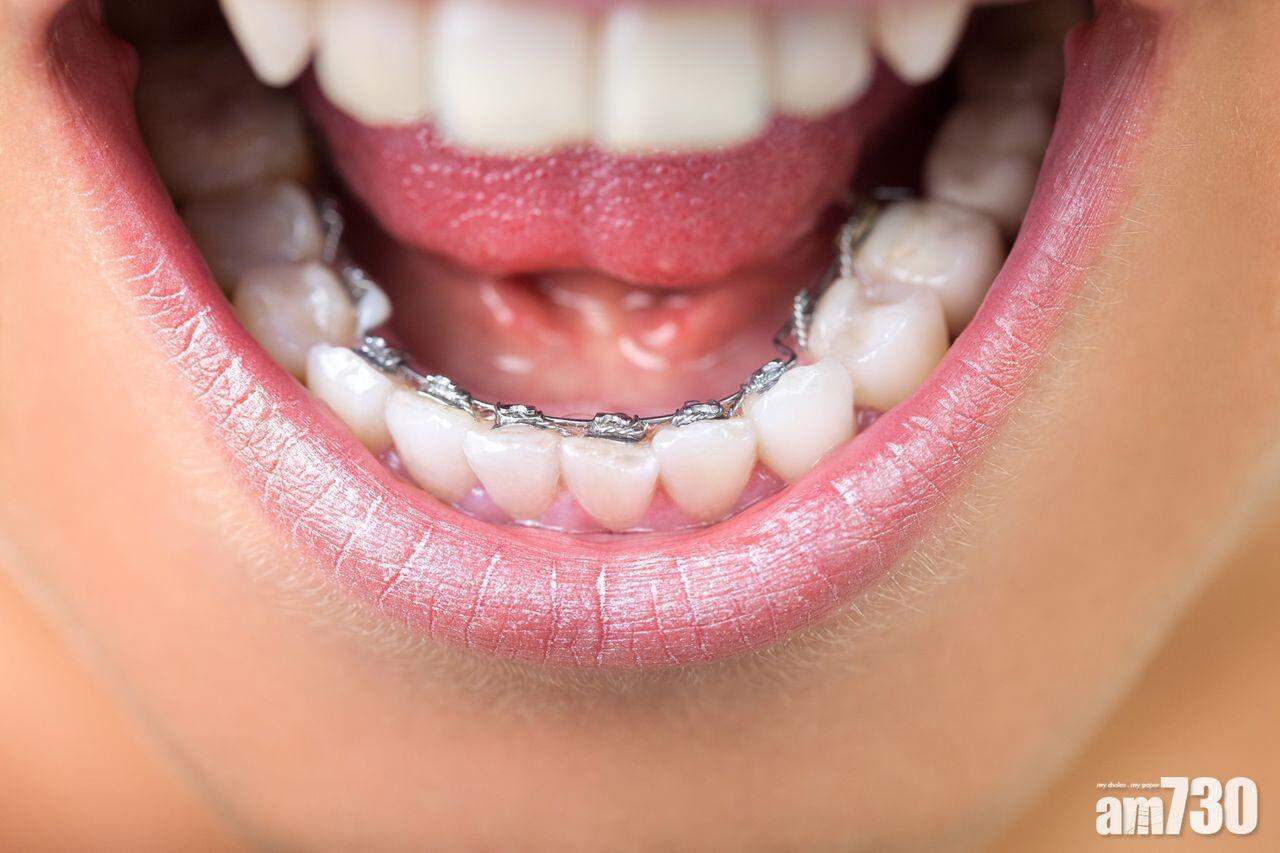
Having a set of white, well-aligned teeth naturally enhances one's smile, which is why many people consider orthodontic treatment. There are various orthodontic methods available on the market, and in recent times, social media and online platforms have been widely promoting and encouraging the use of self-directed or semi-assisted clear aligner products. Dentists have warned that undergoing orthodontic treatment without the supervision of a dentist or orthodontic specialist not only risks ineffective results, but may also lead to serious complications such as tooth necrosis and gum recession.
Social Media Promotes Self-Directed and Semi-Assisted Clear Aligner Products
The Hong Kong Dental Association and the Hong Kong Society of Orthodontists recently issued a joint statement noting that social media has been widely promoting and encouraging the use of self-directed or semi-assisted clear aligner products. They emphasised that orthodontic treatment is a specialised form of dental care, and that if any part — or the entirety — of the process lacks the professional diagnosis and progress monitoring of a registered dentist, treatment outcomes may be compromised and treatment risks increased, with a direct impact on public oral health.
A survey published by the Consumer Council in January 2023 also found that some clear aligner services operate on a "semi-self-service" or "full self-service" model, with varying levels of dentist involvement. Before choosing, consumers should understand the extent of the dentist's involvement — for example, whether only an initial dental examination is provided, or whether the dentist is involved throughout the treatment.
Orthodontic Treatment Requires Close Monitoring by a Dentist
So-called semi-assisted clear aligners — plastic orthodontic appliances manufactured by certain companies using computer-simulated tooth alignment — pose significant risks:
The Consumer Council notes that omitting an X-ray before orthodontic treatment may result in complications such as gum and bone recession due to incorrect tooth movement.
Tooth movement is a highly complex process, and the timeline for orthodontic correction differs from person to person. As a result, aligners manufactured based on simulated tooth movements may not achieve the intended repositioning as modelled by the computer. Throughout the entire course of treatment, close monitoring and management by a dentist is essential. Inappropriate tooth movement during the process may give rise to serious complications, including exposure of tooth roots, leading to tooth necrosis and gum recession.
Complications May Not Be Reversible
The Consumer Council cautions that when progress is monitored only through uploaded photos or self-checks, dental complications such as bad bites, tooth necrosis or periodontal problems may have deteriorated to a serious level before they are detected. Services involving overseas practitioners may also fall outside Hong Kong's regulatory protection, leaving consumers with limited recourse.
Risks Associated with Self-Directed or Semi-Assisted Orthodontic Products
Before starting any orthodontic treatment, a thorough examination by a dentist or orthodontic specialist — including X-ray assessment — is essential. The Consumer Council also advises that existing problems such as tooth decay, endodontic disease and periodontal disease must be treated before treatment begins. Additionally, issues with the alveolar bone can affect the progress of orthodontic treatment. For example, patients with a protruding lower jaw — commonly referred to as an underbite — may require orthognathic surgery before braces treatment can begin.
To safeguard their oral health, members of the public should seek treatment from a dentist or orthodontic specialist and avoid blindly trusting online promotions; orthodontic treatment should be monitored by a dentist or orthodontic specialist.
The Hong Kong Dental Association stated that it will closely monitor the situation and work in collaboration with relevant parties. Where necessary, appropriate assistance and public education will be provided to prevent members of the public from receiving substandard or inappropriate treatment and suffering unnecessary harm.
Learn more:Explore the pros and cons of 4 orthodontic methods, when to start braces, and pricing
Sources: Hong Kong Economic Times; Consumer Council (press release, 16 January 2023)
Found this useful? Pass it on
One tap to send it to family or friends on WhatsApp.
Related Questions
For braces treatment in Hong Kong in 2026, is IPR typically included in the treatment package?
The vast majority of clear aligner (e.g. Invisalign) or fixed appliance packages already include the cost of necessary IPR. However, it is advisable t...
Read related articleWill ceramic braces cause teeth to turn yellow?
The ceramic brackets themselves will not discolour, but the elastic ties around the brackets may stain from consuming foods such as curry or coffee. I...
Read related articleWhat should we do if my child is in so much pain during orthodontic treatment that they don't want to eat?
It is normal to experience mild soreness shortly after braces are fitted or adjusted. Parents should prepare soft, nutritious foods (such as fish or t...
Read related articleCan adult braces cause teeth to become loose?
Under normal mechanical guidance, slight tooth mobility is a normal part of the bone remodelling process. It is only when poor oral hygiene leads to p...
Read related articleCan I just have braces and skip the surgery?
It depends on the size of the discrepancy. Mild-to-moderate skeletal problems can sometimes be "camouflaged" orthodontically — moving teeth to compens...
Read related article