2026 Don't Want Tooth Extraction for Braces? Interproximal Reduction (IPR) – Full Analysis of the Process, Risks, and Benefits
Written and reviewed by the HK Dental Guide editorial team · Updated 25 Sept 2026 · 3 min read
On this page(4)
When people hear "tooth filing," they often think of the grinding sounds made during sleep. However, in orthodontic treatment, there is a professional technique known as "Interproximal Reduction (IPR)". In Hong Kong in 2026, with the growing popularity of clear aligners, many patients are hoping to complete orthodontic treatment without tooth extraction. IPR achieves this by carefully reducing the enamel on the contact surfaces between teeth, creating the space needed for tooth movement — without affecting the nerve.
Part 1: Is Tooth Extraction Always Necessary for Braces? The Role and Advantages of IPR
Many patients consulting about orthodontic treatment — whether traditional braces or clear aligners — are concerned that tooth extraction will be required.
-
Extraction cases: Suitable for severe crowding or protrusion cases requiring significant space for tooth movement. Due to the larger space required and longer movement paths, treatment duration is typically longer.
-
IPR cases: For cases requiring mild to moderate correction, interproximal reduction alone may be sufficient, eliminating the need for extraction and generally resulting in a faster treatment timeline.
Part 2: Is IPR Painful? Understanding the Safety of the Procedure
The idea of "filing teeth" may sound alarming, but understanding the medical principles behind it can put your mind at ease:
-
Enamel thickness: The enamel of human teeth is generally approximately 2.5mm thick, while IPR removes a maximum of 0.5mm per contact surface.
-
Pain-free procedure: As the outer layer of enamel contains no nerve fibres, the procedure typically causes no significant pain or discomfort.
-
Cavity risk: The amount of enamel removed is roughly equivalent to the thickness of a strand of dental floss. Currently, there is no evidence that appropriate IPR increases the risk of tooth decay or periodontal disease.
Part 3: Professional Technique and Side Effects: Will Food Get Stuck Between Teeth?
IPR is a procedure that demands a high level of skill. The dentist must avoid over-reduction while preserving the natural shape of the tooth.
-
Regarding food impaction: Some patients worry that food may become trapped between teeth after IPR. In practice, food impaction can naturally occur during orthodontic treatment as teeth shift throughout the process.
-
Solution: By following your dentist's oral hygiene instructions and using dental floss or interdental brushes, the issue will improve significantly as your teeth gradually become better aligned during treatment.
Part 4: Warning — Never Attempt to File Your Own Teeth!
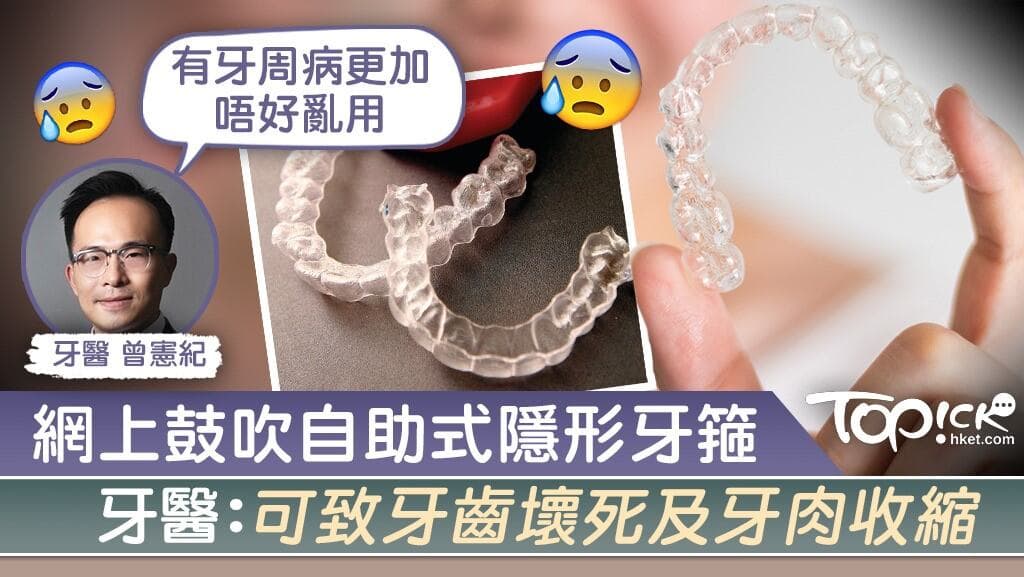
A recent trend abroad involves individuals filing their own teeth (such as using a nail file to shorten teeth). This causes irreversible damage to the teeth.
-
Precise measurements required: Before performing any reduction — such as for veneers or dental crowns — a professional dentist must take accurate measurements of the amount of enamel to be removed.
-
Irreparable damage: Tooth structure cannot repair itself once damaged. Any self-inflicted harm will result in permanent and lasting consequences.
Section 3: Frequently Asked Questions (FAQ)
-
Q1: For braces treatment in Hong Kong in 2026, is IPR typically included in the treatment package?
-
A: The vast majority of clear aligner (e.g. Invisalign) or fixed appliance packages already include the cost of necessary IPR. However, it is advisable to confirm with your clinic whether any additional procedural fees apply before signing your treatment agreement.
-
-
Q2: Will my teeth become more sensitive after IPR?
-
A: When performed by a registered dentist strictly within the safe limit (no more than 0.5mm), IPR typically does not cause long-term tooth sensitivity. Should any temporary sensitivity occur, using a desensitising toothpaste is recommended.
-
-
Q3: How can I verify that my dentist is qualified to perform IPR?
-
A: It is recommended that you refer to the register of dentists on the Hong Kong Dental Council website to ensure that your treatment is carried out by a qualified professional, safeguarding your personal wellbeing.
-
Found this useful? Pass it on
One tap to send it to family or friends on WhatsApp.
Related Questions
Will ceramic braces cause teeth to turn yellow?
The ceramic brackets themselves will not discolour, but the elastic ties around the brackets may stain from consuming foods such as curry or coffee. I...
Read related articleWhat should we do if my child is in so much pain during orthodontic treatment that they don't want to eat?
It is normal to experience mild soreness shortly after braces are fitted or adjusted. Parents should prepare soft, nutritious foods (such as fish or t...
Read related articleCan adult braces cause teeth to become loose?
Under normal mechanical guidance, slight tooth mobility is a normal part of the bone remodelling process. It is only when poor oral hygiene leads to p...
Read related articleCan I just have braces and skip the surgery?
It depends on the size of the discrepancy. Mild-to-moderate skeletal problems can sometimes be "camouflaged" orthodontically — moving teeth to compens...
Read related articleHow do I check whether a dentist is a specialist in orthodontics?
Open the Orthodontics list in the Dental Council of Hong Kong's Specialist Register. As at 31 August 2026 it named 75 specialists, with practice addre...
Read related article