How Is Dental Scaling Done? Regular vs Deep Cleaning Steps, How Often, and Common Myths (2026)
Written and reviewed by the HK Dental Guide editorial team · Updated 6 Oct 2026 · 11 min read
On this page(11)
Scaling prices: want a quick list of scaling costs? → Hong Kong scaling price guide 2026
Dental scaling removes plaque, tartar (calculus) and stains from tooth surfaces with an ultrasonic scaler and hand instruments. Hong Kong's Department of Health advises a check-up once a year for most adults and every 6 months for higher-risk groups; how often you need scaling is your dentist's call. For prices, see our scaling fee benchmark page.
This page covers how scaling is done, how often you need it and what to watch out for. The 2026 public / subsidised / private / Shenzhen fee comparison lives on the scaling fee benchmark page; prices get one sentence at the end here.
What scaling is, and why brushing alone is not enough
The Department of Health's oral health education site defines scaling simply: it removes the plaque, calculus and stains attached to the tooth surface so that the teeth are clean and smooth again, and its purpose is to remove the bacteria that cause gum disease and reduce your chance of developing it1.
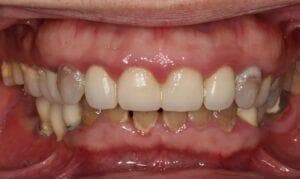
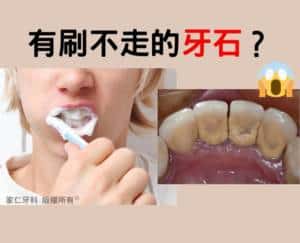
Plaque is a bacterial film that forms on teeth. If it is not brushed away thoroughly, it is calcified by saliva into calculus; because the surface of calculus is very rough, it collects even more plaque4. Once calculus has formed, no toothbrush or floss can remove it; only dental instruments can1,4. Bacteria in plaque release toxins that inflame the gums; if the inflammation continues, the gum detaches from the root to form a periodontal pocket, the supporting bone slowly recedes, and the tooth eventually loosens or is lost4.
Regular scaling vs deep cleaning: what is the difference?
"Scaling" is not one procedure but two levels. Regular scaling and polishing cleans calculus and stains above the gumline; deep cleaning, properly called scaling and root planing (SRP), is "a deep cleaning below the gumline used to treat gum disease"8. The American Dental Association puts it plainly: if gum disease is caught early and has not damaged the structures below the gum line, a professional cleaning should do; if the pockets between gums and teeth are too deep, scaling and root planing may be needed8.
| Comparison | Regular scaling & polishing | Deep cleaning / scaling and root planing (SRP) |
|---|---|---|
| Purpose | Remove plaque, calculus and stains above the gumline; prevent gum disease1 | Remove plaque and calculus from inside periodontal pockets and on root surfaces; treat gum disease4,8 |
| Who it is for | People with healthy gums or mild gingivitis8 | People who already have periodontal pockets / periodontitis4,8 |
| Instruments | Ultrasonic scaler and hand instruments, then polishing with pumice or air-powder spray1 | Ultrasonic plus hand curettes below the gumline; root surfaces are smoothed (planed)8,16 |
| Anaesthetic | Usually none | May require a local anaesthetic8 |
| Visits | Usually one | May take more than one visit8; most patients then need ongoing periodontal maintenance16 |
| Afterwards | Patients with gum disease may feel mild discomfort and gum bleeding for a few days1 | Pain for a day or two, sensitivity for up to a week; gums may be swollen, tender and bleed8 |
The scaling procedure, step by step
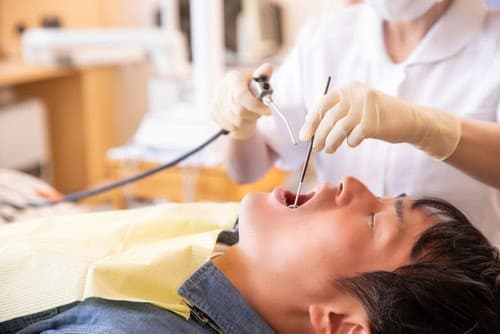
A routine scaling appointment usually runs like this:
- Examination: the dentist examines your teeth, gums and mouth, asks about your general health, medications and pregnancy, and checks for periodontal pockets6,8. If you have gum disease, pocket depths are measured tooth by tooth.
- Ultrasonic scaling: firmly attached calculus is removed with dental instruments or an ultrasonic scaler1.
- Hand scaling: areas the ultrasonic tip cannot fully reach, particularly between teeth and at the gum margin, are cleaned tooth by tooth with hand instruments1.
- Polishing: the tooth surface is polished with dental pumice, or a fine sodium bicarbonate powder mixed with air and water is sprayed onto the teeth1. This removes external stains from tea, coffee and tobacco and leaves the surface smooth, so plaque re-attaches more slowly.
- Fluoride (if indicated): the Department of Health lists using fluoride among its tooth-care tips2; some dentists apply fluoride after scaling depending on your decay risk. This step is not part of every visit.
Deep cleaning adds a few steps: a local anaesthetic may be given, curettes are used below the gumline to remove plaque and bacterial toxins from the pockets, and the root surface is smoothed so that plaque adheres less easily in future8,16. Because it is done area by area, it may take more than one visit to complete8.
How often should you have your teeth scaled?
There is no single number; every official source says it depends on the person:
- Department of Health (Hong Kong): the dentist recommends a check-up frequency based on each person's oral condition. For most people, once a year is enough; the following higher-risk or special-needs groups should be checked every 6 months or more often: smokers (a smoker's chance of gum disease can be five times or more that of a non-smoker), people with systemic conditions such as diabetes, haemophilia or HIV, people with disabilities, people who have had head-and-neck radiotherapy, and people with serious oral disease2.
- NHS (UK): "The time between check-ups can vary from 3 months to 2 years, depending on how healthy your teeth and gums are and your risk of future problems." People with good oral health may need to attend only once every 12 to 24 months; those with more problems need to go more often6.
- Cochrane systematic review (2018): two UK trials with 1,711 adults without severe periodontitis compared routine scale and polish every 6 or 12 months with scaling only when the dentist judged it necessary. After two to three years there was little or no difference in gingivitis, probing depths or oral-health-related quality of life; the only difference was that the routine group felt their teeth were cleaner9.
In short: healthy gums do not automatically need a six-monthly scale, while smokers, diabetics and anyone with existing gum disease are usually told to return sooner. Follow the date your dentist gives you.
Before and after scaling
Before
- Tell the dentist your full medical history and medications, especially heart conditions, artificial heart valves, anticoagulants, diabetes and pregnancy (details below)5,12,13.
- If you have not been scaled for years or your gums bleed regularly, expect that it may not be finished in one visit; after examining you the dentist may recommend deep cleaning8.
After
- Patients with gum disease may feel mild discomfort and notice some gum bleeding for a few days after scaling; it normally settles as long as you keep cleaning thoroughly1.
- After deep cleaning "you may have pain for a day or two and teeth sensitivity for up to a week"; the gums may be swollen and tender8. If pain lasts beyond a week or gets worse, go back to the dentist.
- Keep brushing morning and night and cleaning between the teeth with floss or interdental brushes. Scaling removes calculus that has already formed; the plaque that forms afterwards is still your daily job4.
- For gum-disease patients scaling is not a one-off: the American Academy of Periodontology notes that most patients who have had scaling and root planing need ongoing maintenance therapy to keep their periodontal health16.
Common myths about scaling
Myth 1: scaling widens the gaps between teeth
It does not. Before scaling, the spaces between teeth are often filled by swollen gum and packed calculus; once the calculus is removed and the swelling goes down, the real gaps become visible. That is the teeth returning to their true state. What genuinely widens the gaps is periodontal disease itself: the Department of Health explains that as periodontal tissue is destroyed, the gum and alveolar bone slowly recede, and with gum recession part of the root is exposed so the teeth look longer4. Skip scaling and let the disease progress, and the bone keeps receding; that is when the gaps really grow4.
Myth 2: scaling wears away enamel
The purpose of scaling is to remove calculus, plaque and stains and leave the teeth clean and smooth1, not to grind the tooth itself. To be fair, the Cochrane review does note that scaling is an invasive procedure that has been associated with side effects including damage to tooth surfaces and sensitivity, but the large trials available did not measure these outcomes9. The practical point is that it should be done correctly by a registered dentist or by a dental hygienist under a dentist's supervision; you can check a dentist's registration on the Dental Council of Hong Kong website15.
Myth 3: scaling is very painful
Regular scaling normally needs no anaesthetic; people with heavy calculus and inflamed gums feel it more, and may have mild discomfort and slight bleeding for a few days afterwards1. Deep cleaning reaches below the gumline, so it "may require a local anesthetic", and there may be pain for a day or two afterwards8. The longer since your last scaling, the more uncomfortable it tends to be.
Myth 4: scaling whitens teeth
Scaling and polishing remove tea, coffee and tobacco stains stuck to the surface1, so teeth often look brighter afterwards, but the tooth's own colour does not change. Genuine tooth whitening is a different procedure that "lightens the colour of your teeth using a gel and sometimes a laser"14.
Who needs to take extra care
- Heart conditions: under American Heart Association / ADA guidance, antibiotic prophylaxis is reasonable before any dental procedure "that involve[s] manipulation of gingival tissue" (scaling is one) for people with prosthetic heart valves or valve-repair material, a history of infective endocarditis, certain congenital heart defects, or a heart transplant with valve regurgitation12. Ordinary coronary disease or hypertension is not on that list, but tell your dentist anyway. For artificial joints, prophylactic antibiotics are generally not recommended12.
- Anticoagulants and antiplatelet drugs: the ADA states that "for most patients, it is unnecessary to alter anticoagulation or antiplatelet therapy prior to dental intervention", that any change must be made in consultation with the prescribing physician, and that bleeding from dental procedures can usually be controlled with local measures13. Never stop your medication on your own before scaling, but always tell the dentist what you take.
- Pregnancy: hormonal changes make the gums react more strongly to plaque toxins, causing "pregnancy gingivitis"5. The Department of Health specifically advises that pregnant women can see a dentist and have scaling in the fourth to sixth month of pregnancy, when the foetus is more stable and treatment is more convenient for the mother5. The NHS likewise advises regular visits to a dentist and hygienist during pregnancy7.
- Diabetes and smoking: both are on the Department of Health's higher-risk list, with check-ups every 6 months or more often2; the NHS also singles out type 2 diabetes for regular check-ups7.
- Severe gum disease: if your dentist finds deep pockets or loosening teeth, ask about referral to a periodontist. The Dental Council of Hong Kong's Specialist Register lists 8 specialties, Periodontology among them, and the register is open to the public15.
When to see a dentist right away
Book promptly, rather than waiting for your next routine scale, if you notice:
- Gums that keep bleeding when you brush, floss or eat hard foods7.
- Red, swollen or painful gums, or pus7.
- Teeth that look longer, exposed roots, or teeth that feel loose or have shifted4.
- Pain lasting more than a week after scaling or deep cleaning, or pain and swelling that is getting worse8.
Prices in one sentence
Regular scaling at a private clinic in Hong Kong is generally about HK$500–70010,11; eligible people can have scaling once every 365 days under the Community Dental Support Programme (CDSP), free of charge for Class A recipients and HK$50 for Class B3 (checked 2026-09-25). The full four-column benchmark table covering public, subsidised, private and Shenzhen fees, plus deep cleaning and periodontal specialist fees, is on the Hong Kong scaling fee benchmark page.
Frequently asked questions
Is scaling really necessary?
Calculus cannot be brushed off; only dental instruments remove it, and its rough surface collects more plaque, which is where gum disease starts1,4. If you have calculus, it should be scaled; how often is for your dentist to decide.
How often should I have scaling?
Department of Health: a check-up once a year for most people, every 6 months or more for higher-risk groups such as smokers and diabetics2. The NHS says anywhere from 3 months to 2 years6. Follow the date your dentist gives you.
Does scaling hurt?
Regular scaling usually needs no anaesthetic; if your gums are inflamed you may feel mild discomfort and some bleeding for a few days1. Deep cleaning may need a local anaesthetic and can be sore for a day or two8. Regular scaling is usually less uncomfortable.
My teeth are sensitive after scaling. What should I do?
Sensitivity after deep cleaning can last up to a week, and the gums may be swollen and tender8. Avoid very hot or cold food meanwhile and keep brushing and flossing; if it lasts beyond a week or the pain increases, see your dentist.
Deep cleaning or regular scaling: how do I choose?
You do not choose; pocket depth does. If gum disease is early and has not damaged the tissue below the gumline, a professional cleaning is enough; if the pockets are too deep you need scaling and root planing, possibly with local anaesthetic and over several visits8.
Related guides
- Hong Kong scaling fee benchmark 2026: the four-column comparison of regular scaling, deep cleaning and periodontal specialist fees; this site's price benchmark page.
- Scaling price guide 2026: what a quote includes and excludes, and how to read one.
- Bleeding gums and periodontal disease warning signs: is bleeding when brushing gum disease, and when to see a dentist.
- Gum recession causes and treatment 2026: why teeth "look longer" and gaps appear.
- Hong Kong dental fees overview: public / subsidised / private / Shenzhen benchmarks for every treatment.
- How to verify a dentist in Hong Kong: checking the Dental Council register and specialist qualifications.
- Low-cost dental options in Hong Kong: how to apply for public, subsidised and university dental services.
Sources
- Department of Health Oral Health Education Unit, toothclub.gov.hk, "Scaling" (Chinese), https://www.toothclub.gov.hk/chi/adu_01_06_04.html, checked 2026-09-25.
- Department of Health Oral Health Education Unit, "Tooth-care tips: regular oral check-ups" (Chinese), https://www.toothclub.gov.hk/chi/adu_01_02_03_02.html, checked 2026-09-25.
- Community Dental Support Programme (CDSP), "Introduction: services and co-payment fees", https://www.communitydental.gov.hk/tc/cdsp/introduction_of_cdsp.html, checked 2026-09-25.
- Department of Health Oral Health Education Unit, "Causes and progression of periodontal disease" (Chinese), https://www.toothclub.gov.hk/chi/adu_01_04_01_06.html, checked 2026-09-25.
- Department of Health Oral Health Education Unit, "Oral care during pregnancy" (Chinese), https://www.toothclub.gov.hk/chi/adu_01_07_01.html, checked 2026-09-25.
- NHS, "Dental check-ups", https://www.nhs.uk/live-well/healthy-teeth-and-gums/dental-check-ups/, checked 2026-09-25.
- NHS, "Gum disease", https://www.nhs.uk/conditions/gum-disease/, checked 2026-09-25.
- American Dental Association, MouthHealthy, "Scaling and Root Planing", https://www.mouthhealthy.org/all-topics-a-z/scaling-and-root-planing, checked 2026-09-25.
- Lamont T et al., Cochrane systematic review, "Routine scale and polish for periodontal health in adults" (27 Dec 2018), https://www.cochrane.org/evidence/CD004625_routine-scale-and-polish-periodontal-health-adults, checked 2026-09-25.
- Private clinic market reference: Hong Kong Economic Journal: scaling frequency and prices (Chinese) (6 Mar 2025; private clinics $500–800); this site also checked two private clinics' published price lists in Sep 2026 (not named or linked, to stay neutral). checked 5 Oct 2026.
- Private clinic market reference: Bowtie (insurer): scaling fees 2026 (Chinese) (14 May 2026; HK private clinics generally $450–1,500); this site also checked two private clinics' published price lists in Sep 2026 (not named or linked, to stay neutral). checked 5 Oct 2026.
- American Dental Association, "Antibiotic Prophylaxis Prior to Dental Procedures" (citing the AHA 2007 guideline and 2021 update), https://www.ada.org/resources/ada-library/oral-health-topics/antibiotic-prophylaxis, checked 2026-09-25.
- American Dental Association, "Oral Anticoagulant and Antiplatelet Medications and Dental Procedures" (updated 28 Sep 2022), https://www.ada.org/resources/ada-library/oral-health-topics/oral-anticoagulant-and-antiplatelet-medications-and-dental-procedures, checked 2026-09-25.
- NHS, "Teeth whitening", https://www.nhs.uk/conditions/teeth-whitening/, checked 2026-09-25.
- Dental Council of Hong Kong, "Lists of registered dentists and Specialist Register", https://www.dchk.org.hk/en/list/index.html, checked 2026-09-25.
- American Academy of Periodontology, "Non-Surgical Treatments", https://www.perio.org/for-patients/periodontal-treatments-and-procedures/non-surgical-treatments/, checked 2026-09-25.
Found this useful? Pass it on
One tap to send it to family or friends on WhatsApp.
Related Questions
Is it normal for gums to bleed when brushing?
No. The DH says bleeding on brushing is a signal of gum disease, not brushing injury and not "heatiness"; herbal tea can only ease discomfort for a wh...
Read related articleWill scaling make my teeth gaps larger?
Scaling itself does not enlarge tooth gaps. The sensation of wider gaps occurs because the swollen gum tissue and tartar that had been filling the spa...
Read related articleIn Hong Kong in 2026, is it better value to buy a water flosser or dental floss?
Traditional dental floss is low in cost and highly effective at cleaning, making it the ideal everyday option for most people. Water flossers require...
Read related articleCan I go to the dentist with tonsillitis?
For routine care (check-ups, scaling, fillings) it is usually better to reschedule. The NHS lists a high temperature, painful swallowing, earache and...
Read related articleHow much does scaling cost in Hong Kong?
Routine scaling is typically $500–700 at a private clinic [8] and $1,000–2,800 at a private hospital [6][7]; eligible people pay nothing or $50 under...
Read related article