2026 Hong Kong Interdental Cleaning Guide: Dental Floss, Interdental Brushes, or Water Flossers — Which Suits You? Choosing by Gap Size
Written and reviewed by the HK Dental Guide editorial team · Updated 25 Sept 2026 · 4 min read
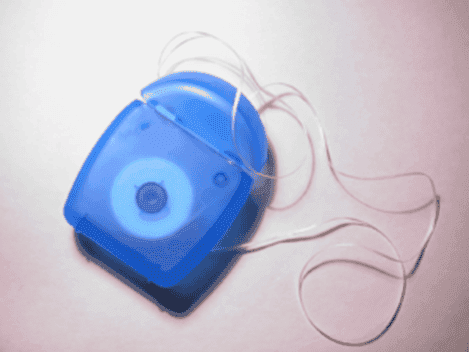
Brushing alone is not enough to prevent gum disease, bad breath, and tooth decay. No matter how diligently you brush, there are areas a toothbrush simply cannot reach — especially the spaces between your teeth. In Hong Kong in 2026, more and more residents are becoming aware of the importance of oral hygiene, yet choosing the right interdental cleaning tool remains a common challenge. The Department of Health's oral health education materials note that toothbrushing cannot clean the surfaces between teeth; to remove plaque from those surfaces, dental floss or an interdental brush must be used daily. Plaque left between the teeth over time can lead to periodontal disease and other gum problems.
1. Why Should You Clean Between Your Teeth Every Day?
To prevent plaque build-up, you should not wait until food gets stuck between your teeth to clean the gaps — instead, you should use dedicated tools to clean thoroughly every day. The spaces between teeth are a breeding ground for plaque, and prolonged neglect can lead to the following problems:
-
Persistent bad breath: Food debris trapped between teeth ferments and produces unpleasant odours.
-
Interproximal tooth decay: The surfaces where two teeth meet deteriorate due to inadequate cleaning.
-
Gum recession: Long-term tartar accumulation causes the gums to recede.
2. 2026 Hong Kong Interdental Cleaning Tools Comparison Chart
In general, different oral conditions call for different tools:
| Tool Type | Suitable For | Advantages | Points to Note |
| Dental Floss | Those without gum recession or with narrow interdental spaces | Thinner design; most comprehensive cleaning coverage | Correct technique must be mastered |
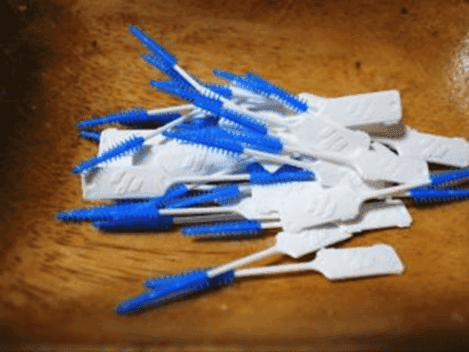
| Interdental Brush | Those with wider interdental spaces or gum recession | Highly effective at cleaning larger gaps | Excessive pressure can injure the gums |
| Water Flosser | Those with braces, dental bridges, or limited hand dexterity | Easy to use; cleans using a high-pressure water jet | Cannot fully replace physical friction cleaning |
3. Expert Analysis: When to Use Dental Floss, Interdental Brushes, and Expanding Floss
1. Why Is Dental Floss Generally Recommended Over Interdental Brushes?
According to the Department of Health's oral health education materials, an interdental brush may be used instead of dental floss when there is a wide gap between neighbouring teeth; for those without gum recession or excessively wide interdental spaces, dental floss is generally the main tool. Dental floss is designed to be thin, allowing it to clean the contact surfaces between two teeth. If the gaps are not wide but an interdental brush is used anyway, it can only clean the triangular area near the gumline and cannot reach the contact surfaces in the middle of the teeth. The Department of Health also cautions against forcing an interdental brush into the interdental space, as this may damage the gums.
2. Advanced Options for Larger Interdental Spaces
For those with wider interdental spaces, the Department of Health advises choosing an interdental brush that fits snugly: it should go in easily and fill the space without strong resistance. In addition, there is a type of **"water-expanding floss"** available on the market — designed to be thicker and to expand upon contact with moisture, achieving both the smooth gliding action of regular floss and the cleaning effectiveness of an interdental brush.
3. A Game-Changer for Those with Braces or Dental Bridges: The Water Flosser
If you find dental floss difficult to manoeuvre, or if braces or a dental bridge are getting in the way, a water flosser may be worth considering. It works by using a high-pressure jet of water or an air-water mixture to dislodge debris, making it simpler and more convenient to use.
Part 3: Frequently Asked Questions (Schema Optimized)
-
Q1: In Hong Kong in 2026, is it better value to buy a water flosser or dental floss?
-
A: Traditional dental floss is low in cost and highly effective at cleaning, making it the ideal everyday option for most people. Water flossers require a higher upfront investment (HK$400 – $1,200), but for those with braces, they can significantly improve both the motivation and efficiency of cleaning.
-
-
Q2: Is it normal for my gums to bleed when using an interdental brush?
-
A: Minor bleeding may indicate gum inflammation (an early sign of periodontal disease), but it could also be due to using excessive pressure or an incorrectly sized brush. Choose a size that fits snugly and never force the brush into the gap; if bleeding persists, consult a dentist.
-
-
Q3: Can I use a toothpick instead of dental floss?
-
A: This is not recommended. Toothpicks are hard and thick, and can easily puncture the gums or forcibly widen the interdental spaces. Long-term use can lead to gum recession, and they are unable to achieve the deep cleaning that dental floss provides.
-
Found this useful? Pass it on
One tap to send it to family or friends on WhatsApp.
Related Questions
Is it normal for gums to bleed when brushing?
No. The DH says bleeding on brushing is a signal of gum disease, not brushing injury and not "heatiness"; herbal tea can only ease discomfort for a wh...
Read related articleWill scaling make my teeth gaps larger?
Scaling itself does not enlarge tooth gaps. The sensation of wider gaps occurs because the swollen gum tissue and tartar that had been filling the spa...
Read related articleIs scaling really necessary?
Calculus cannot be brushed off; only dental instruments remove it, and its rough surface collects more plaque, which is where gum disease starts [1][4...
Read related articleCan I go to the dentist with tonsillitis?
For routine care (check-ups, scaling, fillings) it is usually better to reschedule. The NHS lists a high temperature, painful swallowing, earache and...
Read related articleHow much does scaling cost in Hong Kong?
Routine scaling is typically $500–700 at a private clinic [8] and $1,000–2,800 at a private hospital [6][7]; eligible people pay nothing or $50 under...
Read related article