2026 Complete Guide to Temporomandibular Joint (TMJ) Disorders in Hong Kong: Causes, Symptoms, and Physiotherapy Recommendations
Written and reviewed by the HK Dental Guide editorial team · Updated 12 Jan 2026 · 4 min read
On this page(4)
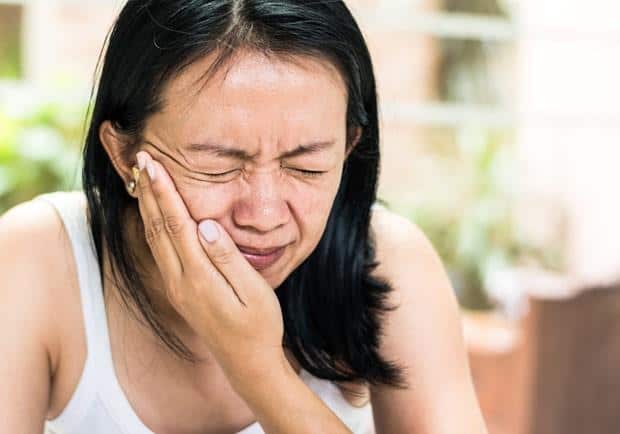
The Temporomandibular Joint (TMJ) connects the lower jaw to the skull and is responsible for supporting the opening and closing of the mouth as well as the lateral movements of the lower jaw. You can try placing your fingers in front of both ears — you will feel the joint move when you open your mouth. In Hong Kong in 2026, increased life stress has made teeth clenching and grinding increasingly common, leading to the development of Temporomandibular Joint Disorder (TMD). This condition frequently causes severe pain, joint clicking, and even difficulty opening the mouth, significantly affecting daily life.
1. Causes of Temporomandibular Joint Disorder: Why Does It Happen?
While many cases have no clearly identified cause, common triggering factors include:
-
Traumatic factors: Physical injury leading to dislocation, damage, or structural changes to the joint.
-
Bite problems: Improper occlusion causing dysfunction in the chewing muscles, resulting in imbalanced jaw movement.
-
Stress and behavioural habits: Stress can trigger periodic flare-ups, while related behaviours such as teeth clenching (Clenching) or nocturnal teeth grinding (Bruxism) can significantly worsen symptoms.
-
Gender differences: The condition is more prevalent in women, though the exact reasons remain inconclusive.
2. Typical Symptoms: Do You Have Temporomandibular Joint Disorder?
When dysfunction occurs in the joint or surrounding muscles, one or more of the following symptoms may appear:
-
Severe pain: Jaw pain on one or both sides of the face, particularly more pronounced in the morning and early evening.
-
Restricted movement: Pain when chewing, biting, or yawning, and even difficulty opening or closing the mouth.
-
Joint clicking: A clicking or popping sound from the joint when opening or closing the mouth.
-
Associated symptoms: Accompanying chronic muscle pain and spasms, which may even give rise to headaches or neck pain.
3. Common Treatment Options and Recommendations in Hong Kong in 2026
Many patients can experience improvement through simple lifestyle adjustments; for more severe cases, professional dental treatment should be sought:
1. Lifestyle Adjustments (Conservative Treatment)
-
Diet and habits: Eat soft, easy-to-chew foods and avoid chewing gum, biting nails, or opening the mouth excessively wide.
-
Pain relief: Apply heat packs to relieve muscle fatigue, or use non-aspirin pain relievers as advised by a doctor.
-
Relaxation techniques: Practise stress-reduction and relaxation techniques to reduce the frequency of teeth clenching.
2. Professional Medical Intervention
-
Appliance therapy: Wearing a custom-made night guard or occlusal splint (Splint) fabricated by a dentist can balance bite pressure and protect teeth from wear.
-
Physiotherapy: Performing specific jaw muscle strengthening exercises to restore muscular balance.
-
Medication and surgery: Severe cases may require medication or even advanced surgical procedures such as temporomandibular joint arthrocentesis.
4. Reference Fees for TMJ Treatment in Hong Kong in 2026
| Treatment | Reference Fee (HKD) | Purpose |
| Clinical Examination and X-ray Diagnosis | HK$800 – HK$1,500 | Assessment of the extent of joint damage |
| Custom-made Occlusal Splint (Night Guard) | HK$3,500 – HK$6,500 | Relief of bruxism and muscle tension |
| Physiotherapy (per session) | HK$800 – HK$1,200 | Strengthening jaw muscle function |
| Arthrocentesis (Surgical) | HK$15,000+ | For severe inflammation and restricted joint mobility |
Part 3: Frequently Asked Questions (FAQ)
-
Q1: If my jaw clicks when I open my mouth, does it always need to be treated?
-
A: If there is only a clicking sound without any pain or functional limitation (such as being unable to open the mouth fully), it is generally advisable to monitor the situation and adjust lifestyle habits first. However, if the clicking is accompanied by pain, you should consult a dentist for an examination as soon as possible.
-
-
Q2: What is the difference between an over-the-counter night guard and a custom-made occlusal splint?
-
A: Standard over-the-counter night guards typically only protect teeth from wear. In contrast, a dentist-fabricated custom occlusal splint can precisely adjust the occlusal plane and guide the lower jaw back to the correct position, making it significantly more effective in treating Temporomandibular Joint Disorder.
-
-
Q3: Can Elderly Health Care Vouchers be used for TMJ treatment in Hong Kong in 2026?
-
A: Most treatments provided by private dentists, including examinations and custom occlusal splint fabrication, accept Elderly Health Care Vouchers. It is recommended that you enquire with the clinic about the specific items covered when booking your appointment.
-
※ Actual fees depend on case difficulty.
Found this useful? Pass it on
One tap to send it to family or friends on WhatsApp.
Related Questions
If my child's gums bleed after scaling, does that mean the dentist was too rough?
Mild discomfort or gum bleeding in the days following scaling is normal. This is typically caused by mild gum inflammation triggered by pre-existing p...
Read related articleWhen buying a toothbrush in Hong Kong in 2026, does a more expensive brand necessarily mean better quality?
Not necessarily. As Professor Chu points out, brush head shape and handle design come down to personal preference. As long as the bristles are soft an...
Read related articleWhy should I not brush my teeth immediately after an acid reflux episode?
Stomach acid temporarily softens the tooth enamel. If you brush immediately, the physical friction of the toothbrush will directly abrade the weakened...
Read related articleAre cold sores contagious?
Yes, from the first tingle until they have fully healed. They spread by kissing and shared items.
Read related articleDoes more toothpaste clean better?
No. Hong Kong's Department of Health advises adults to brush every morning and night with a pea-sized amount of fluoride toothpaste (Department of Hea...
Read related article