2026 Complete Guide to Children's Dental Cleaning: What Age to Start? Expert Advice on Cavity Prevention and Baby Tooth Care
Written and reviewed by the HK Dental Guide editorial team · Updated 12 Oct 2026 · 7 min read
On this page(4)
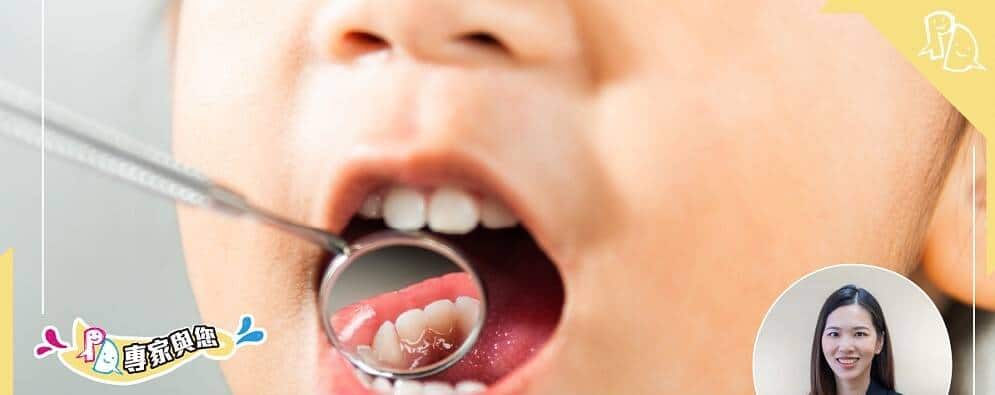
In addition to daily oral hygiene routines, regular professional scaling can further clean children's teeth and maintain good oral health. Many children have experienced scaling during school dental health programmes, yet some parents remain concerned that their child may be too young for the procedure. The usual advice is a first dental check-up after the first baby tooth appears or before the first birthday, followed by regular reviews as your dentist advises (see how to choose a children's dentist: the first visit and questions to ask). Children's scaling is not merely about aesthetics — it is essential for removing plaque that cannot be brushed away, ensuring that primary teeth remain healthy and guide the proper eruption of permanent teeth.
1. The Purpose of Children's Scaling: Eliminating Threats Invisible to the Naked Eye
Scaling helps remove plaque, tartar, and stains that adhere to the surface of children's teeth.
-
Prevention of oral disease: Smoothing and cleaning the tooth surface effectively prevents periodontal disease and other oral conditions.
-
Deep cleaning: Removes plaque from hard-to-reach areas that parents cannot clean at home, preventing plaque from calcifying into tartar.
2. Children vs. Adults: Key Differences in Dental Scaling
There are significant differences in the focus and methods of scaling between children and adults:
-
Adult scaling: Focuses on removing tartar accumulated in the gingival sulcus. Adults have deeper gingival sulci where hardened deposits can build up more easily; how often to have check-ups and scaling should be set by the dentist according to risk, and UK NICE guidance puts adult review intervals at 3 to 24 months6.
-
Children's scaling: Since primary teeth have shallower gingival sulci with insufficient space for significant tartar build-up, the focus is on removing thick, hardened plaque. If a child's oral hygiene is inadequate, plaque can become thick and hardened over time, making it impossible to remove with a toothbrush alone.
3. Primary Teeth Will Fall Out Eventually — Is Tooth Decay Really Not a Concern?
This is an extremely mistaken belief!
-
Long lifespan: Singapore's Health Promotion Board says the front teeth are usually replaced first at around 6 to 7, and all baby teeth should have fallen out by the time a child turns 128 — so some back baby teeth stay in use for more than ten years.
-
Impact on permanent teeth: Severe tooth decay in primary teeth, if infection spreads to the root apex, can affect the development of the underlying permanent tooth bud.
-
Chewing and speech: Loss of primary teeth can affect nutritional intake and the clarity of speech and pronunciation.
4. 2026 Parent Action Checklist for Preventing Tooth Decay in Children
Tooth decay in children commonly stems from inadequate cleaning, frequent snacking, or the habit of night feeding. Parents should take action in the following three areas:
1. Use Fluoride Toothpaste Correctly
Fluoride is key to preventing tooth decay, but attention must be paid to the amount used:
-
Under 3 years old: Use an amount approximately the size of a grain of rice (a thin smear); the UK NHS advises only a tiny smear for children up to 35.
-
3 years and above: Use an amount approximately the size of a pea (the Department of Health advises a pea-sized amount of fluoride children's toothpaste for ages 2–64; the NHS advises a pea-sized amount for ages 3–65).
2. Supervised Brushing
Children's hand dexterity is limited, making it difficult for them to clean their teeth thoroughly.
-
Under 6 years old: After the child brushes independently, parents must brush again to ensure thorough cleaning (the Department of Health advises parents to brush for children aged 2–6 every morning and night4; the NHS suggests helping until at least age 75).
-
Primary school age: Parents should still check brushing effectiveness daily to ensure no back molars are missed.
3. Adjust Diet and Sleep Habits
-
Brush morning and night: Evening brushing should never be skipped, even when rushed or when the child is tired.
-
Stop night feeding: Falling asleep immediately after drinking milk leaves teeth soaking in milk for prolonged periods, making it very easy to develop "baby bottle tooth decay" (nursing caries).
Part 3: Frequently Asked Questions (FAQ)
-
Q1: If my child's gums bleed after scaling, does that mean the dentist was too rough?
-
A: Mild discomfort or gum bleeding in the days following scaling is normal. This is typically caused by mild gum inflammation triggered by pre-existing plaque. As long as good oral hygiene is maintained, these symptoms will resolve within a week.
-
-
Q2: How much does children's scaling cost in Hong Kong in 2026?
-
A: There is no standard published fee for children's scaling at private clinics, and most clinics do not publish price lists — ask the clinic for a written quote (scaling usually includes an examination and polishing; some clinics offer packages). Published reference points: the Department of Health School Dental Care Service (Primary 1–6) costs HK$45 per school year and covers scaling, fillings, extractions and oral health education1,2; the Youth Oral Health Co-management Pilot (ages 13–17) has a government-suggested co-payment of HK$2003; published adult scaling prices at private clinics are about HK$500–700 (see our scaling fee benchmark).
-
-
Q3: When should I bring my child for their first dental scaling?
-
A: It is generally recommended that children have their first dental check-up when their first tooth erupts or on their first birthday. The appropriate timing for actual scaling should be determined by the dentist based on the extent of plaque accumulation.
-
Readers also ask: children's dental scaling (updated September 2026)
Q: At what age can a child have their teeth scaled?
There is no fixed age. The Department of Health School Dental Care Service provides scaling from Primary 12; for pre-school children, the dentist decides at the check-up based on plaque and tartar. For the recommended age of the first dental visit, see how to choose a children's dentist.
Q: Does the School Dental Care Service include scaling, and what does it cost?
Yes. It serves Primary 1–6 students, who enrol through their school; the service covers scaling, fillings, extractions and oral health education, but not orthodontics2. Eligible students pay HK$45 per school year; non-eligible persons pay HK$9701.
Q: Is there any government-subsidised scaling for secondary school students?
Young people aged 13–17 can look at the Youth Oral Health Co-management Pilot: participating private dentists provide an oral examination, risk assessment, scaling and care advice, with a government-suggested co-payment of HK$2003. Other schemes are listed on our dental subsidies page.
Q: Does scaling damage a child's enamel?
Scaling removes plaque, tartar and stains; it does not grind the tooth. The Department of Health lists regular check-ups and scaling as a basic step in preventing oral disease2. Mild sensitivity or slight gum bleeding for a few days afterwards is usually due to pre-existing gum inflammation; see the dentist again if it lasts more than a week.
Q: Do decayed baby teeth need fillings?
A dentist should assess them. Decay in baby teeth can affect the developing permanent tooth underneath, chewing and speech — see what to do about baby tooth decay and the four stages of tooth decay and their treatment.
Q: How often should a child see the dentist or have scaling?
There is no fixed interval; the dentist should set it according to decay risk. UK NICE guidance says the interval between oral health reviews for under-18s should be at least 3 months and no more than 12 months6; the NHS also advises regular check-ups as the dentist recommends7. Scaling is not needed at every visit — it depends on plaque and tartar.
Q: Does my child need fluoride varnish?
Fluoride varnish is a high-fluoride coating painted onto the tooth surface. The UK NHS says children should be offered it at least twice a year from age 3, and some children may need it more often7; ask your dentist at the check-up whether and how often your child needs it. For toothpaste amounts see above, and for choosing a toothpaste see how to read toothpaste ingredients.
Q: What are fissure sealants and at what age are they done?
Fissure sealants are a thin plastic coating on the chewing surfaces of the back teeth that keeps germs and food out of the grooves. The NHS says they are usually applied once the permanent back teeth start to come through (at about 6 or 7), and again when the rest come through between 11 and 147.
Sources
- Department of Health: School Dental Care Service fees (checked 26 Sep 2026)
- Department of Health, Oral Health Education Unit: FAQ — School Dental Care Service (checked 26 Sep 2026)
- Department of Health: Youth Oral Health Co-management Pilot (checked 26 Sep 2026)
- Department of Health, Oral Health Education Unit: Parent-child oral care — brushing for children aged 2–6 (checked 26 Sep 2026)
- NHS (UK): Looking after your baby's teeth (checked 26 Sep 2026)
- UK NICE: Dental checks: intervals between oral health reviews (CG19) (checked 12 Oct 2026)
- NHS (UK): Children's teeth (fluoride varnish, fissure sealants; checked 12 Oct 2026)
- Singapore Ministry of Health HealthHub (Health Promotion Board): When do baby teeth start falling out (checked 12 Oct 2026)
Found this useful? Pass it on
One tap to send it to family or friends on WhatsApp.
Related Questions
What should we do if my child is in so much pain during orthodontic treatment that they don't want to eat?
It is normal to experience mild soreness shortly after braces are fitted or adjusted. Parents should prepare soft, nutritious foods (such as fish or t...
Read related articlePrimary teeth will fall out eventually anyway — does a cavity really need to be filled?
This is the most common misconception. 黎曉芳醫生 emphasises that primary teeth are not only essential for chewing and speech — they also act as "guides" f...
Read related articleIs it normal for a child to start losing teeth at age 5?
Many parents wonder whether losing teeth at age 5 is normal. In fact, the age at which children lose their primary teeth varies from child to child. T...
Read related articleAt what age should a child first see a dentist?
HKU's Faculty of Dentistry, citing the American Academy of Pediatric Dentistry, says within six months of the first tooth and by about age one at the...
Read related article