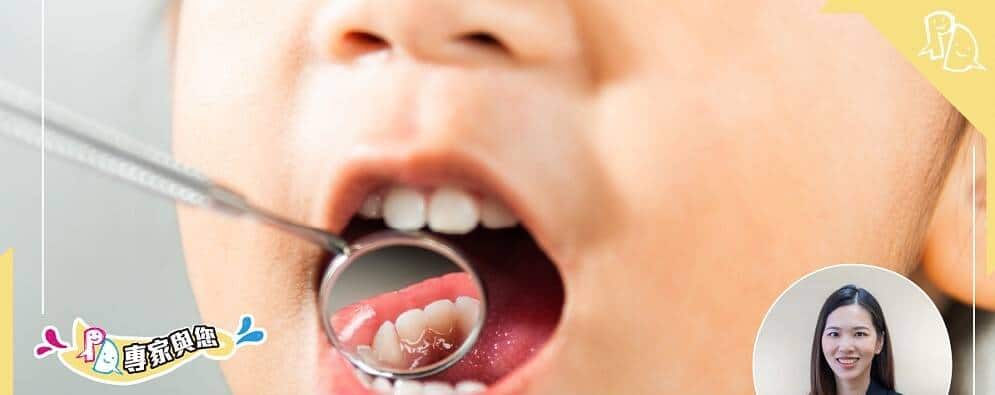
【Complete Guide to Children's Dentistry】What to Do About Baby Tooth Decay? Dr. 黎曉芳 (Dr. Sarah Lai) Explains Causes, Prevention & Treatment (With Parent FAQ)
Written and reviewed by the HK Dental Guide editorial team · Updated 25 Sept 2026 · 8 min read
Dental Decay in Children: Causes, Prevention and Treatment
This video is an excerpt cited from Home Dental's public YouTube educational videos; reviewed by the HK Dental Guide editorial team.
Overcoming Dental Anxiety in Children (Part 1)
This video is an excerpt cited from Home Dental's public YouTube educational videos; reviewed by the HK Dental Guide editorial team.
▸ Watch the other 1 episode
Overcoming Dental Anxiety in Children (Part 2)
This video is an excerpt cited from Home Dental's public YouTube educational videos; reviewed by the HK Dental Guide editorial team.
On this page(9)
1. Introduction: Don't Let Hidden Sugar Traps Ruin Your Child's Smile
In Hong Kong, childhood tooth decay rates remain persistently high. Many parents are shocked when they bring their children to the clinic only to discover their child has extensive cavities — yet they cannot understand why. "I never let him eat sweets — how did this happen?" is the question heard most often in the clinic.
Paediatric Dentistry Specialist Dr. Sarah Lai (黎曉芳醫生) points out that many parents assume sweets are the sole culprit, when in fact "frequent snacking" is the real enemy. When the mouth remains in an acidic state for prolonged periods, teeth have no opportunity to self-repair. Primary teeth have thinner enamel than permanent teeth, meaning once decay begins, it spreads very rapidly.
In this article, Dr. Lai guides parents through an in-depth look at the causes of childhood tooth decay, the latest treatment technologies, and how "behaviour management" techniques can help children overcome their fear of the dentist.
2. Meet Paediatric Dentistry Specialist 黎曉芳醫生 (Dr. Sarah Lai)
When choosing a dentist, many parents ask: "Why see a specialist?"
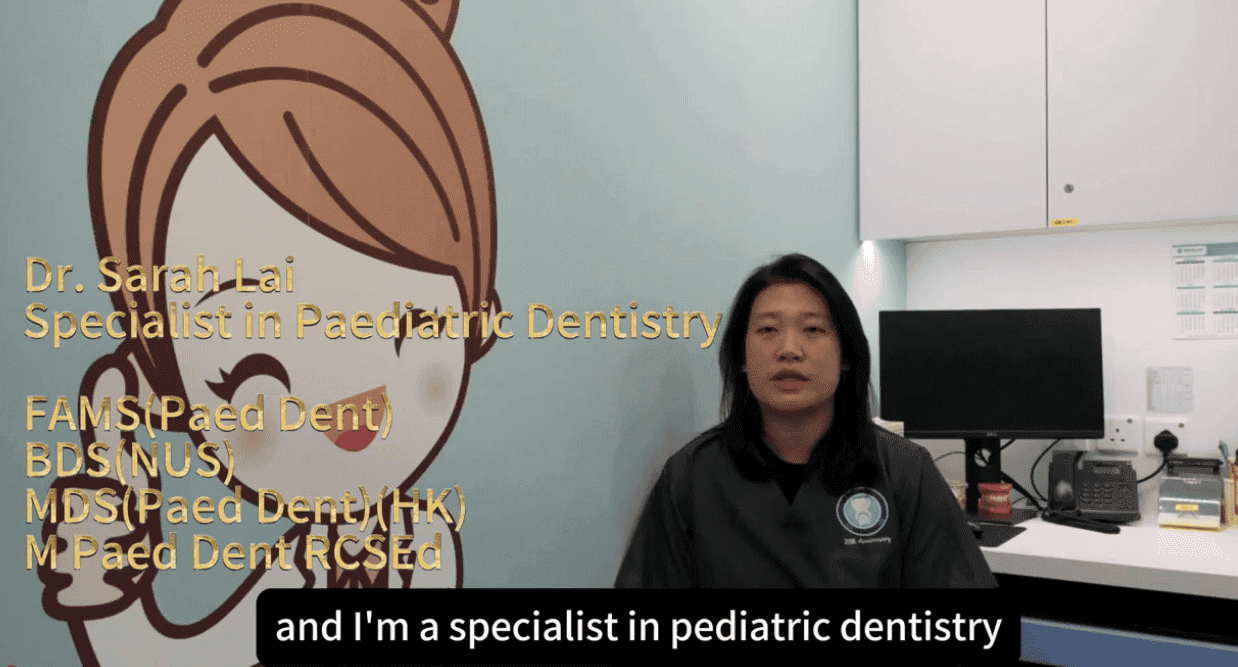
黎曉芳醫生 (Dr. Sarah Lai) is a specialist in paediatric dentistry. Beyond her general dental knowledge, she has undergone many years of specialist training dedicated to the study of children's growth and development, child psychology, and special care needs.
Dr. Lai's treatment philosophy goes beyond simply "fixing teeth" — she places equal emphasis on holistic care for both body and mind. She and her team excel in the use of **"Behaviour Management"** techniques, building trust with young patients through gentle, positive communication. In her clinic, visiting the dentist is no longer a cold, instrument-driven procedure, but a respectful and interactive experience.
3. A Deep Dive: The Three Hidden Causes of Childhood Tooth Decay
[Image suggestion: Please insert an image related to the causes of tooth decay (Candy & Caries) / Image of sugary food concept here]
Beyond obvious sweets, parents need to be especially wary of the following "hidden hazards":
-
Hidden Sugars and Sticky Foods: Many foods that parents consider healthy actually pose a real threat to teeth. These include fruit juices, yoghurt drinks, and dried fruits, as well as starchy snacks (such as biscuits and crisps). These foods are highly adhesive and cling stubbornly deep within the gaps between teeth, making them even harder to clean than hard sweets. Bacteria break down these residues to produce acids that directly erode the teeth.
-
Night Feeds and Falling Asleep While Nursing: This is the most common cause of tooth decay in infants and toddlers. Falling asleep with a bottle, or failing to clean the teeth after a night feed, leaves teeth soaking in lactose for hours. This leads to severe **"Nursing Bottle Caries"**, which typically causes extensive decay, darkening, or even fracture of the upper front teeth.
-
Vertical Transmission of Bacteria: This point is frequently overlooked. The bacteria that cause tooth decay (Streptococcus mutans) are contagious. If a parent or caregiver has poor oral hygiene, they can transmit these bacteria to young children — whose immune systems are not yet fully developed — through shared utensils, blowing on food to cool it, or kissing. This significantly increases the child's risk of developing cavities later in life.
4. Conquering Fear: How Specialists Handle Children Who Won't Cooperate
Many parents are reluctant to bring their children to the dentist for fear of tears and struggling. 黎曉芳醫生 (Dr. Sarah Lai) emphasises that forcing treatment on a child — such as physically restraining them — can cause lasting psychological harm, resulting in dental phobia in adulthood.
The specialist team typically employs the following strategies:
-
Tell-Show-Do: Before performing any procedure, the dentist first explains what will happen in language the child can understand (Tell), then demonstrates on a model or a finger (Show), and only then carries out the actual procedure (Do). For example, a dental drill might be described as "a little bee that helps wash your teeth."
-
Positive Reinforcement: Every cooperative action from the child is met with specific praise or a small reward, helping to build confidence and encourage continued cooperation.
-
Sedation and Relaxation Therapy: For children who are extremely anxious, very young, or require treatment for multiple cavities, Dr. Lai will assess whether Monitored Anaesthesia Care (MAC) or another form of sedation is appropriate. This allows the child to complete complex treatment safely in a single visit, in a near-sleep state free from fear.
5. Treatment: What Does a Specialist Do When Cavities Are Found?
Depending on the severity of the decay, 黎曉芳醫生 (Dr. Sarah Lai) will develop a personalised treatment plan with the goal of "preserving the primary tooth until it falls out naturally":
-
Early Stage (White Spot / Demineralisation): At this point, no cavity has yet formed. By applying high-concentration Fluoride Varnish and improving oral hygiene practices, there is a chance to remineralise the enamel and reverse the decay process — no drilling required.
-
Moderate Stage (Dentinal Decay): Once bacteria have penetrated the dentine, the dentist must remove the decayed tissue. For children, Glass Ionomer or composite resin is commonly used for the dental filling, as these materials release fluoride and help reduce the risk of secondary decay.
-
Severe Stage (Nerve Involvement — Pulp Therapy): If the decay has progressed deep enough to cause pain or a dental abscess, a Pulpotomy will be required. This differs from the root canal treatment performed on adults — it is generally simpler and faster.
-
Key Concept: After pulp therapy, the tooth structure becomes more brittle. The standard approach is to fit a **"Stainless Steel Crown"** — like placing a "safety helmet" on the tooth to protect it until it naturally falls out during the transition to permanent teeth. This is the most effective method for maintaining chewing function and preventing the tooth from fracturing.
-

6. Parent FAQ: Dr. Sarah Lai Answers Your Most Common Questions
Q1: Primary teeth will fall out eventually anyway — does a cavity really need to be filled? A: This is the most common misconception. 黎曉芳醫生 emphasises that primary teeth are not only essential for chewing and speech — they also act as "guides" for the permanent teeth. If a primary tooth falls out prematurely due to severe decay, neighbouring teeth will shift into the gap, leaving insufficient space for the incoming permanent tooth, which results in crowding (requiring orthodontic treatment). Furthermore, the bacteria from a severe primary tooth infection (dental abscess) can spread downward and directly damage the developing permanent tooth bud beneath it, causing the permanent tooth to emerge discoloured or malformed before it has even erupted.
Q2: At what age should children start using fluoride toothpaste? A: According to the latest international guidelines, fluoride toothpaste should be used from the moment the first primary tooth erupts (at approximately 6 months of age).
-
Under 3 years old: Use a "rice grain"-sized amount (approximately 1000ppm fluoride).
-
3 years and above: Use a "pea"-sized amount. Fluoride is the most powerful shield for strengthening enamel and protecting teeth against acid attack.
Q3: What are Fissure Sealants? A: Fissure sealants represent the gold standard of prevention. Children's molar surfaces have many fine, deep grooves (fissures) that toothbrush bristles simply cannot reach. The dentist flows a protective coating into these grooves to seal them, leaving no hiding place for food debris — significantly reducing the risk of tooth decay.
7. For Parents: 2026 Paediatric Dental Fee Reference Guide
Many parents would like to understand the approximate costs before making an appointment. However, 黎曉芳醫生 stresses that paediatric dental fees are not "one-size-fits-all" — the actual cost is influenced by the child's level of cooperation, the depth of the decay, and the qualifications of the treating dentist (specialist vs. general dental practitioner).
The following provides a reference fee range for 2026 to help parents plan their budget. Please note that final pricing is subject to in-clinic assessment:
📋 Three Key Factors That Affect Fees
-
Dentist Qualifications: Fees charged by paediatric dental specialists are generally higher than those of general dental practitioners, as specialists hold advanced qualifications for managing complex behavioural and oral conditions.
-
Case Complexity: For example, whether the cavity is close to the nerve, or whether the child requires additional time for behaviour management.
-
Treatment Plan: The cost of a straightforward dental filling differs significantly from treatment that involves a crown or pulp therapy.
💰 Fee Reference for Common Procedures
(The following prices are for reference only. Actual fees vary depending on the clinic and the level of the treating dentist.)
-
Specialist Consultation: Typically includes a comprehensive full-mouth examination and treatment planning. Specialist fees generally start from approximately HK$600 ; consultation fees for practitioners holding a Master's degree or for general dental practitioners will be adjusted accordingly. (X-ray fees, if required, are charged separately.)
-
Preventive Treatment:
-
Children's Fluoride Treatment: Approximately HK$500 – HK$600 .
-
Fissure Sealant: Approximately HK$600 – HK$650 per tooth .
-
-
Restorative Treatment:
-
Children's Dental Filling: Wide-ranging fees of approximately HK$800 – HK$1,500 per tooth , depending on the extent of the cavity and the complexity of the restoration.
-
Children's Tooth Extraction: Approximately HK$800 – HK$1,200 per tooth (simple extraction).
-
-
Complex Care: If the decay has reached the nerve, preserving the primary tooth may require a Pulpotomy or the placement of a Stainless Steel Crown . Fees for this type of complex treatment typically start at around HK$3,500 per item, subject to clinical circumstances.
💡 Please Note: To protect your rights as a patient, a detailed cost estimate will always be provided before any treatment begins. Treatment will only proceed once the parent has given their consent.
8. Closing Remarks and Appointment Information
Protecting your child's smile requires the combined efforts of parents and a professional dental team. 黎曉芳醫生 (Dr. Sarah Lai) and her team are committed to providing Hong Kong's children with the highest standard of comfortable, caring dental treatment.
Would you like to learn more about Dr. Lai's treatment philosophy, clinic environment, or fee details?
HK Dental Guide is dedicated to connecting you with the most suitable dental resources. You can visit the link below to view Dr. Sarah Lai's full profile and learn more about how her team helps children overcome their fear of the dentist.
(Compiled and reported by the HK Dental Guide editorial team)
How to check a paediatric dentistry specialist yourself (neutral sources)
Found this useful? Pass it on
One tap to send it to family or friends on WhatsApp.
Related Questions
If my child's gums bleed after scaling, does that mean the dentist was too rough?
Mild discomfort or gum bleeding in the days following scaling is normal. This is typically caused by mild gum inflammation triggered by pre-existing p...
Read related articleWhat should we do if my child is in so much pain during orthodontic treatment that they don't want to eat?
It is normal to experience mild soreness shortly after braces are fitted or adjusted. Parents should prepare soft, nutritious foods (such as fish or t...
Read related articleIs it normal for a child to start losing teeth at age 5?
Many parents wonder whether losing teeth at age 5 is normal. In fact, the age at which children lose their primary teeth varies from child to child. T...
Read related articleAt what age should a child first see a dentist?
HKU's Faculty of Dentistry, citing the American Academy of Pediatric Dentistry, says within six months of the first tooth and by about age one at the...
Read related article