Children's Dentistry Guide: 2026 Costs and Essential Care Tips for Parents
Written and reviewed by the HK Dental Guide editorial team · Figures checked 26 Sep 2026 · 6 min read
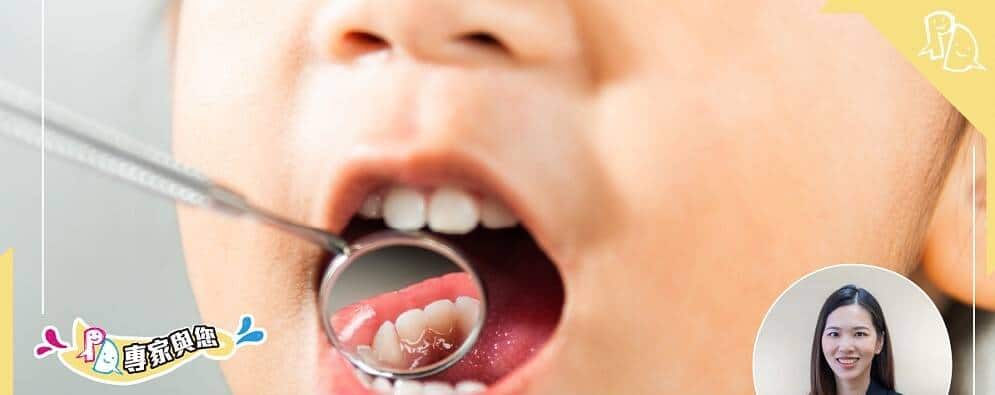
Children's Oral Care Q&A: Brushing Baby Teeth
This video is an excerpt cited from Home Dental's public YouTube educational videos; reviewed by the HK Dental Guide editorial team.
On this page(5)
2026 Hong Kong Paediatric Dental Fees Reference
When bringing children to the dentist, parents are most concerned about budgeting. Below is a reference guide for common paediatric dental procedures at private clinics in Hong Kong in 2026 (Note: specialist and complex cases usually cost more — see the fees overview; always rely on the clinic's written quote):| Common Treatment | 2026 Reference Fee (HKD) | Purpose |
|---|---|---|
| Children's Initial Consultation & Oral Examination | $500 - $1,200 | Assessment of growth and development, occlusion, and tooth decay risk |
| Fissure Sealant | $400 - $800 / per tooth | Prevention of decay on the biting surfaces of molars (strongly recommended) |
| Children's Dental Filling (Primary Teeth) | $600 - $1,500 / per tooth | Preventing decay from progressing to the dental pulp |
| Primary Tooth Root Canal Treatment (Pulpotomy) | $2,000 - $5,000 / per tooth | Preserving severely decayed primary teeth to maintain space for permanent tooth eruption |
(Note: the table shows general private-clinic ranges for budgeting only; clinics vary widely. The item with a published benchmark is a composite filling: about $600–1,500 at private clinics (fees overview, checked 2026-09-26). Check-ups, fissure sealants and pulp treatment of baby teeth have no single published price list, so ask for an itemised written quote before treatment — see how to read a dental quote.)
Key Daily Care Considerations in Paediatric Dentistry
1. Choosing the Right Children's Toothpaste
There is a wide variety of children's toothpastes available on the market. According to dental guidelines, the primary consideration should be the fluoride concentration. An appropriate level of fluoride effectively strengthens tooth enamel:- Under 3 years old: Use a "grain of rice" amount of fluoride toothpaste (no less than 1,000ppm fluoride, per the NHS).
- 3 to 6 years old: The amount can be increased to a "pea-sized" portion (Hong Kong's Department of Health suggests a green-pea-sized amount (Chinese) of fluoride children's toothpaste once a child can spit).
2. Managing the Transition from Primary to Permanent Teeth
The transition from primary to permanent teeth is an inevitable stage of childhood development, typically beginning around age 6 and completing between ages 12 and 13. During this "mixed dentition" period, cleaning the teeth becomes significantly more challenging, as food debris tends to accumulate in the gaps. Regular scaling and cleaning can help remove plaque and tartar that is difficult to reach through brushing alone.Frequently Asked Questions (FAQ)
Q1: Is it normal for a child to start losing teeth at age 5?
Many parents wonder whether losing teeth at age 5 is normal. In fact, the age at which children lose their primary teeth varies from child to child. The average age is around 6 years, but it is generally considered medically normal for tooth loss to begin as early as age 5 or as late as age 7. If your child has a loose tooth at age 5, there is no need to panic — however, you should consult a dentist to confirm the position of the developing permanent tooth. If a tooth is lost prematurely due to trauma or severe decay, a "space maintainer" may be required to preserve the space for the incoming permanent tooth.Q2: Since primary teeth will eventually fall out, is it necessary to treat cavities in them?
This is a serious misconception. If a primary tooth develops severe decay that leads to a bacterial infection of the dental pulp, it can directly affect the underlying permanent tooth bud, potentially resulting in malformation or failure of the permanent tooth to erupt. In serious cases, a paediatric root canal treatment may be necessary to preserve the primary tooth, maintain chewing function, and protect the space for the permanent tooth.Q3: When should I bring my child for their first dental check-up?
According to the University of Hong Kong's Faculty of Dentistry, citing the recommendations of the American Academy of Pediatric Dentistry (Chinese), a child's first oral examination should take place after the eruption of their first tooth (at approximately 6 months of age), or no later than their first birthday — establishing the concept of a "Dental Home" for preventive care.Q4: What is the difference between a children's dentist and a paediatric dentistry specialist?
Any registered dentist can treat children. Paediatric Dentistry is one of the eight specialties on the Dental Council of Hong Kong's Specialist Register; as at 31 August 2026 the list named 44 paediatric dentistry specialists, with practice addresses (Dental Council: Paediatric Dentistry specialist list). To check a particular dentist, search the registers by name; see how to verify a dentist and how to choose a children's dentist.
Q5: My child's teeth are crooked. Should we see a paediatric dentist or an orthodontist?
Braces fall under Orthodontics, a separate specialty from Paediatric Dentistry; both lists are on the Dental Council's Specialist Register. The American Association of Orthodontists recommends a first orthodontic check-up by age 7, but not every early visit leads to treatment (AAO: Why age 7). For timing and underbites, see children's braces: what age to start; for choosing, see how to choose an orthodontist.
Q6: Which toothpaste should children use while their baby teeth are being replaced?
What matters is the fluoride level and the amount, not the brand. The NHS advises children aged 3 to 6 to use a children's toothpaste with 1,000–1,500ppm fluoride, pea-sized; under-3s should use no less than 1,000ppm, just a smear (NHS: Children's teeth). Hong Kong's Department of Health suggests a green-pea-sized amount of fluoride children's toothpaste once a child can spit, with a parent re-brushing every night (Department of Health: brushing for ages 2–6, Chinese). For ingredients, see how to choose toothpaste.
How to Choose the Right Paediatric Dentist
When selecting paediatric dental services in Hong Kong, parents should prioritise quality of care and patient safety:- Facilities and Environment: Does the clinic have a treatment room specifically designed for children? If procedures involving nitrous oxide or sedation anaesthesia are offered, does the clinic hold a compliant "Day Procedure Centre" licence?
- Behaviour Management Techniques: A skilled paediatric dentist employs psychological approaches such as "Tell-Show-Do" to significantly reduce dental anxiety in children.
- Sterilisation Standards: The clinic must strictly enforce infection control protocols, ensuring all dental instruments are sterilised using high-temperature, high-pressure autoclaving to the highest standards.
Sources
- Dental Council of Hong Kong: General and Specialist Registers; Paediatric Dentistry specialist list (as at 2026-08-31, 44 dentists; checked 2026-10-16)
- HKU Faculty of Dentistry column (healthyD): Preparing a child for the dentist and the first oral check (Chinese; cites the American Academy of Pediatric Dentistry: first check within six months of the first tooth, by about age one)
- Department of Health, Oral Health Education Unit: Brushing for children aged 2–6 (Chinese; checked 2026-10-16)
- NHS: Children's teeth (toothpaste fluoride level and amount; checked 2026-10-16)
- American Association of Orthodontists: Why age 7 (checked 2026-10-16)
- Hong Kong Dental Guide: Dental fees overview — fillings (checked 2026-09-26)
※ Actual fees depend on case difficulty.
Found this useful? Pass it on
One tap to send it to family or friends on WhatsApp.
Related Questions
If my child's gums bleed after scaling, does that mean the dentist was too rough?
Mild discomfort or gum bleeding in the days following scaling is normal. This is typically caused by mild gum inflammation triggered by pre-existing p...
Read related articleWhat should we do if my child is in so much pain during orthodontic treatment that they don't want to eat?
It is normal to experience mild soreness shortly after braces are fitted or adjusted. Parents should prepare soft, nutritious foods (such as fish or t...
Read related articlePrimary teeth will fall out eventually anyway — does a cavity really need to be filled?
This is the most common misconception. 黎曉芳醫生 emphasises that primary teeth are not only essential for chewing and speech — they also act as "guides" f...
Read related articleAt what age should a child first see a dentist?
HKU's Faculty of Dentistry, citing the American Academy of Pediatric Dentistry, says within six months of the first tooth and by about age one at the...
Read related article