2026 Hong Kong Complete Toothbrush Selection Guide: Manual or Electric — Which Is Better? Professor Chu Chun-hung Teaches You How to Choose the Right Brush Head by Age
Written and reviewed by the HK Dental Guide editorial team · Updated 6 Oct 2026 · 8 min read
On this page(6)
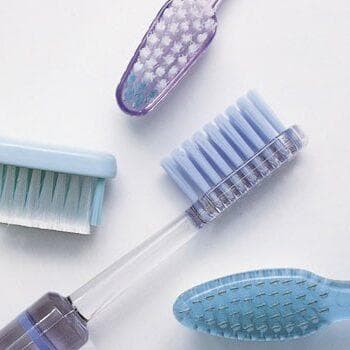
With so many toothbrushes available on the market — square or diamond-shaped brush heads, flat or wavy bristles, and handles that are straight, angled, or flexible — how do you choose the right one? In Hong Kong in 2026, proper oral care has become a cornerstone of overall health. Professor Chu Chun-hung, Associate Dean of the HKU Faculty of Dentistry, notes that toothbrushes of any design can clean effectively — the key is choosing soft bristles and a brush head size appropriate for your age.
1. Choose by Age: Brush Head Size Reference Guide
Professor Chu recommends adjusting brush head size as children grow older. Parents can use the following Hong Kong coin comparison as a reference when selecting a toothbrush for their child:
| Age Group | Brush Head Size Reference (Approximate Diameter) | Corresponding Hong Kong Coin |
| 0 to 2 years | Approx. 15mm | Size of a 10-cent coin |
| 2 to 6 years | Approx. 19mm | Size of a 20-cent coin |
| 6 to 12 years | Approx. 22mm | Size of a 50-cent coin |
| 12 years and above | Approx. 25mm | Size of a HK$1 coin |
(Brush-head sizes and coin comparisons are from Professor Chu Chun-hung of the HKU Faculty of Dentistry, in his am730 column "How to choose a toothbrush" (2020, Chinese). The Department of Health and the Consumer Council also use a HK$1 coin as the reference size for an adult brush head.)
Important reminder: Regardless of which toothbrush you choose, bristles must be soft to avoid damaging tooth enamel and gums.
2. Manual vs. Electric Toothbrush: Technique Is What Matters
Many people hold the misconception that electric toothbrushes are always superior to manual ones. Professor Chu emphasises that both can clean effectively — what truly matters is brushing technique:
-
Electric toothbrush: The high rotation speed makes it suitable for people with limited hand mobility. However, improper use — such as applying excessive pressure — may damage teeth and gums. The technique differs from that of a manual toothbrush, so it is advisable to consult a dentist first.
-
Manual toothbrush: When the correct Bass brushing technique is properly applied, a manual toothbrush can achieve equally excellent cleaning results.
3. Specialised Tools: Single-Tufted Brushes and Interdental Brushes
A standard toothbrush cannot reach every corner of the mouth. In these cases, supplementary tools are needed:
-
Single-tufted brush: With an extremely small brush head, this tool is particularly useful for cleaning hard-to-reach areas such as misaligned teeth or wisdom teeth at the very back of the mouth.
-
Interdental brush:
-
Patients with periodontal disease: Gum recession creates wider gaps between tooth roots, and interdental brushes can effectively clean these proximal surfaces.
-
Orthodontic patients: For those wearing fixed braces, interdental brushes can effectively replace dental floss in cleaning the gaps around the metal wires.
-
4. 2026 Toothbrush Care and Replacement Recommendations
Proper toothbrush care helps prevent bacterial growth:
-
Rinse thoroughly: After each use, rinse the toothbrush clean, removing all saliva, plaque, toothpaste, and food debris.
-
Store correctly: Keep the brush head facing upright in a well-ventilated area to allow it to dry. Avoid contact with other toothbrushes to prevent cross-contamination.
-
When to replace: Replace your toothbrush approximately every three months. If the bristles show signs of wear, or if the brush was used during an illness, replace it immediately.
Part 3: Frequently Asked Questions (FAQ)
-
Q1: When buying a toothbrush in Hong Kong in 2026, does a more expensive brand necessarily mean better quality?
-
A: Not necessarily. As Professor Chu points out, brush head shape and handle design come down to personal preference. As long as the bristles are soft and the brush head size is appropriate for the user's age, an affordable toothbrush can work just as well.
-
-
Q2: Why have small-head toothbrushes become so popular recently?
-
A: Small brush heads — such as single-tufted brushes — can manoeuvre more flexibly into the back of the mouth to clean wisdom teeth and areas where teeth overlap. These are areas an ordinary toothbrush reaches less easily (see Professor Chu's column above).
-
-
Q3: Is it really necessary to change your toothbrush after being sick with a cold?
-
A: Yes. During illness, viruses or bacteria may accumulate on the bristles. To avoid reinfection after recovery, it is recommended to replace your toothbrush with a new one.
-
Reader questions: manual or electric, brush-head size, how to choose and when to replace
Is a manual or an electric toothbrush better?
Both clean well; what matters is technique and reaching every tooth surface. The NHS says electric and manual toothbrushes are equally good as long as you clean all surfaces of all your teeth and use fluoride toothpaste (NHS: How to keep your teeth clean). A 2014 Cochrane systematic review (56 trials; 51 trials with 4,624 participants in the analysis) found that after more than three months, powered toothbrushes reduced plaque by about 21% and gingivitis by about 11% compared with manual brushing, although the authors say the clinical importance of this difference is unclear (Cochrane Oral Health). An electric brush can help people with limited hand movement or who struggle to brush thoroughly; the Department of Health suggests asking a dentist how to adapt your technique before switching (Department of Health, Oral Health Education Unit: oral care products, Chinese).
What size of electric toothbrush head should I choose?
The same rule as for manual brushes: a smaller head reaches the back molars more easily. The Department of Health and the Consumer Council both say an adult brush head should be roughly the size of a HK$1 coin, with soft bristles (Department of Health; Consumer Council CHOICE issue 593, both Chinese). The NHS suggests a small head with soft or medium round-ended bristles for most adults (NHS). For children, use the age-based coin table above.
How do I choose a toothbrush? Is there a brand dentists recommend?
This site does not recommend brands. Three things matter: soft bristles, rounded bristle tips and a head that fits your mouth. In CHOICE issue 593 (2026), the Consumer Council tested 29 adult manual toothbrushes and found 13 with unsatisfactory end-rounding; bristle tips that are not rounded can wear down the gums (am730 report, Chinese). The Council suggests pressing the bristles gently on the back of your hand (they should not prickle or bend out of shape) and choosing a head about the size of a HK$1 coin (Consumer Council buying tips, Chinese).
How do I choose an electric toothbrush?
In its October 2022 test (CHOICE issue 552), the Consumer Council found high-scoring models at both lower and higher prices; battery life on a full charge ranged from 54 minutes to nearly 8 hours (Consumer Council: electric toothbrushes, Chinese), and the tested models generally had a timer that prompts you to move to another area every 30 seconds (etnet report, Chinese). Things to compare: a small head and soft bristles, a timer, the price and availability of replacement heads, and battery life. There is no need to press hard; see Brushing too hard and gum recession.
How often should I replace a toothbrush or electric brush head?
About every 3 months, and sooner once the bristles splay outwards, because bent bristles clean less well and can hurt the gums and mouth (Consumer Council, Chinese). In its 2019 electric toothbrush test the Consumer Council also cited manufacturers' advice to change heads every 3 months, when the bristles deform, or after an illness such as a respiratory infection (on.cc report, Chinese).
How should I brush with a manual toothbrush?
The Department of Health's method: hold the brush at an angle against the gum line and brush two to three teeth at a time, moving back and forth with moderate pressure; do the outer surfaces of the lower teeth first, then the inner surfaces (for the inside of the front teeth, hold the brush upright and brush from the gum towards the crown), then the chewing surfaces, and finally the upper teeth; brush every morning after getting up and at night before bed (Department of Health, Oral Health Education Unit: brushing method, Chinese). The NHS advises brushing for about 2 minutes each time, then spitting out the excess toothpaste rather than rinsing straight away, so the fluoride stays on your teeth (NHS: How to keep your teeth clean). If your gums bleed when you brush, see Bleeding gums: causes and when to see a dentist.
What types of toothbrush are there? Square or diamond head, flat or wavy bristles?
Heads come square or diamond-shaped, bristles flat or wavy, and handles straight, angled or flexible. Professor Chu Chun-hung writes that any head shape, any bristle type and any handle design can clean teeth effectively, so you can choose by preference, but the bristles must be soft (am730 column "How to choose a toothbrush", Chinese). More important than the shape is whether the bristle tips are rounded: in a Consumer Council test of 29 adult manual toothbrushes, 13 had unsatisfactory end-rounding (am730 report, Chinese).
Has the Consumer Council tested toothbrushes? Is there a recommended manual toothbrush?
This site does not recommend brands, but you can compare products yourself using the Consumer Council's published tests: manual toothbrushes in CHOICE issue 593 (2026, 29 adult manual brushes), and electric toothbrushes in CHOICE issue 552 (October 2022) (Consumer Council buying tips; Consumer Council: electric toothbrushes, both Chinese). Whatever the brand, check for soft bristles, rounded tips and a head size that fits your mouth.
Sources
- Chu Chun-hung, "How to choose a toothbrush", am730 health column (December 2020, Chinese): brush-head size by age with coin comparisons (about 15/19/22/25 mm), soft bristles, single-tufted and interdental brushes, replace every three months or after illness.
- Department of Health, Oral Health Education Unit — Oral care products (Chinese): adult head about a HK$1 coin, soft bristles, ask a dentist before using an electric brush.
- Consumer Council CHOICE issue 593 — toothbrush buying and usage tips (Chinese): softness test, rounded tips, HK$1-coin head, replace every 3 months or when splayed, store upright in a ventilated place.
- am730 (April 2026) (Chinese): Consumer Council tested 29 adult manual toothbrushes; 13 had unsatisfactory end-rounding.
- Consumer Council CHOICE issue 552 (October 2022) — electric toothbrushes (Chinese): battery life from 54 minutes to nearly 8 hours.
- etnet (October 2022) (Chinese): Consumer Council electric toothbrush test; models generally prompt every 30 seconds.
- on.cc (15 May 2019) (Chinese): Consumer Council electric toothbrush test; replace heads every 3 months, when bristles deform or after illness.
- Cochrane — Yaacob M et al. (2014), Powered versus manual toothbrushing for oral health.
- NHS — How to keep your teeth clean.
- Department of Health, Oral Health Education Unit — Brushing method (Chinese): brush angled at the gum line, two to three teeth at a time, brushing order, morning and night (checked 2026-10-06).
Related guides: How to choose a toothpaste · Floss, interdental brushes or water flossers · Brushing too hard and gum recession · Bleeding gums: what to do · Children's dental cleaning and cavity prevention
※ Actual fees depend on case difficulty.
Found this useful? Pass it on
One tap to send it to family or friends on WhatsApp.
Related Questions
If my child's gums bleed after scaling, does that mean the dentist was too rough?
Mild discomfort or gum bleeding in the days following scaling is normal. This is typically caused by mild gum inflammation triggered by pre-existing p...
Read related articleWhy should I not brush my teeth immediately after an acid reflux episode?
Stomach acid temporarily softens the tooth enamel. If you brush immediately, the physical friction of the toothbrush will directly abrade the weakened...
Read related articleIf my jaw clicks when I open my mouth, does it always need to be treated?
If there is only a clicking sound without any pain or functional limitation (such as being unable to open the mouth fully), it is generally advisable...
Read related articleAre cold sores contagious?
Yes, from the first tingle until they have fully healed. They spread by kissing and shared items.
Read related articleDoes more toothpaste clean better?
No. Hong Kong's Department of Health advises adults to brush every morning and night with a pea-sized amount of fluoride toothpaste (Department of Hea...
Read related article