Dental Filling Cost in Hong Kong 2026: Prices by Material and Cavity Repair Explained
Written and reviewed by the HK Dental Guide editorial team · Updated 25 Sept 2026 · 4 min read
On this page(4)
Fee benchmark: the sourced filling fee table is at Hong Kong dental filling cost 2026; this article compares filling materials.
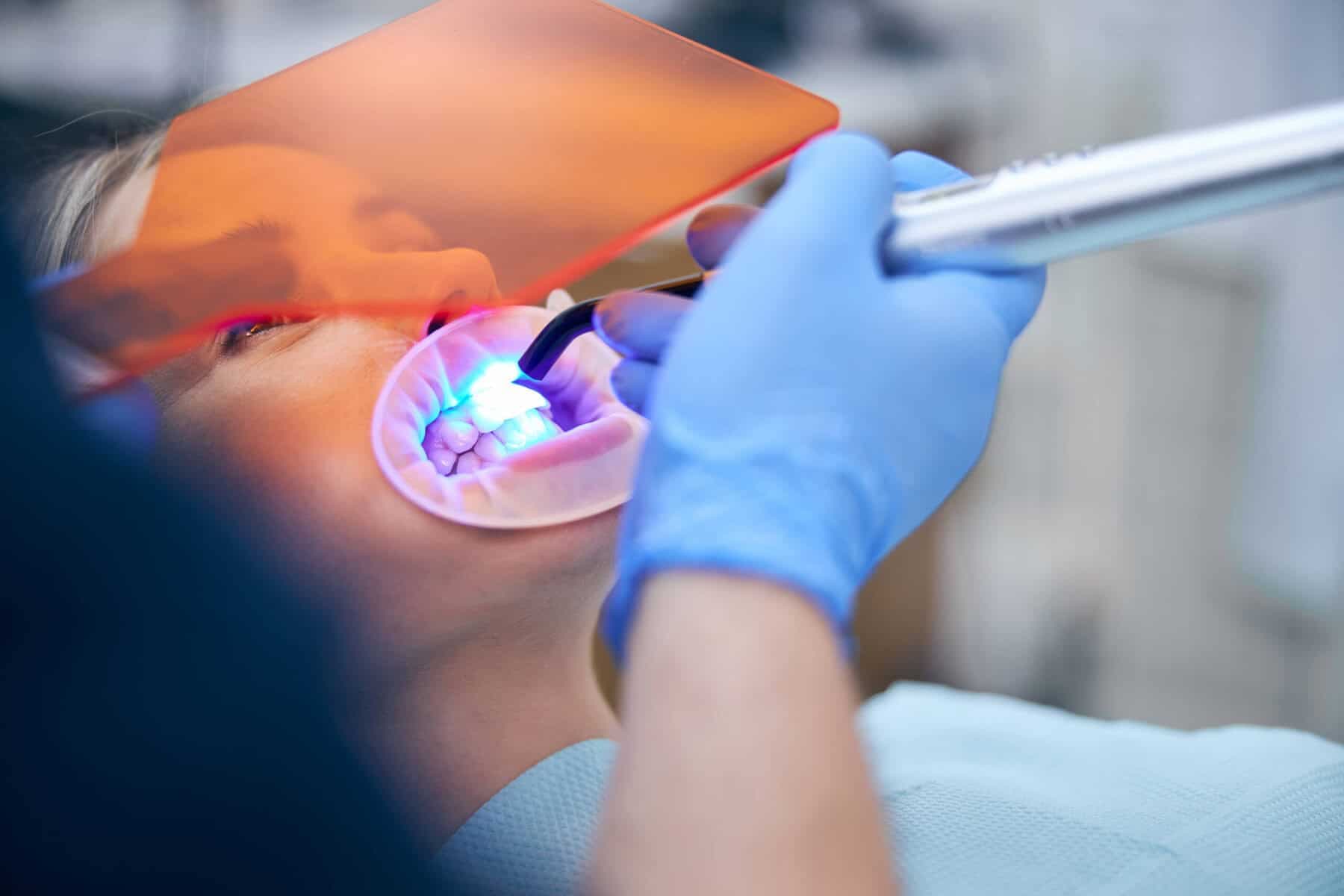
Tooth decay is one of the most common oral health problems among Hong Kong residents. When considering restorative treatment, many patients are primarily concerned with the latest market rates for dental filling costs in 2026. As Hong Kong Dental Guide, we aim to provide an objective and impartial breakdown of the fee structures for various dental filling services currently available, helping you make informed decisions before your appointment.
Key Factors Affecting Filling Fees and Material Comparisons
When evaluating dental filling fees, patients should be aware that pricing typically depends on several variables, including the depth of the cavity, the number of tooth surfaces requiring restoration, and the material selected. The most commonly used materials in Hong Kong dental clinics today are composite resin and glass ionomer cement. Amalgam (silver filling), which was widely used in the past, has become less prevalent due to aesthetic and environmental concerns.
In general, restorations on front teeth place greater emphasis on aesthetics, while back teeth (molars) require higher compressive strength. When the area of decay is extensive or involves multiple tooth surfaces, the cost of filling will increase accordingly. If tooth decay is severe enough to affect the dental pulp and nerve, simple restoration alone will no longer be sufficient — in such cases, root canal treatment may be required to save the tooth. If the tooth structure is extensively damaged beyond repair, extraction may be the only option, with dental implants as a subsequent consideration to restore chewing function.
Deep Scaling Fees and Their Relationship to Comprehensive Dental Care
When seeking dental filling treatment, dentists will typically begin with a thorough oral examination and routine scaling and cleaning. If a patient has moderate to severe periodontal disease, tartar accumulated below the gum line can compromise both the outcome of the filling and overall periodontal health. In such cases, the dentist may recommend periodontal scaling and root planing. Patients should note that deep scaling fees differ significantly from those of routine cleaning, and are usually calculated per quadrant (one quarter of the mouth), based on the extent of local anaesthesia required and the depth of the periodontal pockets.
Frequently Asked Questions (FAQ)
1. What is the average market rate for dental fillings in 2026?
Based on 2026 market observations, fees for basic composite resin fillings typically range from a few hundred to over a thousand Hong Kong dollars, depending on the clinic's location, level of equipment, and the number of tooth surfaces requiring restoration. Patients are advised to request a clear written quotation from the clinic before proceeding with treatment.
2. Does severe toothache always mean the tooth needs to be extracted?
Not necessarily. The principle of modern dentistry is to preserve natural teeth wherever possible. Unless a tooth has a severe fracture extending to the root apex or extensive decay, most cases can be managed through root canal treatment followed by a dental crown. For impacted teeth such as wisdom teeth that cause recurrent inflammation, the surgical extraction fee will vary according to the angle of growth and proximity to the nerve.
3. Why do deep scaling fees vary so significantly between clinics?
The variation in deep scaling fees is mainly due to the time and technical skill involved. Since periodontal scaling and root planing requires the precise removal of infected tissue from the root surfaces, more severe cases may need to be managed by a specialist in periodontology. Specialist fees are naturally higher than those of general dental practitioners.
Criteria for Selecting a Quality Dental Provider
When considering dental filling costs in 2026 and the overall expenses of other dental procedures, patients should not make decisions based on price alone. It is advisable to choose registered dental practices that maintain high infection control standards, offer transparent fee structures, and meet the requirements of Day Procedure Centres. Such facilities are subject to stricter regulation in terms of sterilisation protocols, emergency preparedness, and equipment standards, providing patients with a safer and more reliable oral healthcare experience.
Found this useful? Pass it on
One tap to send it to family or friends on WhatsApp.
Related Questions
How much is a filling in Hong Kong in 2026?
About $600–1,500 per tooth at private clinics [7][8] and $2,500–15,000 at private hospitals [9][10]; CDSP fillings are free for Class A and $50 per to...
Read related articleWill replacing an old filling be painful? I have a real fear of the drilling sound!
We completely understand your anxiety about dental visits. Rest assured, modern dental techniques and anaesthetic equipment have advanced tremendously...
Read related articleCan tooth decay heal on its own?
As mentioned above, only in the very early "demineralisation stage" — where white spots appear on the enamel surface but no physical cavity has formed...
Read related articleDo all old amalgam fillings need to be replaced with composite resin?
Unless an existing amalgam filling shows signs of marginal breakdown, secondary decay, or the patient has strong aesthetic concerns about the metallic...
Read related articleMy crown is ten years old and trouble-free — should it be replaced anyway?
No — age alone is not a reason. A crown with no leakage, no decay and a sound bite can stay; what matters is regular reviews and X-ray monitoring of t...
Read related article