Amalgam vs Composite Fillings: 2026 Costs, Durability and Safety Compared
Written and reviewed by the HK Dental Guide editorial team · Updated 25 Sept 2026 · 4 min read
On this page(5)
Introduction: Why Should You Understand Dental Filling Materials?
When signs of tooth decay are detected, timely dental filling is an effective way to prevent the condition from worsening. Among the many materials available, the most common decision patients face is amalgam vs composite resin fillings. Dental amalgam (silver filling) has a long history and is highly durable, while composite resin is known for its natural appearance and ability to preserve more healthy tooth structure. This guide takes an objective approach to analysing the characteristics of both materials, with reference to the professional standards of the Hong Kong Dental Guide, to help the public make the most informed dental decisions.
Core Comparison: A Scientific Analysis of Amalgam vs Composite Resin
To thoroughly compare amalgam vs composite resin fillings, we must examine them across multiple dimensions. First, consider material indications: for minor cavities, composite resin holds a clear advantage. Traditional amalgam requires the removal of a greater amount of healthy tooth structure to create undercuts that mechanically retain the material, whereas composite resin bonds directly to dentine via a specialised adhesive, preserving as much remaining tooth structure as possible in line with the principles of minimally invasive dentistry.
Next is post-treatment response and comfort. As amalgam is a metal, it has higher thermal conductivity, which can initially cause brief tooth sensitivity when consuming hot or cold foods. In contrast, high-quality composite resin has lower thermal conductivity and, when bonding technique is properly applied, can effectively seal the dentinal tubules to reduce external stimulation. However, if decay has progressed deeply and the pulp has become infected by bacteria, surface restoration alone will no longer be sufficient — in such cases, root canal treatment may be required to save the affected tooth.
Cost Differences and Value-for-Money Considerations
When evaluating amalgam vs composite resin fillings, the cost of treatment is undoubtedly one of the primary concerns for patients. Traditionally, amalgam material costs are lower and placement is faster, making it the more affordable option. Composite resin, on the other hand, demands a higher level of technical skill from the dentist — it must be applied and cured layer by layer under strict moisture control — and therefore generally commands a slightly higher fee. Nevertheless, given its highly aesthetic, natural appearance and its long-term benefit of preserving natural tooth structure, many patients consider composite resin the better value choice in the long run.
It is worth noting that prevention is always better than cure. Maintaining good daily oral hygiene and undergoing regular scaling and cleaning along with routine check-ups enables early detection of initial decay. If a wisdom tooth at the back of the mouth develops severe decay and is difficult to clean, dentists will typically recommend extraction rather than restoration. Should a molar unfortunately require extraction due to severe decay, subsequent consideration of a dental implant to restore chewing function may become necessary, significantly increasing overall treatment costs.
Frequently Asked Questions (FAQ)
1. Do all old amalgam fillings need to be replaced with composite resin?
Unless an existing amalgam filling shows signs of marginal breakdown, secondary decay, or the patient has strong aesthetic concerns about the metallic appearance, replacement is generally not recommended. Unnecessarily removing an intact amalgam filling may result in additional loss of healthy tooth structure and increase the risk of future tooth sensitivity.
2. Why do I experience tooth sensitivity after a composite resin filling?
Tooth sensitivity following a composite resin filling is usually temporary. It may result from physical stimulation to the pulp during the filling procedure, or from the minor shrinkage that occurs as the resin material cures under light. This typically resolves naturally within a few days to a few weeks. If sensitivity persists or worsens, you should return for a follow-up examination as soon as possible.
3. Which material is most suitable for minor cavities?
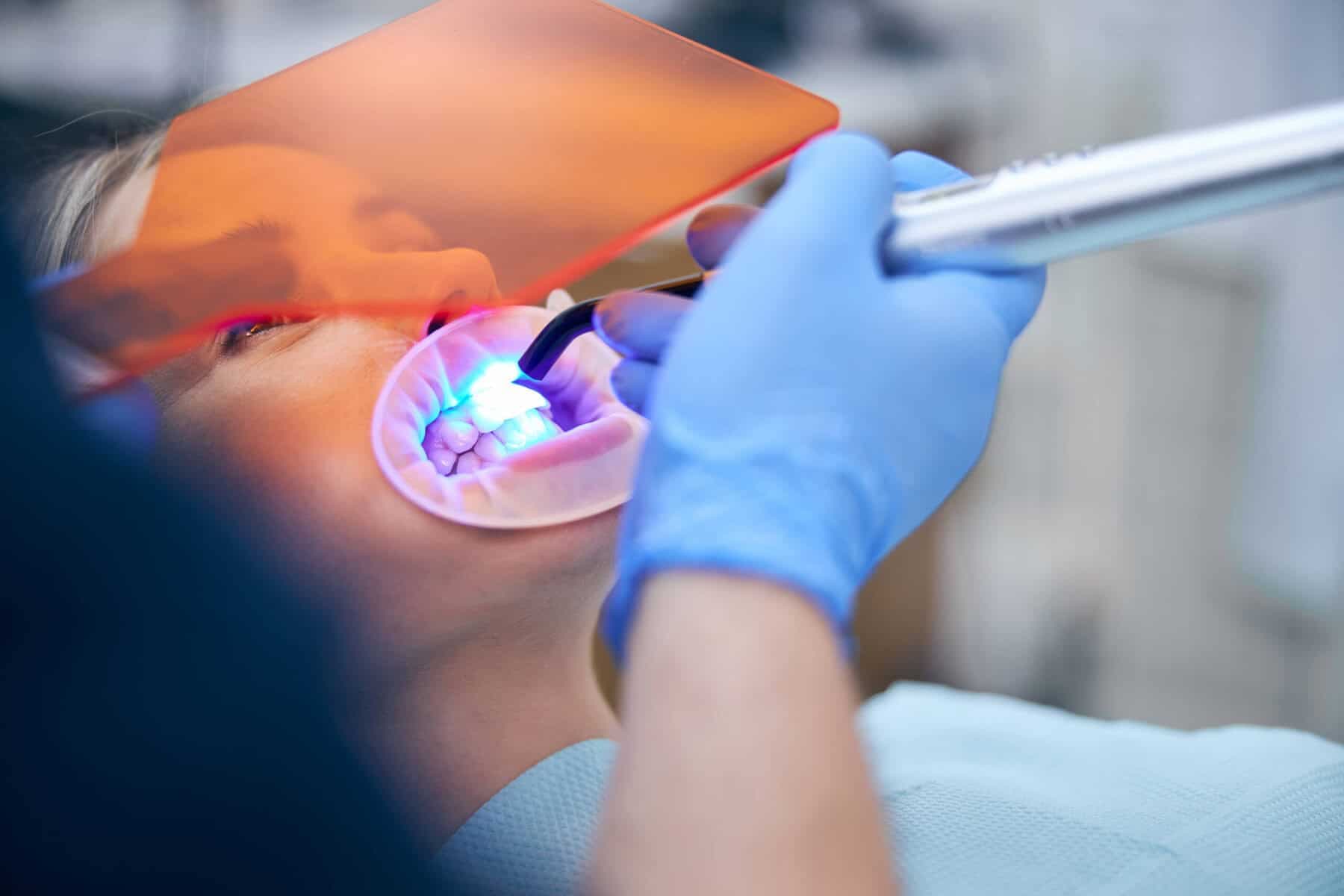
For minor cavities, composite resin is the industry's preferred choice. It requires only the removal of infected, decayed tooth structure before placement, effectively avoiding excessive reduction of healthy tooth material and aligning with contemporary standards of dental care.
Criteria for Choosing a Quality Dental Practice
Regardless of which option you ultimately choose between amalgam vs composite resin fillings, seeking out a professional and well-equipped dental practice is paramount. Patients are advised to prioritise day procedure centres that meet the standards set by the Department of Health. Such centres maintain rigorous infection control protocols, advanced sterilisation equipment, and transparent fee structures. Prior to any treatment, the dentist should explain in detail the advantages and disadvantages of different materials, their expected lifespan, and potential risks, ensuring that patients can make decisions with full informed consent. Consulting independent consumer health information can help you avoid unnecessary upselling and select the option that suits your individual dental needs.
Found this useful? Pass it on
One tap to send it to family or friends on WhatsApp.
Related Questions
How much is a filling in Hong Kong in 2026?
About $600–1,500 per tooth at private clinics [7][8] and $2,500–15,000 at private hospitals [9][10]; CDSP fillings are free for Class A and $50 per to...
Read related articleWill replacing an old filling be painful? I have a real fear of the drilling sound!
We completely understand your anxiety about dental visits. Rest assured, modern dental techniques and anaesthetic equipment have advanced tremendously...
Read related articleCan tooth decay heal on its own?
As mentioned above, only in the very early "demineralisation stage" — where white spots appear on the enamel surface but no physical cavity has formed...
Read related articleWhat is the average market rate for dental fillings in 2026?
Based on 2026 market observations, fees for basic composite resin fillings typically range from a few hundred to over a thousand Hong Kong dollars, de...
Read related articleMy crown is ten years old and trouble-free — should it be replaced anyway?
No — age alone is not a reason. A crown with no leakage, no decay and a sound bite can stay; what matters is regular reviews and X-ray monitoring of t...
Read related article