2026 Hong Kong Root Canal Treatment Complete Guide: Vital Pulp Therapy vs. Root Canal Procedure, Costs & Success Rate Analysis
Written and reviewed by the HK Dental Guide editorial team · Updated 10 Oct 2026 · 7 min read
On this page(6)
Fee benchmark: the sourced root canal fee table (public / subsidised / private / Shenzhen) is at Root canal fee reference (2026 benchmark); this article focuses on the procedure, vital pulp therapy and success rates.
When a tooth suffers from severe decay or persistent pain, root canal treatment (RCT) is often the last line of defence for preserving a natural tooth. In 2026, root canal procedures in Hong Kong have significantly improved in success rates through the integration of microscopic technology. Many patients are concerned about the cost and process of root canal treatment — in fact, the complete removal of infected tissue is the critical factor determining the long-term survival of the tooth.
1. What Is Root Canal Treatment? Procedures and Types Explained
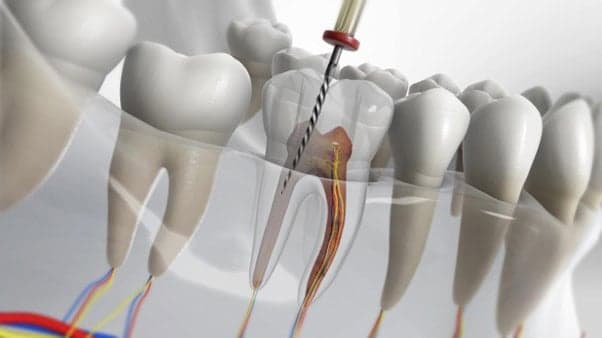
Root canal treatment is indicated for teeth with severe decay that a dentist has assessed as worth preserving. The core of the procedure involves removing infected or necrotic pulp tissue (including nerves and blood vessels), followed by sealing with biocompatible materials.
1. Vital Pulp Therapy vs Root Canal Treatment (RCT)
-
Vital Pulp Therapy: Only a portion of the damaged pulp is removed, with the aim of preserving as much healthy nerve tissue as possible. Its application in permanent teeth has been increasing in recent years.
-
Criteria: The pulp must not be completely necrotic; healthy tissue must be confirmed under microscopic magnification; and sufficient space must be available for placement of filling and biological materials.
-
-
Root Canal Treatment (RCT): All pulp tissue is removed. This is indicated for cases where inflammation has spread throughout the entire pulp chamber.
Root canal procedure in 6 steps: from X-ray to sealing
The basic procedure is much the same everywhere. The steps below combine public patient information from the NHS, the American Association of Endodontists (AAE) and Mayo Clinic1–3; the exact approach and the number of visits depend on the tooth and its roots, from one visit to several, so your dentist's assessment comes first1–3.
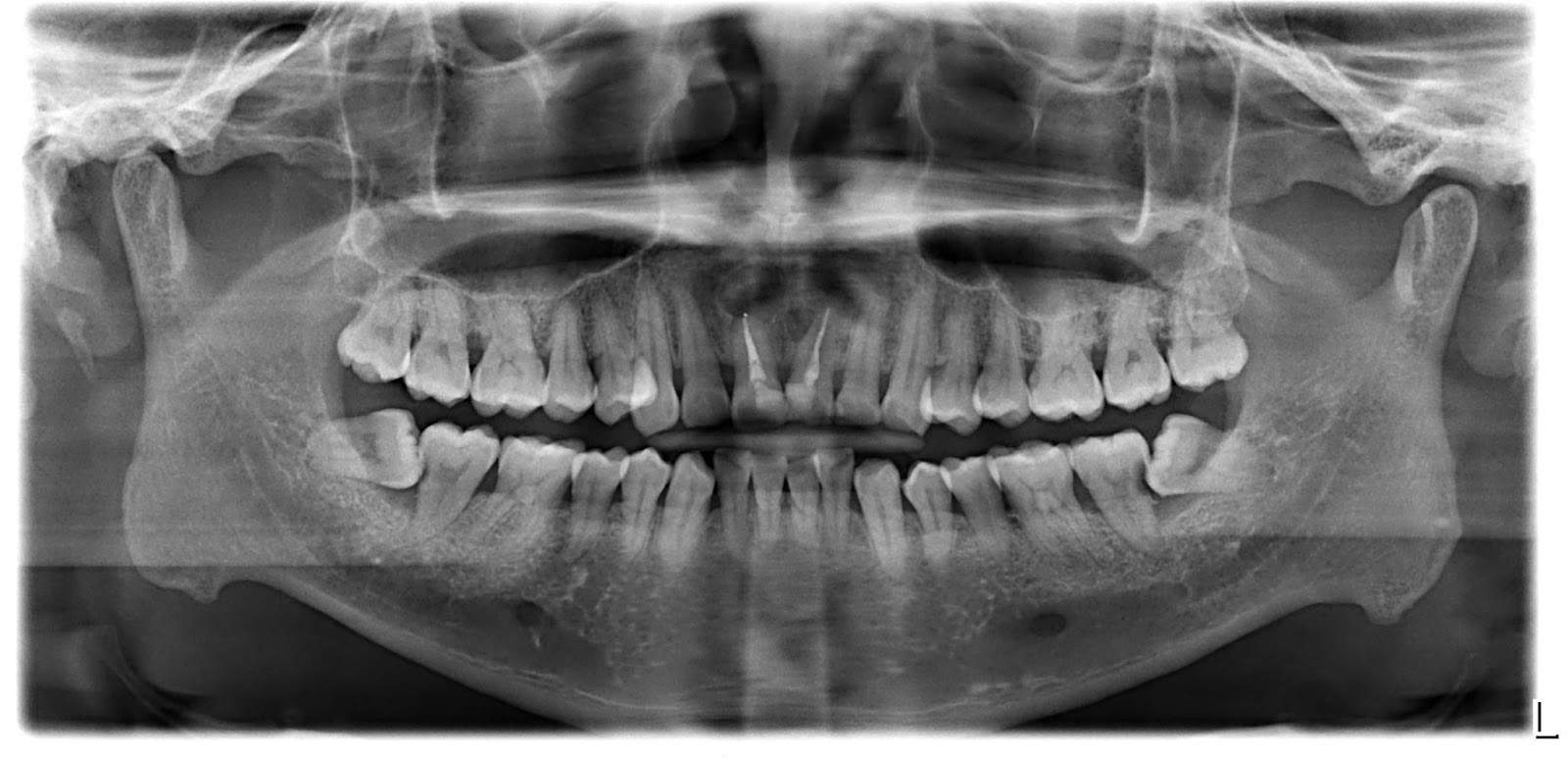
- Examination and X-ray: an X-ray shows how deep the decay and infection go and whether the tooth can be kept3.
- Local anaesthetic and isolation: the area is numbed and a rubber sheet (dental dam) is placed around the tooth to isolate it from the rest of the mouth3.
- Access and pulp removal: a small opening is made in the tooth and the inflamed or dead pulp is removed with fine instruments; an abscess, if present, is drained1,3.
- Cleaning, disinfecting and shaping: the canals are cleaned, disinfected and shaped ready for filling1,2; if treatment is split over visits, a medicated dressing and a temporary filling are placed in between.
- Sealing the canals: the canals are filled with gutta-percha and sealer, and the opening is closed2,3.
- Restoring the tooth: finally a filling or crown protects the tooth2; Mayo Clinic says this is usually a crown, and the NHS says a crown may be needed if the tooth was badly infected1,3.
Afterwards: numbness usually lasts about two to four hours and you should not eat until it has worn off2; avoid chewing on that side until the tooth is permanently restored3. If swelling or discomfort persists, contact your dentist promptly1,3. For problems after a root canal, see root canal failure signs and retreatment; for crown fees, see the root canal fee reference.
2. 2026 Hong Kong Root Canal Treatment Fee Reference Table
The cost of root canal treatment depends primarily on the position of the tooth (as premolars and molars have different numbers of canals) and whether a dental microscope is used.
| Item | General Dentist Reference Price | Specialist Dentist Reference Price (with Microscope) |
| Anterior Tooth Root Canal (Single Canal) | HK$3,500 - $5,500 | HK$8,000 - $12,000 |
| Molar Root Canal (Multiple Canals) | HK$6,000 - $9,500 | HK$15,000 - $22,000 |
| Dental Crown | HK$4,000 - $8,000 | HK$9,000 - $15,000 |
Note: the ranges above come from an earlier version of this article and are not individually sourced; for sourced public, subsidised, private and Shenzhen fees, use the root canal fee reference (2026 benchmark).
However, not every case is suitable for vital pulp therapy. Teeth undergoing vital pulp therapy must meet several criteria:
- The pulp must not be necrotic
- Microscopic examination must confirm that a portion of the pulp is sufficiently healthy
- The tooth structure must have adequate space to accommodate the filling and biological materials
Vital pulp therapy procedure (partial pulp removal):
1. Remove the infected or damaged coronal pulp
2. Clean the coronal pulp chamber
3. Place appropriate medication according to the patient's condition
4. Seal the coronal pulp chamber and the cavity
Root canal treatment procedure (complete pulp removal):
1. Remove the infected or damaged coronal pulp
2. Clean the root canal pulp
3. Thoroughly clean the entire pulp chamber of the tooth
4. Place appropriate medication according to the patient's condition
5. Seal the pulp chamber and the cavity
6. Fit a dental crown (recommended for teeth that are too weakened after treatment, as a crown effectively protects the tooth structure)
3. Key Factors for Root Canal Treatment Success
The most critical factor in the success of root canal treatment is the complete removal of all pulp nerve tissue.
-
Anatomical Variation: Each tooth differs in the number of nerve canals, root canal anatomy, root curvature, and root length.
-
Clinical Expertise: If any canal is missed or cleaning does not reach the root apex, the risk of re-infection is very high, potentially necessitating retreatment or even extraction.
-
Post-Treatment Protection: For structurally weakened teeth, fitting a dental crown effectively protects the tooth and prevents vertical fractures.
4. Who Needs Root Canal Treatment? Recognising Irreversible Pulpitis
The dental pulp is protected by hard enamel and dentine. When severe decay destroys this protective layer, bacterial invasion can lead to:
-
Sensitivity and Pain: Noticeable reactions to cold, heat, or acidic foods.
-
Acute Pulpitis: Severe, intense pain — particularly when lying down at night, as increased pressure intensifies the pain.
-
Spontaneous Pain: The onset of persistent spontaneous pain typically indicates extensive necrosis of the pulp tissue.
Part 3: Frequently Asked Questions (FAQ)
-
Q1: When can I eat after completing root canal treatment? What should I do if the pain is so severe I cannot sleep?
-
A: If temporary medication has been placed during the course of treatment, you should avoid biting on hard foods. If persistent severe pain occurs after the procedure, contact your clinic promptly to check for any leakage or inflammation.
-
-
Q2: Is a dental crown always necessary after root canal treatment?
-
A: Teeth that have lost their nerve supply become more brittle. To prevent the tooth from fracturing during chewing, dentists generally recommend fitting a crown to extend the tooth's lifespan.
-
-
Q3: Can saltwater rinsing replace root canal treatment?
-
A: No. Saltwater can only clean the surface and cannot penetrate the sealed root canals. Once bacteria have invaded the pulp, physical removal by a dentist is essential.
-
-
Q4: How many steps are there in a root canal procedure?
-
Q5: Why does a root canal need an X-ray and a dental dam?
-
A: The X-ray shows how far decay and infection have spread and whether the tooth can be kept; the dental dam is a rubber sheet placed around the tooth to isolate it from the rest of the mouth3.
-
-
Q6: A filling or a crown after a root canal?
-
A: The AAE says the tooth is restored with a crown or filling for protection2; Mayo Clinic says it is usually a crown3, and the NHS says a crown may be needed if the tooth was badly infected1. Your dentist decides based on how much tooth structure is left; avoid chewing on that side until it is permanently restored3.
-
If you have any concerns, please consult your trusted family dentist.
Worried about root canal treatment costs? Check out the [2026 Affordable Dental Care in Hong Kong: fee comparison] to compare fees across clinics and save with confidence!
Sources
- NHS — Root canal treatment: nhs.uk
- American Association of Endodontists (AAE) — What is a root canal?: aae.org
- Mayo Clinic — Root canal: mayoclinic.org
Sources checked 10 October 2026.
※ Actual fees depend on case difficulty.
Found this useful? Pass it on
One tap to send it to family or friends on WhatsApp.
Related Questions
How should I care for my tooth after root canal treatment to prevent fracture?
You should avoid eating hard foods (such as nuts, bones, or ice) during meals. You should also follow your dentist's instructions and have a crown fit...
Read related articleHow much does a root canal cost in Hong Kong?
About HK$4,000–8,000 per tooth at private clinics, HK$12,000–25,000 with a specialist or private hospital, crown extra from HK$4,500; eligible people...
Read related articleWill I definitely be in pain for a long time after a root canal?
Not necessarily. Most people only feel mild sensitivity or biting discomfort after treatment, which usually subsides over a few days to two or three w...
Read related article