2026 What to Do When Root Canal Treatment Fails in Hong Kong? A Complete Guide to Complications, Retreatment Risks, and Aftercare
Written and reviewed by the HK Dental Guide editorial team · Updated 26 Oct 2026 · 4 min read
On this page(4)
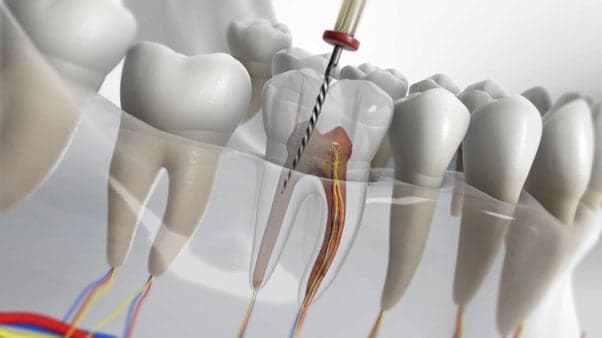
When tooth decay becomes severely advanced, patients typically face two options: extraction or preserving the tooth through root canal treatment. Although root canal treatment has a very high success rate, no procedure is guaranteed to be 100% successful, and there remains a small chance of complications or adverse outcomes. In Hong Kong in 2026, with the widespread adoption of microscopic root canal techniques, the success rate of retreatment has improved. Nevertheless, understanding the potential complications of root canal treatment is crucial for patients to identify problems early and seek specialist assistance.
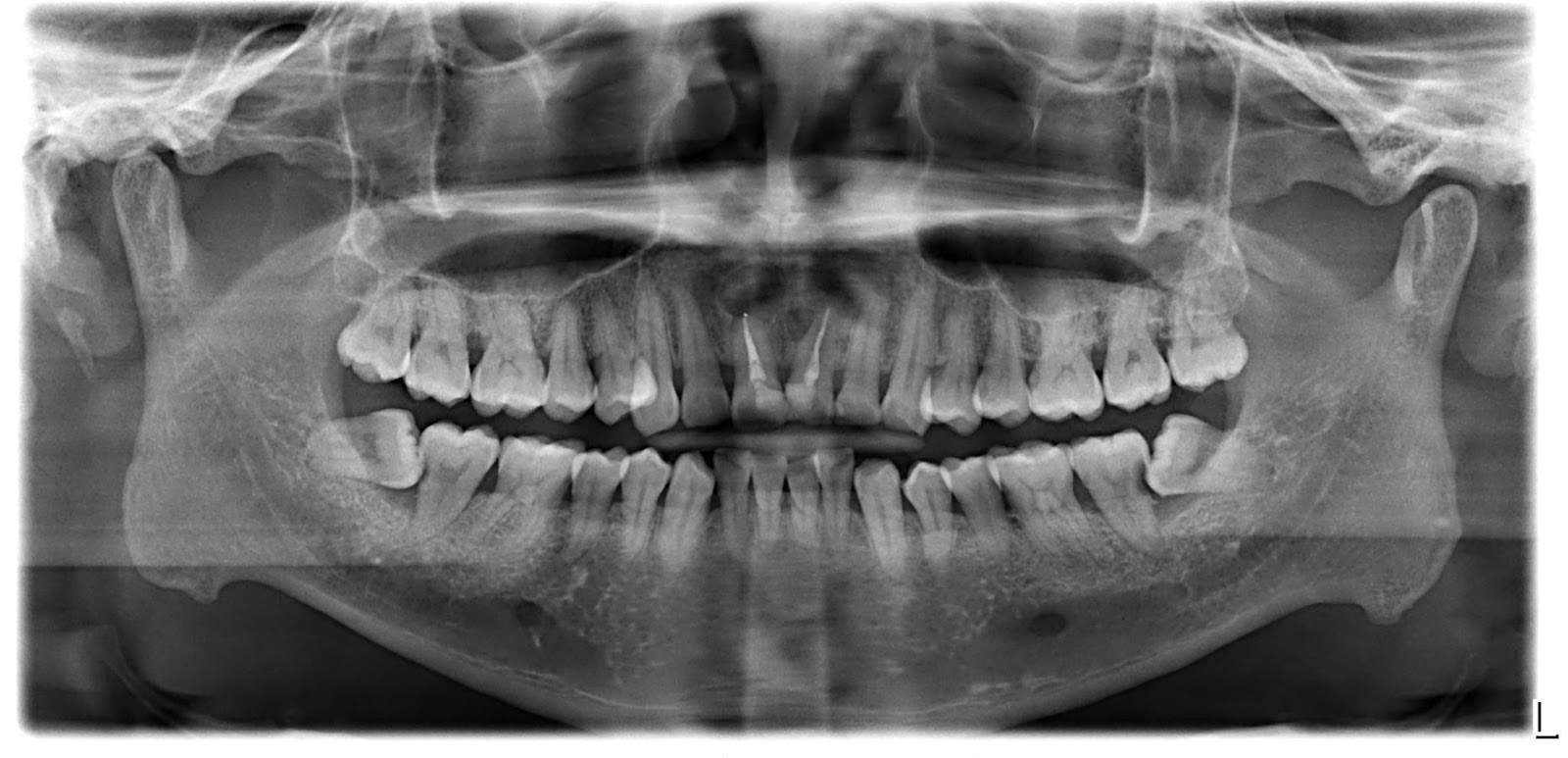
[Suggested image: X-ray comparison showing tooth structure after root canal treatment and periapical shadow]
Part 1: What Complications Can Occur After Root Canal Treatment?
Although the likelihood of root canal treatment failure is low, outcomes vary from patient to patient. The following signs may indicate treatment failure:
-
Persistent pain and inflammation: Ongoing pain after treatment is completed, or the appearance of a dental abscess on the gum.
-
X-ray abnormalities: A shadow detected near the root tip on X-ray, which typically indicates reinfection of the root canal or a fractured tooth.
-
Cracked tooth: Even with a dental crown in place for protection, biting on hard objects may deepen existing cracks and irritate surrounding tissue, causing discomfort.
Part 2: Options After Treatment Failure — Retreatment and Specialist Referral
If the initial root canal treatment does not achieve the desired outcome, patients may consider undergoing retreatment:
-
Specialist management: As root canal retreatment is significantly more complex and demanding, most cases require referral to an endodontic specialist.
-
Microscopic diagnosis: If the dentist identifies under microscopy that cracks have extended deep into the root, root canal treatment will no longer be effective, and extraction of the affected tooth may be the only remaining option.
-
Conservative monitoring: If discomfort has improved significantly compared to before treatment and is not affecting daily life, retaining the tooth under continued observation may also be considered.
Part 3: The "Vulnerable Period" After Root Canal Treatment and Its Drawbacks
Teeth that have undergone root canal treatment become relatively more fragile, primarily due to the following reasons:
-
Structural compromise: Teeth requiring root canal treatment have typically been severely damaged by bacterial infection and are already in a weakened state.
-
Reduced load-bearing capacity: Even with a dental crown providing protection, the tooth may not be able to withstand excessive biting forces.
-
Risk of fracture: The tooth is highly susceptible to chipping or fracturing when biting on hard objects, making post-treatment care and dietary habits especially important.
[Suggested image: Illustration of how an all-ceramic crown protects a weakened tooth after root canal treatment]
Part 4: 2026 Hong Kong Root Canal Treatment and Crown Maintenance Fee Reference Table
For first-time root canal prices across public, subsidised, private and Shenzhen providers, see the root canal cost comparison; this section covers retreatment and crown maintenance.
| Treatment Type | General Dentist Reference Price | Specialist Dentist Reference Price |
| Root Canal Retreatment | HK$5,000 - $8,000 | HK$12,000 - $20,000+ |
| All-Ceramic Crown | HK$4,500 - $8,500 | HK$10,000+ |
| Microscopic Examination and Diagnosis | HK$800 - $1,500 | HK$2,000+ |
Part 5: Frequently Asked Questions (FAQ)
-
Q1: How should I care for my tooth after root canal treatment to prevent fracture?
-
A: You should avoid eating hard foods (such as nuts, bones, or ice) during meals. You should also follow your dentist's instructions and have a crown fitted promptly to distribute biting pressure and protect the weakened tooth structure.
-
-
Q2: Why does tooth pain develop several years after root canal treatment?
-
A: This may be due to leakage in the original filling material, allowing bacteria to reinfect the root canal, or the development of a new crack in the tooth. It is advisable to attend regular check-ups and have X-rays taken to monitor the condition of the root.
-
-
Q3: In Hong Kong in 2026, can Elderly Health Care Vouchers be used for root canal retreatment?
-
A: Yes. Provided the clinic participates in the Elderly Health Care Voucher Scheme, eligible elderly patients may use their vouchers to cover the cost of treatment, which can effectively reduce the financial burden of managing complex dental conditions.
-
※ Actual fees depend on case difficulty.
Found this useful? Pass it on
One tap to send it to family or friends on WhatsApp.
Related Questions
When can I eat after completing root canal treatment? What should I do if the pain is so severe I cannot sleep?
If temporary medication has been placed during the course of treatment, you should avoid biting on hard foods. If persistent severe pain occurs after...
Read related articleHow much does a root canal cost in Hong Kong?
About HK$4,000–8,000 per tooth at private clinics, HK$12,000–25,000 with a specialist or private hospital, crown extra from HK$4,500; eligible people...
Read related articleWill I definitely be in pain for a long time after a root canal?
Not necessarily. Most people only feel mild sensitivity or biting discomfort after treatment, which usually subsides over a few days to two or three w...
Read related article