What Makes a Quality Root Canal? Why Poor RCT Causes Recurring Pain
Written and reviewed by the HK Dental Guide editorial team · Updated 25 Sept 2026 · 7 min read
On this page(6)
When a dentist tells you that you need a root canal, a few questions usually run through your mind: what exactly is this treatment doing inside the tooth, and why do some people get permanent relief while others feel a dull ache return months later? Root canal treatment (RCT) is a procedure that demands a high level of attention to detail, and how thoroughly each step is performed directly affects the outcome. This article will help you understand what a quality root canal actually involves, and why poorly executed RCT leads to recurring pain and complications.
What problem is a root canal actually solving?
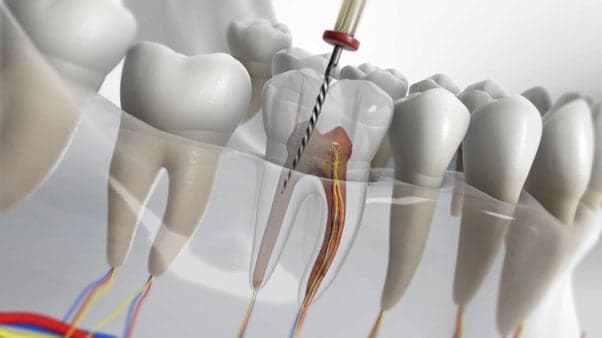
The innermost layer of a tooth contains tissue called the pulp, which houses nerves and blood vessels. When decay reaches deep enough, a tooth cracks, or repeated irritation occurs, bacteria can invade the pulp and cause inflammation or even tissue death. Once the pulp is infected, the body cannot reverse the process on its own, and pressure builds inside the enclosed tooth, producing intense, throbbing pain.
The core goal of a root canal is to completely remove this infected or dead pulp, then clean, disinfect and seal the fine channels (the root canals) that once held the pulp. In simple terms, it preserves a tooth that has become diseased on the inside instead of pulling it out, keeping your natural chewing function and tooth alignment intact.
It is important to note that a root canal is not just a few minutes of drilling under anaesthetic. The canal system is often curved, branched and extremely narrow, and cleaning every channel without being able to see directly is a real test of skill and patience. If these concepts still feel unclear, you may also find the basics in dental fillings and oral care helpful for understanding how decay progresses to the point of needing RCT.
What are the key steps in a quality root canal?
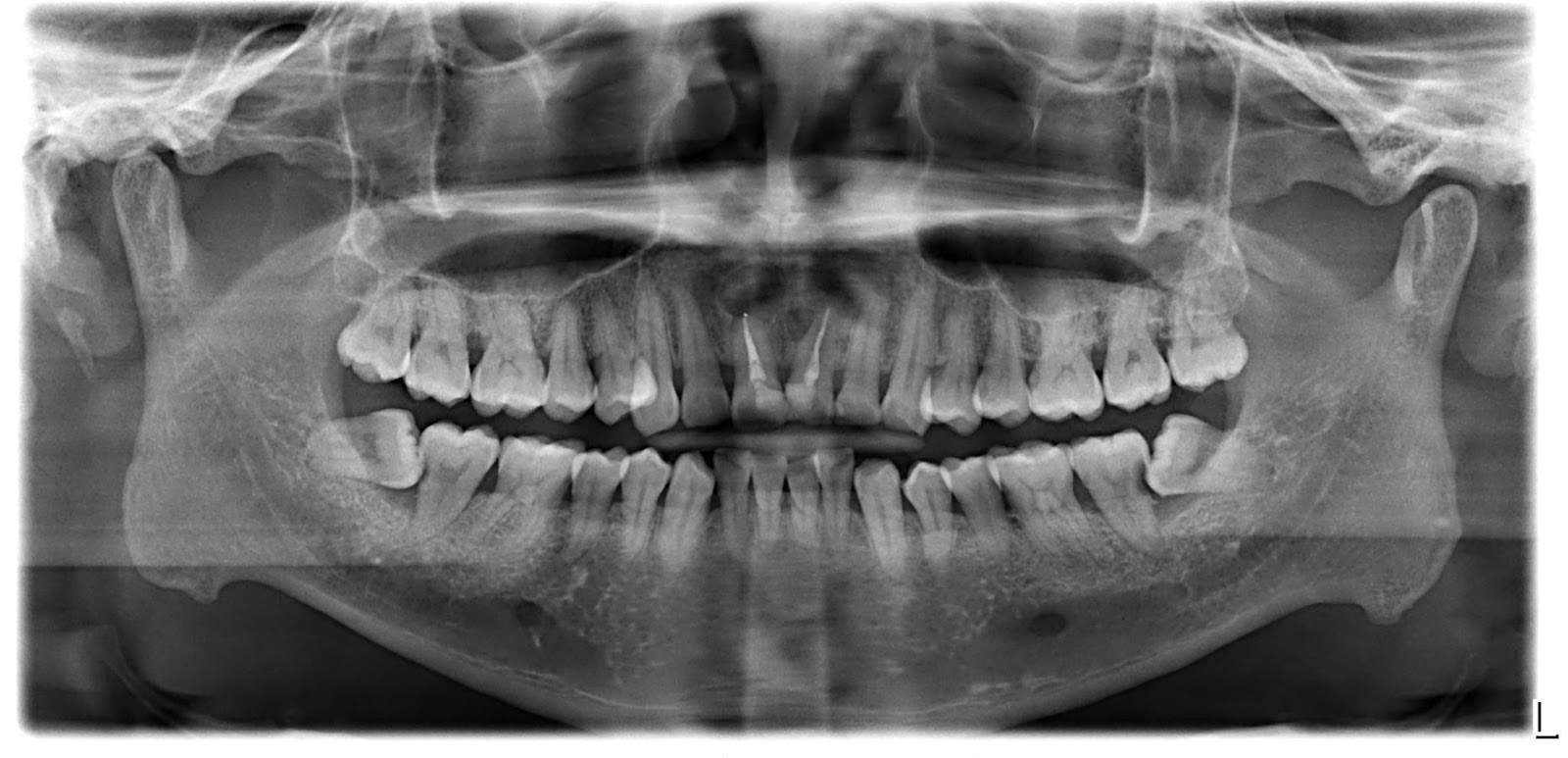
The first key step is accurate diagnosis and isolation. The dentist uses X-rays or even 3D imaging to understand how many canals the tooth has, how curved they are, and whether there is inflammation at the root tip. During treatment, a rubber dam isolates the tooth to prevent saliva and bacteria from re-contaminating the canal. Many people overlook this step, but it has a large impact on the final result.
The second key step is thorough cleaning and accurate length measurement. The dentist must remove infected tissue from each canal while measuring the precise length of every channel. Cleaning too short leaves bacteria near the root tip, while over-instrumenting past the tip can damage surrounding tissue. The ideal approach combines an electronic apex locator with X-ray confirmation to reach exactly the right point.
The third key step is disinfection and a tight seal. After cleaning, the canals are repeatedly rinsed with disinfecting solutions to minimise remaining bacteria, then filled completely from bottom to top with a specialised material that leaves no gaps. Many back teeth are then advised to receive a crown for protection, because a tooth without pulp becomes brittle and prone to fracture. You can read related content under prosthetics and restorations.
Why does a poorly done root canal cause recurring pain?
The most common reason is incomplete cleaning. The canal system may contain extra channels the dentist missed, or curved areas that were not fully cleaned, and leftover infected tissue and bacteria continue to grow after sealing. On the surface the treatment looks complete, but in reality a breeding ground for bacteria has been sealed in, and after a period of time inflammation and abscess return at the root tip, causing pain on biting or a persistent dull ache.
Another common reason is an inadequate or leaking seal. If gaps exist between the filling material and the canal wall, or if the filling or crown above is not tight, bacteria from the mouth can seep back into the treated canal through tiny openings, causing re-infection. This sometimes does not flare up immediately and may take months or longer before symptoms appear.
A further scenario is excessive structural damage or cracking. If the tooth already had a crack, or if no protective crown was placed after RCT and the tooth fractured further under daily chewing, bacteria can travel straight in through the crack. So recurring pain is not always a question of technique; it can also stem from inadequate follow-up protection.
How do you tell whether the root canal is truly resolved or just temporarily pain-free?
Mild sensitivity or biting discomfort in the early period after treatment is within a reasonable range and usually fades over a few days to two or three weeks. However, if pain keeps intensifying, obvious swelling appears, a pimple-like bump forms on the gum, or you feel sharp pain every time you bite, these are not part of normal recovery. They are warning signs that infection may remain inside the canal.
Another criterion is whether symptoms come and go in cycles. If you notice the same tooth aching dully every so often, settling on its own after a few days, then repeating, this is often typical of chronic inflammation at the root tip. Even the symptom-free days do not mean the problem is solved; rather, the inflammation is in a low-grade, ongoing state.
Ultimately, deciding whether further treatment is needed relies on the dentist examining you clinically and assessing changes at the root tip on X-ray. If a dark shadow at the root tip is enlarging, or the original seal has failed, root canal retreatment may need to be considered. If you have concerns about ongoing discomfort linked to the gums, you may also refer to information under periodontal care, since pain does not always come purely from the canal.
If a root canal was done poorly, what remedies are available?
The first option is usually root canal retreatment. The dentist removes the original filling material, then re-cleans, disinfects and seals the entire canal system, working to eliminate the infection left behind last time. Retreatment is usually harder than the first attempt, because it involves dealing with old filling material and an altered canal structure, requiring more patience and skill.
The second option is apical surgery. When retreatment cannot resolve the problem, or the canal is blocked and hard to access, the dentist may consider opening the gum to directly treat the inflamed tissue at the root tip and seal the apex. This too is an attempt to preserve the tooth, but whether it is suitable must be assessed case by case.
When the tooth is too badly damaged, the crack is too deep, or infection cannot be controlled, extraction may eventually need to be considered, with the gap restored another way. The cost and suitability of any treatment plan vary with how complex the case is and the clinic involved, and should be decided after a dentist assesses you, rather than choosing on price alone.
Frequently Asked Questions (FAQ)
Will I definitely be in pain for a long time after a root canal?
Not necessarily. Most people only feel mild sensitivity or biting discomfort after treatment, which usually subsides over a few days to two or three weeks. If pain keeps intensifying or swelling appears, that is not normal recovery and you should return for a check.
Do I always need a crown after a root canal?
Not every tooth absolutely requires one, but back teeth bear heavy chewing forces and become brittle after RCT, so a protective crown is commonly advised to reduce the risk of future fracture. For front teeth, it depends on the remaining tooth structure and the dentist's judgement.
Why is my tooth aching again months after the root canal?
Common reasons include canals not fully cleaned, missed extra channels, a leaking seal allowing bacteria to seep in, or a new crack in the tooth. These let bacteria grow again at the root tip, causing recurring pain. A dentist needs to find the cause through examination and X-ray.
If a root canal fails, do I have to extract the tooth?
Not necessarily. Many cases can attempt to keep the tooth through retreatment or apical surgery. Only when the tooth is too damaged, the crack is too deep, or infection cannot be controlled is extraction considered. The final decision depends on a case assessment.
How much does a root canal cost?
Cost varies considerably with the tooth's position, number of canals, difficulty and the clinic, and also differs if retreatment or a crown is needed. It is advisable to understand the fees after a dentist assesses your case, rather than choosing simply on the lowest price.
Found this useful? Pass it on
One tap to send it to family or friends on WhatsApp.
Related Questions
How should I care for my tooth after root canal treatment to prevent fracture?
You should avoid eating hard foods (such as nuts, bones, or ice) during meals. You should also follow your dentist's instructions and have a crown fit...
Read related articleWhen can I eat after completing root canal treatment? What should I do if the pain is so severe I cannot sleep?
If temporary medication has been placed during the course of treatment, you should avoid biting on hard foods. If persistent severe pain occurs after...
Read related articleHow much does a root canal cost in Hong Kong?
About HK$4,000–8,000 per tooth at private clinics, HK$12,000–25,000 with a specialist or private hospital, crown extra from HK$4,500; eligible people...
Read related article