2026 Hong Kong Root Canal Tooth Discolouration Emergency Guide: Hong Kong Sanatorium & Hospital Dentist Discusses Internal Bleaching Costs and Process
Written and reviewed by the HK Dental Guide editorial team · Updated 25 Sept 2026 · 3 min read
When people want whiter teeth, they typically think of blue-light whitening treatments, whitening strips, or whitening solutions. However, these methods only help patients whose tooth discolouration is limited to the surface. If a tooth has undergone root canal treatment due to severe decay, trauma, or a fractured tooth, causing it to turn yellow, grey, or even dark grey-black, how can one restore a bright, white smile?
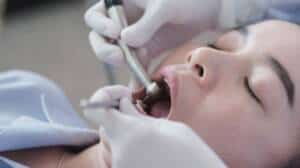
Severe Tooth Decay May Require Root Canal Treatment, Which Can Cause Teeth to Turn Grey
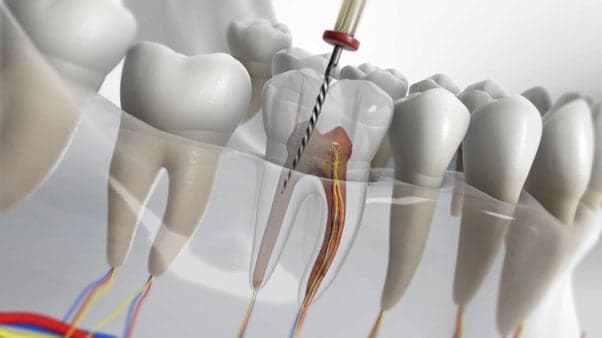
Dr. Yiu Ka Ki from the Hong Kong Sanatorium & Hospital Dental Centre explains that root canal treatment is a procedure in which the dentist removes certain nerve fibres and blood vessels from within the tooth. Some patients with severe tooth decay may need to undergo root canal treatment to prevent bacterial infection of the dental pulp and to preserve the tooth. Additionally, teeth that have suffered significant trauma, fractures, or other damage may also require root canal treatment, which similarly carries a risk of causing the tooth to turn grey.
After Internal Bleaching, Teeth Gradually Return to Their Natural Colour
Once the nerve tissue inside a tooth is damaged or the blood vessels are removed, the tooth may begin to turn grey. Dr. Yiu notes that this condition can be improved through internal bleaching. The procedure involves creating a small opening at the back of the tooth — or using an existing access cavity — to introduce a peroxide-based bleaching agent, which is then sealed. The patient returns for a follow-up appointment 7 to 10 days later for the dentist to assess the results.
Following internal bleaching, the tooth gradually returns to its natural colour. However, the time required and the final outcome depend on the degree of grey or dark discolouration present. In some cases, teeth that had turned grey-black after root canal treatment began to visibly lighten within fewer than three days of internal bleaching, eventually matching the shade of the surrounding teeth.
Internal Bleaching Requires Minimal Treatment Time but Must Be Performed by a Registered Dentist
Dr. Yiu points out that internal bleaching involves a short treatment duration and does not require cutting into the already compromised tooth, thereby minimising discomfort. It is important to note, however, that the bleaching agent used in internal bleaching contains peroxide and must be administered by a registered dentist. It must also be applied in accordance with safe dosage guidelines to avoid causing damage to the teeth and gums.
If the colour is still not satisfactory after bleaching, or the tooth is badly broken down, a dentist may discuss restorations such as a crown or a porcelain veneer. For veneer costs and lifespan, see Porcelain Veneers: 2026 Costs, Lifespan and Effect on Enamel.
Found this useful? Pass it on
One tap to send it to family or friends on WhatsApp.
Related Questions
How should I care for my tooth after root canal treatment to prevent fracture?
You should avoid eating hard foods (such as nuts, bones, or ice) during meals. You should also follow your dentist's instructions and have a crown fit...
Read related articleWhen can I eat after completing root canal treatment? What should I do if the pain is so severe I cannot sleep?
If temporary medication has been placed during the course of treatment, you should avoid biting on hard foods. If persistent severe pain occurs after...
Read related articleHow much does a root canal cost in Hong Kong?
About HK$4,000–8,000 per tooth at private clinics, HK$12,000–25,000 with a specialist or private hospital, crown extra from HK$4,500; eligible people...
Read related articleWill I definitely be in pain for a long time after a root canal?
Not necessarily. Most people only feel mild sensitivity or biting discomfort after treatment, which usually subsides over a few days to two or three w...
Read related article