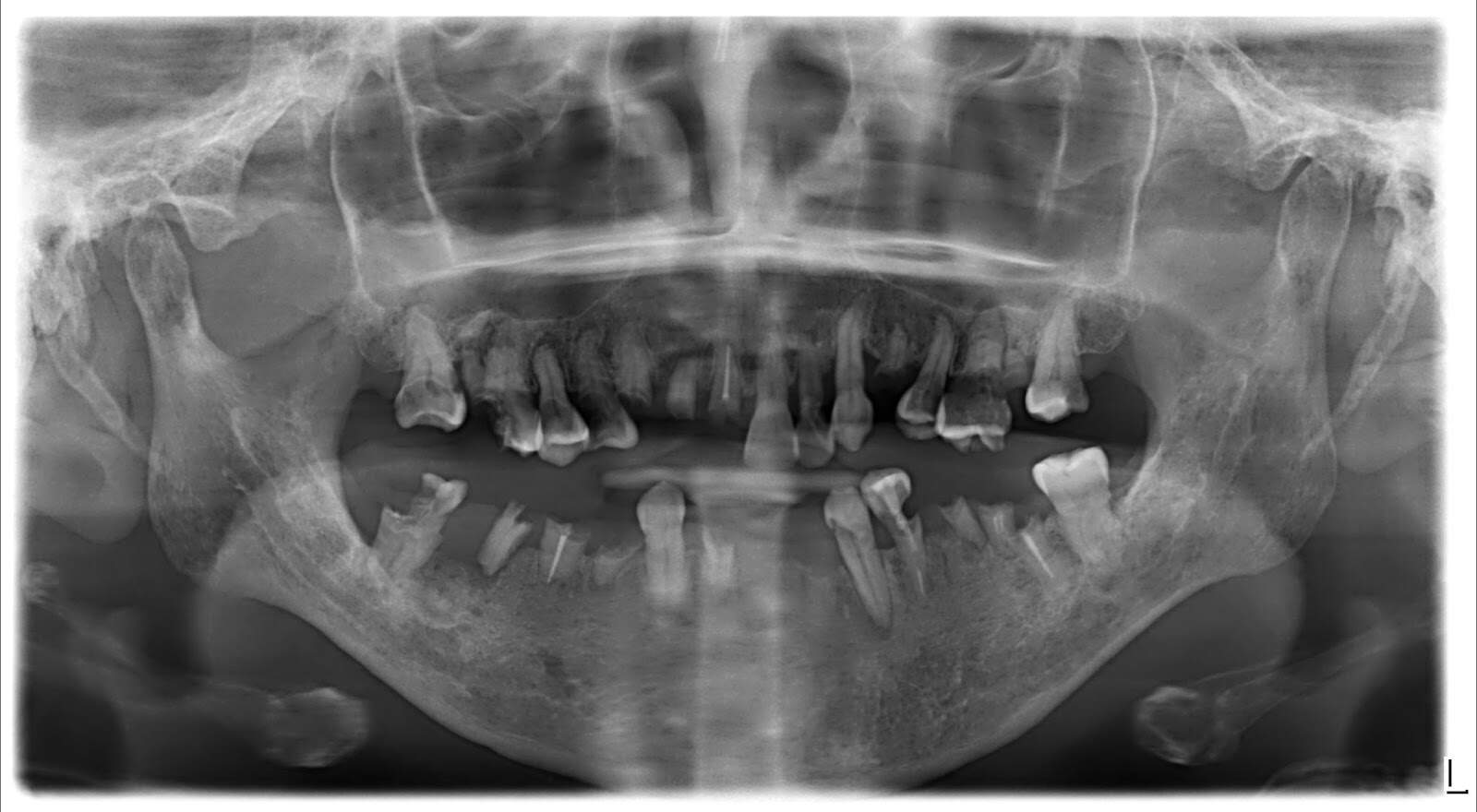
2026 Wisdom Tooth Extraction Aftercare: What to Eat? Complete Guide to Pain Relief, Swelling Reduction & Wound Healing
Written and reviewed by the HK Dental Guide editorial team · Updated 25 Sept 2026 · 4 min read

On this page(4)
The real challenge begins after your wisdom tooth surgery. Whether your procedure was a simple extraction or a complex surgical removal, proper post-operative care is the key to determining how quickly your wound heals and minimising complications. Common concerns such as "When can I eat after surgery?" or "How do I prevent gum inflammation?" will all be addressed in detail in this article.
1. The First 24 Hours After Surgery: Controlling Bleeding and Protecting the Blood Clot
The first 24 hours following surgery is the critical recovery window. The most important task during this period is to protect the blood clot over the wound — it acts as a natural "protective barrier" for healing.
-
Haemostasis strategy: Bite firmly on the gauze provided by your dentist for approximately 30 to 60 minutes to apply pressure and stop the bleeding.
-
Do not rinse or spit: The pressure created by frequent spitting or vigorous rinsing can dislodge the newly formed blood clot.
-
Ice pack for swelling: Intermittent icing can be applied within the first 24 hours after surgery — 15 minutes at a time — to effectively reduce post-operative facial swelling.
2. 2026 Post-Operative Dietary Guidelines
"What should I eat?" is one of the most frequently searched questions after surgery. We recommend a gradual dietary progression:
| Recovery Stage | Recommended Foods | Foods to Avoid |
| Days 1–2 (Liquid Diet) | Protein shakes, room-temperature congee, yoghurt, soft tofu | Hot, spicy, or hard foods |
| Days 3–5 (Soft Diet) | Minced meat congee, steamed egg, mashed potato, soft noodles | Fruits with small seeds (e.g. kiwi), popcorn |
| Day 7 onwards (Normal Diet) | Gradually return to a normal diet | Still avoid chewing on the side of the wound |
Important reminder: Do not drink through a straw. The negative pressure created by sucking can easily dislodge the blood clot, leading to dry socket.
3. How to Prevent Complications: Dry Socket and Infection
While mild swelling after wisdom tooth surgery is a normal response, it is important to be alert to abnormal signs:
-
Dry Socket: If you experience severe pain between days 3 and 5 after surgery that cannot be controlled by painkillers, the blood clot may have dislodged prematurely, exposing the underlying bone. Seek immediate dental attention.
-
Preventive cleaning: From the second day after surgery, you may gently rinse with warm salt water to maintain basic oral hygiene, but take care to avoid brushing directly over the wound site.
-
Avoiding harmful habits: Smoking and alcohol consumption significantly slow wound healing and increase the risk of infection. It is strongly advised to abstain from both for at least one week after surgery.
4. Expert Dental Advice: Post-Operative Cleaning Tools and Timing
Long-term oral health depends on establishing good cleaning habits.
-
Replace your toothbrush: After surgery, it is recommended to switch to a new toothbrush with a smaller head and softer bristles. This makes it easier to clean the back of the mouth during recovery and reduces the risk of infection from bacteria on your old toothbrush.
-
Regular monitoring: If you experience persistent fever, difficulty breathing, or severe bleeding after surgery, seek emergency dental treatment immediately.
Part 3: Frequently Asked Questions (FAQ Section)
-
Q1: What should I do if the pain after wisdom tooth extraction is so severe that I cannot sleep?
-
A: This is a common post-operative reaction. Take your prescribed painkillers on schedule as directed by your dentist. If severe pain persists after taking medication, contact your dental clinic — do not increase the dosage on your own.
-
-
Q2: When can the stitches be removed? Is it okay to leave them in?
-
A: If your dentist used dissolvable (absorbable) sutures, they will typically dissolve on their own within 1 to 2 weeks. If non-dissolvable sutures were used, you will need to return to the clinic after 7 to 10 days for your dentist to remove them.
-
-
Q3: Can I apply toothpaste directly to the wound to relieve pain after surgery?
-
A: Absolutely not. The chemical ingredients in toothpaste will irritate the wound and delay healing. Pain should be managed through oral medication and appropriate ice application.
-
Found this useful? Pass it on
One tap to send it to family or friends on WhatsApp.
Related Questions
Do I need to have my wisdom tooth extracted even if I have no pain?
Even in the absence of pain, if a wisdom tooth has erupted in a poor position that makes cleaning more difficult, the risk of tooth decay increases. T...
Read related articleHow much does wisdom tooth removal cost in Hong Kong in 2026?
Clinics: non-surgical HK$1,500–2,800, surgical from HK$3,500; HKU resident dentists from HK$3,500; private hospitals HK$10,000–25,000 [8][9][10][11][1...
Read related articleAre there risks associated with Monitored Anesthesia Care?
All forms of sedation involving medications carry inherent risks. Potential risks include respiratory depression, a drop in blood pressure, and allerg...
Read related article