2026 Hong Kong Wisdom Tooth Extraction Surgery: When Should You See a Specialist? Pricing, Risks & Specialist Referral Guide
Written and reviewed by the HK Dental Guide editorial team · Updated 26 Sept 2026 · 5 min read
On this page(4)
Fee benchmark: the sourced, dated public / subsidised / private / Shenzhen fee table for wisdom-tooth and simple extractions is at Wisdom tooth removal cost HK 2026; this article focuses on when you need a specialist.
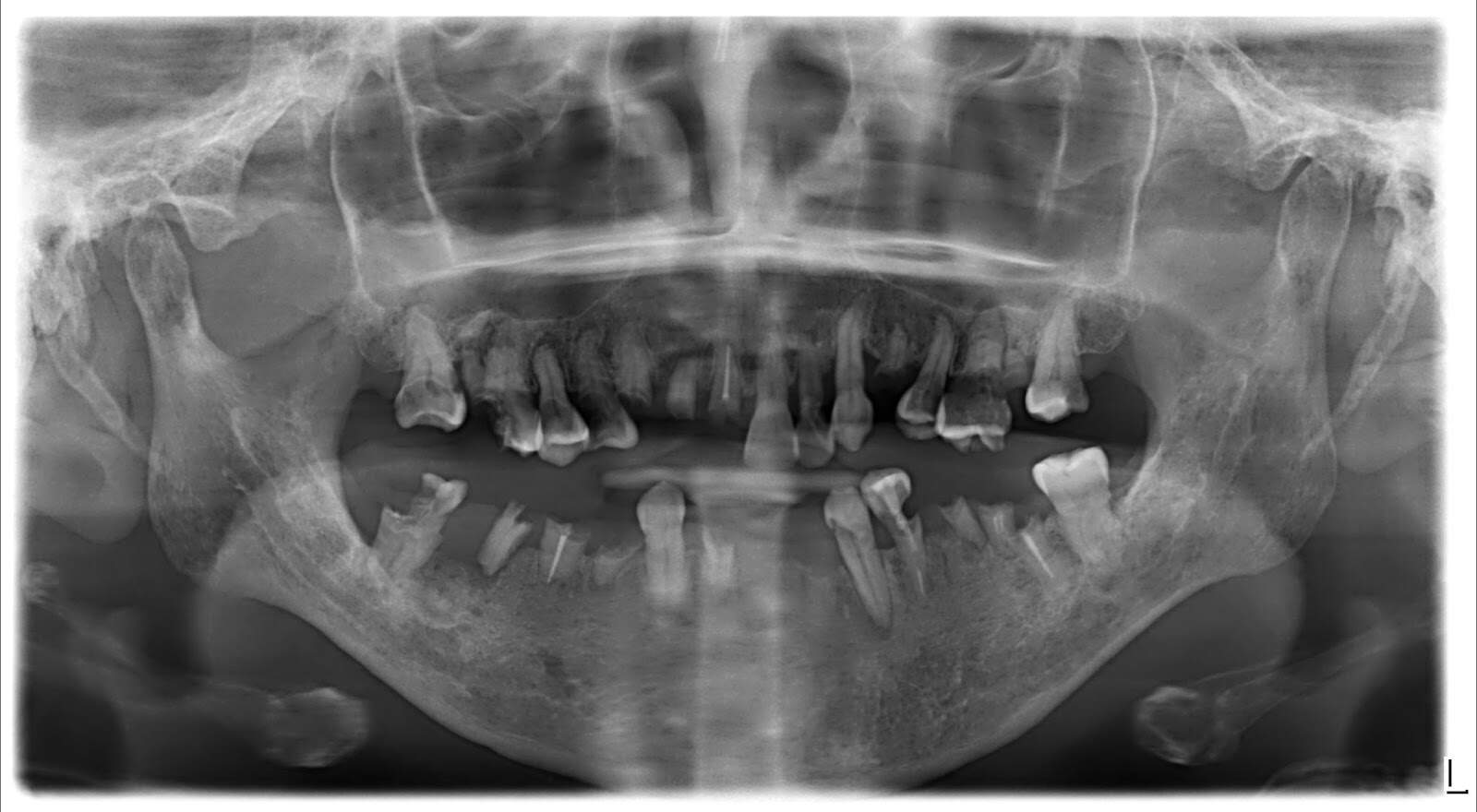
One day, a patient named Xiao Mei visited a dental clinic due to toothache and difficulty opening her mouth. After a clinical examination and X-ray, it was found that an impacted lower wisdom tooth was the cause. Due to insufficient space in the oral cavity, the wisdom tooth was unable to erupt properly, leading to gum inflammation and even localised periodontal disease and tooth decay in the adjacent molar. In 2026, many patients in Hong Kong face the same dilemma as Xiao Mei: should you see a general dentist or a specialist for wisdom tooth extraction? And why, when the pain is unbearable, does the dentist recommend taking medication to reduce inflammation first rather than proceeding with surgery immediately?
Part 1: General Dentist vs. Specialist — How Should Patients Choose?
In most cases, a general dentist is well-equipped to handle routine tooth extractions. However, for the following complex situations, it is advisable to seek the assistance of an Oral and Maxillofacial Surgery specialist:
-
Severely impacted teeth: If the tooth is located below the gum line and requires incision of the gum tissue and removal of part of the alveolar bone for extraction, such complex procedures are preferably performed by an experienced specialist.
-
Proximity to critical anatomical structures: For example, lower wisdom teeth located close to the inferior alveolar nerve, or upper wisdom teeth in close proximity to the maxillary sinus. A specialist can significantly reduce the risk of sinus perforation or nerve damage.
-
Fractured or broken teeth: If the tooth structure is already compromised, conventional extraction methods may cause further fracturing. A specialist dentist can precisely section the tooth and remove it with minimal trauma.
-
Dental anxiety: For patients who experience extreme anxiety, a specialist can provide general anaesthesia or monitored anaesthesia (IV Sedation), allowing the patient to remain in a sleep-like state throughout the procedure.
Part 2: 2026 Hong Kong Wisdom Tooth Surgery Fee Reference Table
Fees are affected by the complexity of the procedure, the type of anaesthesia used, and whether a specialist referral is involved.
| Service Type | General Dentist Reference Price | Specialist Reference Price |
| Simple Extraction (No Surgery) | HK$800 - $1,500 | HK$2,500 - $4,000 |
| Impacted Wisdom Tooth Surgery (Surgical Extraction) | HK$3,000 - $6,500 | HK$8,000 - $15,000 |
| General Anaesthesia / IV Sedation Fee | Referral to clinic/hospital required | HK$5,000 - $12,000 (additional) |
Part 3: Why Can't the Tooth Be Extracted Immediately When There Is Pain and Inflammation?
As in Xiao Mei's case, when a dentist finds that a patient is in severe pain and unable to open their mouth, they will typically advise taking medication first to reduce inflammation and relieve pain. This is because:
-
Reduced efficacy of local anaesthesia: In the acidic environment of acute inflammation, local anaesthetic agents become less effective, meaning the patient may experience significant pain during the procedure.
-
Risk of infection spreading: Performing surgery during active inflammation greatly increases the risk of bacteria spreading through the bloodstream to surrounding tissues.
-
Limited mouth opening: Acute inflammation frequently causes trismus (lockjaw), making it difficult for the dentist to obtain adequate surgical access and visibility.
Part 4: If My Wisdom Tooth Doesn't Hurt, Do I Still Need to Have It Removed?
"If the wisdom tooth doesn't hurt, there's no need to remove it" is a common misconception. Even in the absence of pain, extraction should still be considered if the tooth is poorly positioned.
-
Preventive extraction: A poorly positioned wisdom tooth increases the difficulty of oral hygiene, leading to tooth decay in adjacent teeth, periodontal disease, and potentially serious odontogenic cysts — in severe cases, these can even pose a life-threatening risk.
-
When extraction is not necessary: A wisdom tooth may be retained only if it has erupted fully and in proper alignment, with a normal bite and no interference with daily oral hygiene.
Section 3: Frequently Asked Questions (FAQ)
-
Q1: How do I know whether my case requires a specialist referral?
-
A: Tooth extraction is an irreversible procedure. You should first consult a general dentist, who will conduct a clinical examination and X-ray assessment. If a higher level of risk is identified (e.g., proximity to a nerve), the general dentist will issue a referral letter to a specialist.
-
-
Q2: Does having a specialist perform the extraction guarantee that the nerve won't be damaged?
-
A: No surgical procedure is entirely without risk; however, a specialist possesses the advanced skills required to manage highly complex impacted teeth, minimising the risk of nerve injury to the greatest extent possible.
-
-
Q3: Can I use medical vouchers for wisdom tooth extraction in Hong Kong in 2026?
-
A: Many private dental clinics participating in the medical voucher scheme accept vouchers to offset part of the surgical fees. It is recommended that you confirm the fee details and deduction limits with the clinic when making your appointment.
-
Q2: Do I need to have my wisdom tooth extracted even if I have no pain?
Even in the absence of pain, if a wisdom tooth has erupted in a poor position that makes cleaning more difficult, the risk of tooth decay increases. This also raises the risk of inflammation affecting both the wisdom tooth and the adjacent teeth. Therefore, to prevent such complications from arising in the future, a wisdom tooth that is poorly positioned should be extracted.
Q3: Does every wisdom tooth need to be extracted?
Not necessarily. Only wisdom teeth that are poorly positioned or that affect the patient's daily life require extraction. If a wisdom tooth erupts in a fully upright position just like a normal tooth, causes no issues with the bite, and does not interfere with routine oral hygiene, it can be retained.
If you have any concerns, please contact your trusted family dentist for a consultation.
※ Actual fees depend on case difficulty.
Found this useful? Pass it on
One tap to send it to family or friends on WhatsApp.
Related Questions
How much does wisdom tooth removal cost in Hong Kong in 2026?
Clinics: non-surgical HK$1,500–2,800, surgical from HK$3,500; HKU resident dentists from HK$3,500; private hospitals HK$10,000–25,000 [8][9][10][11][1...
Read related articleAre there risks associated with Monitored Anesthesia Care?
All forms of sedation involving medications carry inherent risks. Potential risks include respiratory depression, a drop in blood pressure, and allerg...
Read related articleWhat should I do if the pain after wisdom tooth extraction is so severe that I cannot sleep?
This is a common post-operative reaction. Take your prescribed painkillers on schedule as directed by your dentist. If severe pain persists after taki...
Read related article