Wisdom Tooth Inflammation and Swelling: What to Do? 2026 Hong Kong Wisdom Tooth Extraction Cost and Surgical Procedure Complete Guide
David Lin · Updated 2 Mar 2026 · 8 min read

Quick Answers: What Are Wisdom Teeth? Do All Wisdom Teeth Need to Be Removed?
Wisdom teeth, medically known as "third molars," typically emerge at the very back of the mouth between the ages of 17 and 25. Not every person's wisdom teeth need to be extracted. If your wisdom tooth has erupted in a straight position, fully emerged, and can be thoroughly cleaned with regular brushing and flossing without causing tooth decay or inflammation, it may be retained. However, modern individuals generally have smaller jawbones, often leaving insufficient space for wisdom teeth to erupt properly. This can lead to impaction — the teeth may grow sideways, at an angle, or remain completely embedded within the jawbone. When an impacted wisdom tooth presses against the adjacent second molar, or is partially covered by gum tissue creating a difficult-to-clean pocket, bacteria accumulate and can cause recurrent inflammation (pericoronitis) or severe tooth decay. In such cases, dentists typically strongly recommend early extraction.Simple Extraction vs. Surgical Removal of Impacted Wisdom Teeth: A Cost and Complexity Comparison
Many patients mistakenly assume that the cost of all tooth extractions is similar. In reality, "simple extraction" and "surgical removal of an impacted wisdom tooth" differ vastly in technical complexity, equipment requirements, and cost. The following table provides a clear comparison:| Comparison | Simple Extraction | Surgical Removal of Impacted Wisdom Tooth |
|---|---|---|
| Indications | Tooth is fully erupted, not impacted, with no curved roots. | Tooth is horizontal, angulated, embedded in the jawbone, or in close proximity to the nerve. |
| Hong Kong Market Price Range (per tooth) | HK$800 - HK$1,500 | HK$3,500 - HK$8,000+ |
| Estimated Recovery Time | 1 – 3 days | 5 – 7 days (depending on wound size and extent of bone removal) |
| Common Anaesthesia Method | Local anaesthesia | Local anaesthesia / Monitored Anaesthesia Care (MAC) / IV sedation |
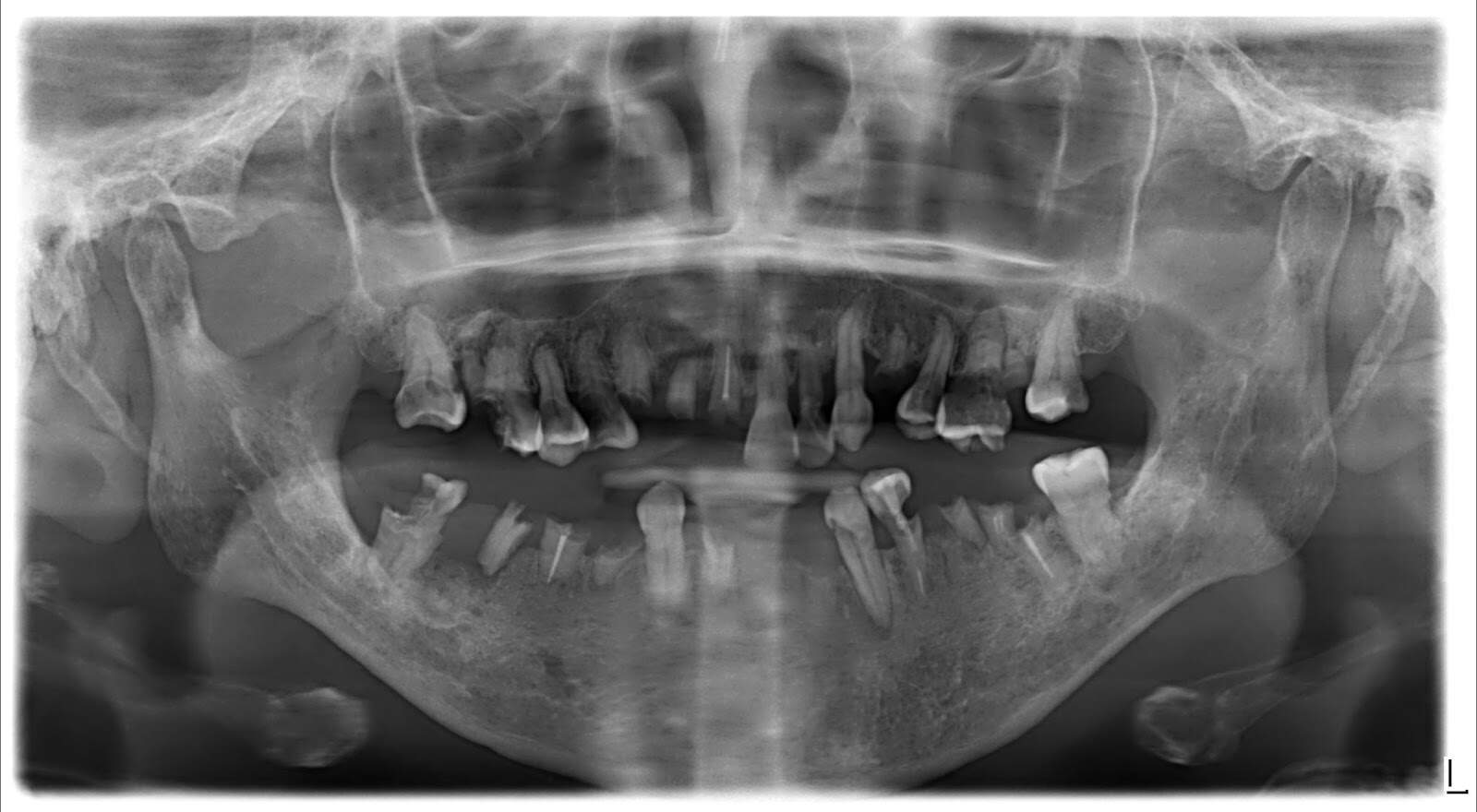
Figure 1: An untreated impacted wisdom tooth can easily lead to pericoronitis or decay of the adjacent tooth. This X-ray shows a wisdom tooth requiring surgical removal.
The Pain and Hidden Risks of Wisdom Tooth Inflammation: Why You Must Not Delay
Many patients who seek dental care only do so when the pain becomes so severe they can no longer eat. We fully understand that unbearable, all-consuming discomfort. However, you must know that for impacted wisdom teeth, relying on painkillers is merely treating the symptom, not the cause. Delaying extraction may lead to the following three serious consequences:- Losing Two Teeth Instead of One: The space between an impacted wisdom tooth and the adjacent second molar is extremely prone to trapping food debris. Prolonged bacterial erosion can not only cause decay in the wisdom tooth itself, but also penetrate the healthy molar in front of it. In the worst-case scenario, the nerve of the adjacent tooth dies, ultimately requiring the extraction of both teeth simultaneously.
- Cellulitis: If bacteria from pericoronitis spreads to the deep tissues of the face and neck, it can trigger severe cellulitis, causing high fever, difficulty breathing, and even life-threatening complications.
- Increased Risk of Nerve Damage: The roots of lower wisdom teeth are often in very close proximity to the inferior alveolar nerve. As we age, the jawbone becomes denser and the tooth roots grow deeper. Delaying treatment until later in life significantly increases the difficulty of extraction. Furthermore, if the procedure is performed at a clinic lacking 3D cone beam CT (CBCT) imaging equipment, accidental nerve injury could result in permanent numbness of the lower lip and chin.
2026 Update: Wisdom Tooth Surgical Extraction — Procedure Breakdown and Fees
In Hong Kong, the cost of wisdom tooth surgical extraction primarily reflects the complexity of the procedure, the standard of sterility maintained, and the precision required in managing nerve proximity risks. Generally speaking, upper wisdom teeth are usually easier to remove and carry lower fees, while lower impacted wisdom teeth — particularly those requiring incision of the gum tissue, removal of obstructing bone, or sectioning of the tooth (odontectomy) — are classified as minor surgical procedures and are priced accordingly.The 5 Standard Steps of a Pain-Free Wisdom Tooth Surgical Extraction:
- Precise Pre-operative Assessment: Prior to surgery, the dentist must take an orthopantomogram (OPG) panoramic X-ray. If the tooth roots are found to be in extremely close proximity to the nerve, a professional dental centre will utilise advanced 3D cone beam CT (CBCT) imaging for three-dimensional localisation, accurately calculating the safe margin and minimising surgical risk.
- Pain-Free Anaesthesia: Following local anaesthetic injection, the surgical area will be completely numb. For patients who are highly anxious or fearful of dental sounds, certain clinics holding Day Procedure Centre (DPC) accreditation can arrange for a specialist anaesthetist to be present on-site, providing Monitored Anaesthesia Care (MAC) or IV sedation — allowing you to undergo the procedure in a relaxed, semi-conscious state with no distressing memories of the surgery.
- Flap Incision and Minimally Invasive Bone Removal: If the wisdom tooth is covered by gum tissue, the dentist will make a small incision (flap), then use specialised instruments to precisely remove a minimal amount of bone obstructing the tooth.
- Sectioning and Safe Extraction: To minimise the size of the wound and protect the nerve, the dentist will section the wisdom tooth into several smaller pieces and remove them one by one safely.
- Suturing and Haemostasis: After thoroughly clearing inflamed tissue and bone fragments from the wound, the dentist will close the wound with sutures and instruct you on how to apply firm pressure with gauze to control bleeding.
Figure 2: Through 3D cone beam CT scanning, the dentist can accurately assess the position of the wisdom tooth relative to the nerve, reducing surgical risk.
Essential Reading Before Wisdom Tooth Extraction: Frequently Asked Questions (FAQ)
Q1: Is surgical wisdom tooth extraction really painful? I'm very nervous!
This is absolutely the most frequently asked question! Please be reassured — the procedure itself is completely pain-free under adequate anaesthesia. Once the anaesthetic wears off, you may experience mild to moderate swelling and soreness at the wound site, which is a normal part of the body's healing response. As long as you take the prescribed painkillers and anti-inflammatory medication on schedule, discomfort can typically be managed effectively. If you opt for sedation at an accredited Day Procedure Centre, you will have no distressing memory of the procedure whatsoever.Q2: How long will my face be swollen after surgery? How long until it fully recovers?
Generally, facial swelling peaks around the 2nd to 3rd day after surgery and then gradually subsides. Approximately one week later, you will need to return to the clinic for suture removal (if non-dissolvable sutures were used). The surface gum tissue typically heals within 1–2 weeks, while the underlying jawbone takes several months to fully regenerate.Q3: Will my medical insurance cover wisdom tooth extraction? Can I make a claim?
This depends on the terms and conditions of your individual policy. In general, if the procedure is performed out of "medical necessity" — for example, if the wisdom tooth is impacted and has caused inflammation, tooth decay, or a cyst — most corporate medical insurance plans (particularly those covering inpatient or day surgery benefits) may cover the surgical fees incurred at a Day Procedure Centre. We recommend consulting your insurance broker for claim details before undergoing the procedure.Figure 3: Following the dentist's post-operative instructions — including ice application and maintaining good oral hygiene — helps accelerate wound healing and prevents dry socket.
Conclusion: Don't Let Wisdom Teeth Become a Ticking Time Bomb
Wisdom tooth problems can range from minor to serious. Early detection and treatment can prevent more costly and painful procedures down the line. If you are suffering from swollen, painful gums, or are unsure whether you need an extraction, do not delay. Seek an assessment from a professional dental team and have the procedure performed at a clinic with properly accredited facilities — the safest and most reassuring way to resolve your wisdom tooth concerns. Unsure whether your wisdom tooth requires surgery? We recommend booking an appointment with a professional dentist for an initial X-ray examination and assessment today!※ The above are reference ranges compiled from public market data. Actual fees vary by clinic tier, dentist seniority, and case complexity, and do not represent any specific clinic's quote.
Related Questions
Do I need to have my wisdom tooth extracted even if I have no pain?
Even in the absence of pain, if a wisdom tooth has erupted in a poor position that makes cleaning more difficult, the risk of tooth decay increases. T...
Read related articleWhat should I know about 2026 Hong Kong Wisdom Tooth Extraction Surgery: When Should You See a Specialist? Pricing, Risks & Specialist Referral Guide?
Open the related article for details.
Read related articleWhat should I know about Smart Clinic Matching Recommendations: Find the Most Suitable Dental Clinic for You Instantly!?
Open the related article for details.
Read related articleWhat should I know about 2026 Wisdom Tooth Extraction Cost | Specialist Fees, Impacted Tooth Types & Post-Operative Care Complete Guide?
Open the related article for details.
Read related articleWhat should I know about 【Wisdom Tooth Myths】Can Tooth Extraction Slim Your Face? A Dental Nurse Debunks 3 Must-Remove Situations and the Optimal Treatment Window?
Open the related article for details.
Read related article