Toothpaste Ingredients Fully Decoded: 2026 Hong Kong Dental Care Guide and How to Choose Correctly
David Lin · Updated 8 Mar 2026 · 5 min read
The Importance of Choosing the Right Toothpaste: More Than Just Cleaning
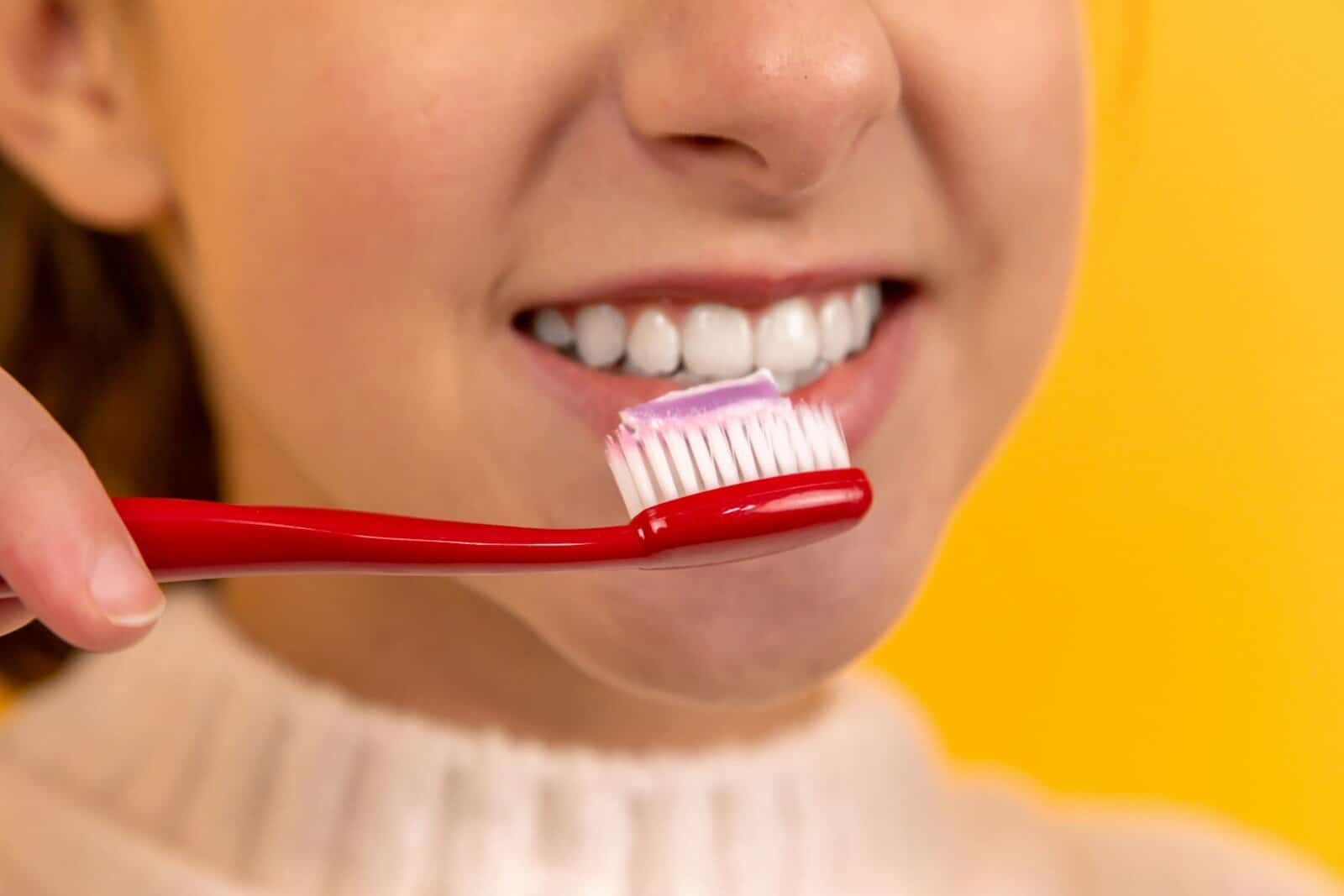
In daily oral care, toothpaste plays a critically important role. However, with so many products available on the market, consumers are often misled by exaggerated marketing claims. As an independent dental health information platform, Hong Kong Dental Guide aims to objectively analyse the ingredients and actual efficacy of various toothpastes from a medical perspective. Choosing the right toothpaste not only aids in cleaning but can also address specific oral health concerns, such as early-stage tooth decay repair or tooth sensitivity. It is important to emphasise, however, that toothpaste is supplementary in nature and cannot replace professional dental treatment. Should any abnormalities arise in your oral condition, it remains necessary to consult a registered dentist.With so many toothpaste functions available on the market, consumers should make informed choices based on ingredient labels.
In-Depth Analysis: Three Common Types of Toothpaste
1. Fluoride Toothpaste: The Gold Standard for Cavity Prevention
Fluoride toothpaste is currently recognised by the dental community as the most effective product for preventing tooth decay. Fluoride promotes remineralisation of the tooth surface, repairing minerals lost in the early stages of decay and thereby strengthening tooth enamel.- How it works: When bacteria in the mouth break down sugars and produce acidic by-products, tooth enamel becomes damaged. Fluoride ions bond with the tooth structure to form fluorapatite, which is more resistant to acid erosion.
- Selection advice: Most adults are advised to use toothpaste with a fluoride concentration of between 1,000ppm and 1,450ppm. If a visible cavity has already developed, toothpaste alone cannot repair it — you should schedule a dental filling as soon as possible to prevent bacterial infection of the dental pulp, which may otherwise necessitate root canal treatment.
2. Whitening Toothpaste: Efficacy and Potential Risks
Many people in pursuit of a brighter smile tend to purchase whitening toothpaste. These products typically contain abrasive agents (such as aluminium oxide or calcium carbonate) or chemical bleaching ingredients (such as hydrogen peroxide).- Role of abrasives: Physical abrasion removes extrinsic stains on the tooth surface, such as those caused by tea or coffee.
- Potential risks: Long-term use of toothpaste with a high Relative Dentin Abrasivity (RDA) value may wear down the enamel on the tooth surface, potentially causing tooth sensitivity and even exposing the underlying dentine — which has a naturally yellowish hue — making teeth appear more yellow over time.
- Medical advice: Whitening toothpaste cannot alter the natural shade of your teeth. For safe and effective improvement of tooth colour, consult a dentist about LED/blue light whitening or porcelain veneer treatments.
Understanding ingredient differences helps avoid enamel damage caused by excessive abrasion.
3. Children's Toothpaste: Fluoride Concentration Is Key
When selecting children's toothpaste, parents should pay closest attention to the fluoride concentration. Fluoride levels that are too high may cause dental fluorosis if ingested in large amounts by children; levels that are too low will be ineffective in preventing tooth decay.- Ages 0–3: Toothpaste with a fluoride concentration of 1,000ppm is recommended, using an amount approximately the size of a grain of rice.
- Ages 3–6: Toothpaste with a fluoride concentration of 1,000ppm to 1,450ppm is recommended, increasing the amount to approximately the size of a pea.
- Flavour selection: Children's toothpaste is often fruit-flavoured to improve acceptance, but parents must supervise children to ensure they do not swallow it.
Frequently Asked Questions (FAQ)
Q1: Can toothpaste remove tartar (dental calculus)?
No, it cannot. Toothpaste primarily functions to remove dental plaque and soft deposits. Once plaque has calcified into hardened tartar, no toothpaste — regardless of type — is capable of removing it. Regular professional scaling and cleaning by a dentist or dental hygienist is essential, using ultrasonic instruments to break up and remove tartar, which is the only effective way to prevent periodontal disease.Q2: Should you wet the toothbrush before applying toothpaste?
This is a common misconception. In most cases, the saliva already present in the mouth is sufficient to generate a lather without adding water. Excess water may actually dilute the active ingredients in toothpaste — such as fluoride — reducing its protective benefits. It is recommended to apply toothpaste directly onto a dry toothbrush.Q3: Does desensitising toothpaste actually work?
Desensitising toothpaste typically contains potassium salts (such as Potassium Nitrate) or ingredients that occlude the dentinal tubules (such as Arginine), which work by blocking nerve signal transmission or sealing exposed microscopic channels. Continuous use for two to four weeks is generally required before results are noticeable. If sensitivity persists or worsens after discontinuing use, this may be an early warning sign of a cracked tooth or pulpitis, and prompt examination is advised.Using the correct amount of toothpaste and brushing technique is more important than relying solely on a particular toothpaste brand.
Conclusion: How to Make an Informed Choice
In summary, toothpaste selection should be guided first and foremost by functionality and ingredients, rather than by brand or packaging. For the general public, fluoride toothpaste forms the foundation of cavity prevention; for those with specific needs (such as tooth sensitivity), a corresponding functional toothpaste may be chosen. Please bear in mind that good home care must be complemented by regular professional check-ups. It is advisable to seek routine dental examinations at day clinics or dental practices equipped with thorough sterilisation facilities and transparent fee structures, in order to ensure long-term oral health.Related Questions
If my child's gums bleed after scaling, does that mean the dentist was too rough?
Mild discomfort or gum bleeding in the days following scaling is normal. This is typically caused by mild gum inflammation triggered by pre-existing p...
Read related articleWhat should I know about 2026 Complete Guide to Children's Dental Cleaning: What Age to Start? Expert Advice on Cavity Prevention and Baby Tooth Care?
Open the related article for details.
Read related articleWhen buying a toothbrush in Hong Kong in 2026, does a more expensive brand necessarily mean better quality?
Not necessarily. As Professor Chu points out, brush head shape and handle design come down to personal preference. As long as the bristles are soft an...
Read related articleWhat should I know about 2026 Hong Kong Complete Toothbrush Selection Guide: Manual or Electric — Which Is Better? Professor Zhu Zhenxiong Teaches You How to Choose the Right Brush Head by Age?
Open the related article for details.
Read related articleWhy should I not brush my teeth immediately after an acid reflux episode?
Stomach acid temporarily softens the tooth enamel. If you brush immediately, the physical friction of the toothbrush will directly abrade the weakened...
Read related article