The Complete Toothpaste Buying Guide: 2026 Hong Kong Dental Care Guide (Fluoride, Whitening & Sensitivity Ingredients Explained)
David Lin · Updated 6 Mar 2026 · 4 min read
The Importance of Choosing the Right Toothpaste
In daily oral care, toothpaste is more than just a cleaning agent — it serves as the first line of defence against oral disease. With a vast array of products on the market, from whitening formulas to those designed for sensitive teeth, consumers often find it difficult to choose. This guide draws on medical evidence and the testing standards of the Consumer Council to provide an in-depth analysis of the efficacy of different ingredients, helping you make an informed decision.
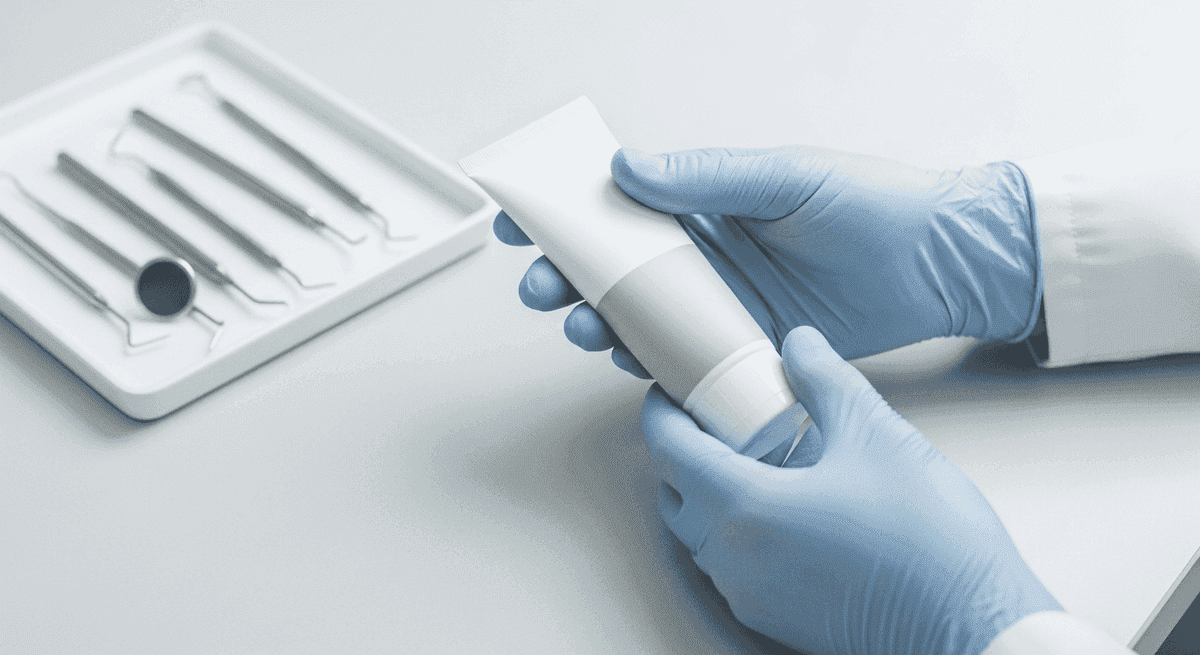
Choosing the right toothpaste is the first step in daily oral care, and works effectively alongside mechanical cleaning.
A Deep Dive into Toothpaste Ingredients: What Do You Really Need?
To meet the ideal standard for toothpaste recommendations, understanding the ingredients comes first. Many people are easily misled by advertising claims, but according to dental guidelines, here is a medical breakdown of several key ingredients:
1. Fluoride Toothpaste: The Gold Standard for Cavity Prevention
Fluoride toothpaste is currently recognised by the medical community as the most effective tool for preventing tooth decay. Fluoride helps repair early enamel damage and strengthens teeth against acid erosion through remineralisation. Adults are generally advised to use products with a fluoride concentration of between 1,000 and 1,450 ppm. Without adequate fluoride protection over time, teeth become vulnerable to bacterial acid attack, forming cavities that may ultimately require a dental filling or even more extensive restorative treatment.
2. Whitening Toothpaste: How It Works and the Risks Involved
Many people desire a brighter smile, but does whitening toothpaste actually work? These products typically contain coarser abrasives (such as hydrated silica) or chemical agents (such as peroxides) that remove extrinsic stains on the tooth surface (e.g., coffee and tea stains) through physical abrasion. However, consumers should be aware that excessive use of highly abrasive products may wear down enamel, leading to tooth sensitivity or gum damage. For intrinsic discolouration or more noticeable results, toothpaste alone is unlikely to suffice, and professional advice is recommended.
Understanding toothpaste ingredient labels helps prevent excessive wear to the tooth surface.
3. Sensitivity Toothpaste and Other Specialised Formulas
For those with sensitive teeth, formulas containing Potassium Nitrate or arginine can help seal exposed dentinal tubules, relieving discomfort caused by hot and cold stimuli. There are also gum care formulas that claim to reduce plaque build-up. However, toothpaste is only a supplementary tool — it must be used alongside professional scaling and cleaning every six months to thoroughly remove calculus and effectively prevent periodontal disease.
Frequently Asked Questions (FAQ)
Q1: Should children use fluoride toothpaste?
According to recommendations from the Hong Kong Department of Health, children should begin brushing as soon as their first tooth erupts. For children under 2 years of age, a dentist may recommend a minimal smear of fluoride toothpaste if there is an assessed risk of tooth decay. Children aged 2 to 6 should use a pea-sized amount, with a generally lower fluoride concentration (e.g., 500–1,000 ppm) to avoid ingesting excessive fluoride, which may lead to dental fluorosis.
Q2: Is more toothpaste better?
This is a common misconception. Using too much toothpaste is not only wasteful — the excess foam it produces may give the false impression that brushing is complete, leading people to cut short their brushing time and compromising cleaning effectiveness.
Q3: Can toothpaste treat severe toothache?
No. The primary function of toothpaste is cleaning and prevention. Spontaneous toothache or pain at night may be a sign of pulp inflammation, in which case sensitivity toothpaste will be ineffective. You should seek a dental examination as soon as possible to determine whether root canal treatment is needed to save the tooth.
Q4: If severe periodontal disease has caused loose teeth, will switching toothpaste help?
When periodontal disease has progressed to the point of tooth mobility, it indicates that the alveolar bone has already been damaged — no toothpaste can reverse this condition. If left untreated, it may ultimately be necessary to extract the affected tooth and consider a dental implant to restore chewing function.
Adults only need a pea-sized amount of toothpaste to achieve effective cleaning.
Summary: How to Make an Informed Choice
In summary, selecting a toothpaste should be based on meeting adequate fluoride content, with adjustments made according to individual oral health needs (such as sensitivity or staining concerns). With so many options available, consumers are advised to refer to objective toothpaste recommendations and to remember: regardless of which product you use, proper brushing technique, flossing, and regular professional dental check-ups remain the keys to maintaining good oral health.
Related Questions
If my child's gums bleed after scaling, does that mean the dentist was too rough?
Mild discomfort or gum bleeding in the days following scaling is normal. This is typically caused by mild gum inflammation triggered by pre-existing p...
Read related articleWhat should I know about 2026 Complete Guide to Children's Dental Cleaning: What Age to Start? Expert Advice on Cavity Prevention and Baby Tooth Care?
Open the related article for details.
Read related articleWhen buying a toothbrush in Hong Kong in 2026, does a more expensive brand necessarily mean better quality?
Not necessarily. As Professor Chu points out, brush head shape and handle design come down to personal preference. As long as the bristles are soft an...
Read related articleWhat should I know about 2026 Hong Kong Complete Toothbrush Selection Guide: Manual or Electric — Which Is Better? Professor Zhu Zhenxiong Teaches You How to Choose the Right Brush Head by Age?
Open the related article for details.
Read related articleWhy should I not brush my teeth immediately after an acid reflux episode?
Stomach acid temporarily softens the tooth enamel. If you brush immediately, the physical friction of the toothbrush will directly abrade the weakened...
Read related article