Skip to content Skip to sidebar Skip to footer
gum-problems-treatment-guide-hk

牙肉問題全解析:2026香港牙科收費指南及牙肉萎縮護理貼士

成人牙肉護理全攻略:2026 香港牙科收費指南及預防牙肉萎縮必讀 牙肉健康是口腔衛生的基礎,然而許多香港市民往往忽略了早期的牙肉問題警號,直到出現牙齒鬆動才求醫。根據牙科臨床數據,牙齦紅腫、流血及萎縮是牙周病最常見的初期症狀。作為獨立的消費者資訊平台,香港牙科指南 (HKDentalGuide) 旨在提供客觀、具科學根據的牙科護理知識,協助市民了解由牙菌斑到牙結石的演變過程,以及相關的治療收費標準。 定期檢查有助及早發現牙肉問題,預防病情惡化。 1. 牙菌斑與牙結石:牙肉問題的始作俑者 所有嚴重的牙周疾病,幾乎都始於微小的牙菌斑(Dental Plaque)。這是一層無色且黏稠的細菌薄膜,若未能透過正確的刷牙方式、使用牙線或水牙線徹底清除,會引發牙齦炎並演變成更嚴重的問題。 牙結石會自己消失嗎? 許多市民常有疑問:「牙結石會自己消失嗎?」答案是不會。當牙菌斑在 24 至 48 小時內與唾液礦物質結合便會鈣化成堅硬的牙結石。一旦形成,日常刷牙已無法將其清除,必須尋求專業洗牙。 2. 2026 香港洗牙及深層洗牙收費指南 在 2026 年的香港市場,根據病情的嚴重程度,治療費用參考如下: 治療項目 2026 參考收費 (HKD) 適用情況 常規洗牙 (Scaling) $500 - $1,000 輕微牙石、預防性護理 深層洗牙 (Root Planing) $5,000 - $25,000 嚴重牙周病、牙根刮治 牙科全景 X 光檢查 $800 - $1,500 評估牙槽骨萎縮程度 牙結石若不清除,會導致牙肉萎縮及牙槽骨流失。 3. 牙肉萎縮護理與維他命建議 牙肉萎縮會導致牙根外露並引發牙齒敏感。雖然萎縮過程不可逆,但適當的營養攝取能鞏固現有組織。關於牙肉萎縮維他命的建議: 維他命 C: 促進膠原蛋白合成,維持牙齦彈性。 維他命 D 與鈣質: 鞏固牙槽骨密度,防止惡化。 抗氧化劑: 減少慢性發炎,預防極罕見但需警惕的牙齦癌風險。 常見問題 (FAQ) Q1: 牙石脫落方法有哪些?可以在家自行去除嗎? 唯一安全且有效的牙石脫落方法是由註冊牙醫使用超聲波儀器清除。在家自行「摳除」極易引發感染及損害琺瑯質。 Q2: 使用水牙線能取代傳統牙線嗎? 不能。水牙線有助清潔食物殘渣,但在物理性刮除牙菌斑的效果上,傳統牙線仍不可或缺。建議兩者結合使用。 Q3: 牙肉問題會影響種牙或杜牙根嗎? 會。嚴重的牙周問題會降低種牙成功率。在進行杜牙根前,亦需確保周圍牙肉健康以保證療程長久效果。 諮詢專業牙醫意見,制定合適的治療計劃。…

Read More

adult-orthodontics-guide-hk-2026

成人箍牙全攻略:2026香港牙科收費指南及矯齒必讀事項

成人箍牙全攻略:2026香港牙科收費指南及矯齒必讀事項 在過去,牙齒矯正往往被視為青少年的專利,但隨著醫療技術的進步及對個人形象要求的提升,成人箍牙已成為近年香港牙科服務中增長最快的項目之一。不少成年人希望透過矯齒改善咬合問題、提升外觀自信,甚至解決因牙齒排列不整而引起的牙周病風險。作為獨立的消費者醫療指南,香港牙科指南將從客觀角度,為您剖析成人矯齒的各個重要環節。 成人矯齒與青少年矯齒最大的分別在於骨骼發育已完成,牙齒移動速度相對較慢,且成年人常伴隨其他口腔問題,如蛀牙或牙周病,因此在療程規劃上需要更為周全的考量。在開始任何矯齒療程前,專業牙醫通常會建議先進行全口檢查及洗牙,確保口腔環境健康。 進行成人箍牙前,必須先透過詳細的臨床檢查及X光片評估牙槽骨健康。 2026 香港成人矯齒方案收費參考 選擇矯齒方案時,價格通常是首要考量。以下是 2026 年香港私家牙科診所的最新預算參考: 矯齒方案類型 參考收費 (HKD) 適合對象 療程長短 傳統金屬牙箍 $25,000 - $45,000 預算有限、複雜咬合 18 - 24 個月 陶瓷牙箍 (半隱形) $35,000 - $55,000 在職人士、需兼顧美觀 18 - 24 個月 隱適美 (Invisalign) $35,000 - $65,000 追求便利、自律性高 12 - 18 個月 自助式/輕量隱形牙套 $14,980 - $29,800 輕微擠擁、門牙微調 4 - 10 個月 舌側牙箍 (完全隱形) $60,000 - $100,000+ 極高美觀要求個案 24 個月以上 注意: 以上費用通常包含基本檢查與模型,但 X 光片檢查 (約 $1,500) 及拔牙費用 (每隻約 $800 - $1,500) 往往需要額外計算。 成人矯齒方案深度剖析 香港市面上的方案主要分為三大類。選擇哪種方案取決於您的預算、生活習慣及牙齒複雜程度: 傳統固定牙箍:包括金屬與陶瓷兩類。歷史最悠久,透過托槽和鋼絲拉動牙齒。陶瓷托槽接近牙色,美觀度較高。 隱形牙套:透過一系列透明塑料牙套逐步移動牙齒。最大優勢在於可自行除下進食,但每天需佩戴 20-22 小時。 舌側牙箍:托槽安裝在牙齒內側,是真正意義上的「隱形」,但對醫生技術要求最高,費用也最貴。 關於「拔牙」的考量與必要性…

Read More

porcelain-veneers-hk-guide-2026

Porcelain Veneer Quick Guide: 2026 Hong Kong Dental Fee Guide and Comprehensive Analysis of Enamel Effects

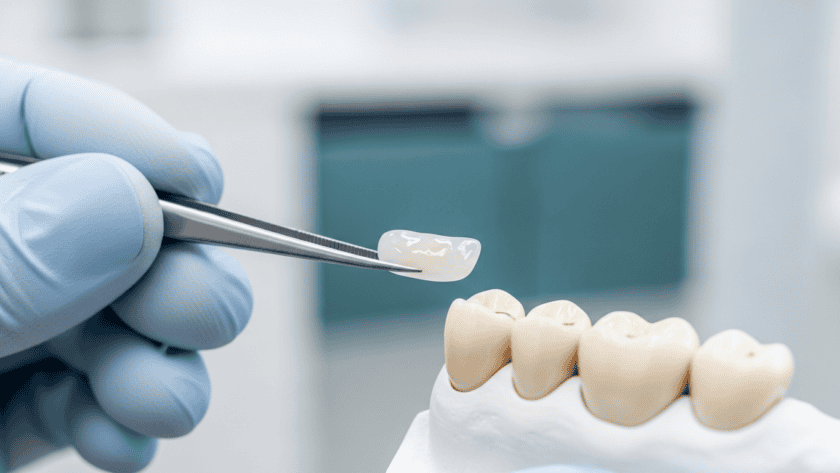
What are porcelain veneers? Balancing aesthetics and health, porcelain veneers have become a popular choice for many people seeking to improve their smiles. They are extremely thin porcelain veneers, typically only about 0.3 to 0.5 millimeters thick, fixed to the tooth surface using specialized bonding techniques to cover up any issues with the tooth's original color, shape, or alignment. Unlike all-ceramic crowns, which require significant tooth reduction, porcelain veneers offer a higher degree of preservation of tooth structure. However, before deciding to undergo treatment, consumers must fully understand the principles, potential risks, and long-term effects on tooth structure from an objective perspective. 2026 Comparison of Aesthetic Dental Restoration Options (Including Price Differences) | Specialty | Porcelain Veneers | Dental Crown | Resin Veneers | Minimal Tooth Grinding (0.3-0.5mm) | More Grinding (requires a smaller tooth size) | Almost No Grinding 2026 Reference Price: HK$2,000 - $8,000+ / tooth | HK$4,000 - $10,000+ / tooth | HK$500 - $2,500 / tooth | Price Differences: • Dentist Qualifications: Specialist dentists charge higher fees. • Laboratory: Uses E.max or imported porcelain blocks. • Technician: Digital cutting vs. hand-crafted multi-layered porcelain. • Materials: Zirconia, lithium disilicate, or handcrafted ceramics. • Complexity: Whether post and post or root canal restoration is required. • Time: Mostly in-clinic immediate shaping. • Consumables: Resin brand and polishing fineness. Durability: 10-20 years (with proper maintenance), 15+ years, 2-5 years (prone to discoloration). Most suitable for: gaps between front teeth, discoloration, minor chipping, severe cavities, post-root canal treatment, teeth with limited budget, short-term repairs. Porcelain veneers can specifically improve tooth color and shape, but a professional evaluation is required before the procedure. The precise relationship between porcelain veneers and enamel: The success of porcelain veneers largely depends on their bonding strength with natural enamel. To make room for the veneer and ensure a tight fit at the edges, avoiding gum inflammation or a "protruding tooth" appearance, dentists usually need to remove a small amount of tooth surface tissue. Many patients' biggest concern is: "How much enamel needs to be removed for porcelain veneers?" Generally, very little is removed, but in some cases with irregular tooth alignment, the amount of removal may be increased accordingly. It is important to note that enamel is the outermost protective barrier of teeth, and once removed, it cannot regenerate. Therefore, the question of "Can porcelain veneers be applied to teeth with thin enamel?" is an important issue that must be evaluated by a professional dentist through X-rays and clinical examination. If the enamel is too thin (e.g., due to long-term acid etching or wear), the bonding strength may be insufficient, even increasing the risk of veneer falling off or tooth fracture later. Aesthetic restoration of front teeth: From gaps to shape…

Read More

invisible-braces-cost-hk-guide-2026

2026 Hong Kong Dental Fee Guide for Invisible Braces: A Complete Analysis of Clear Braces Treatment Costs and Fixation Expenses

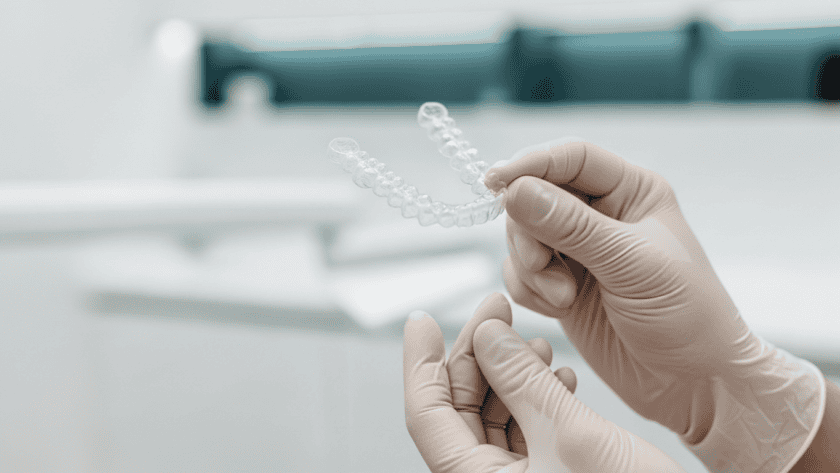
Overview and Consumer Guide to the Invisible Braces Market In recent years, orthodontic technology has developed rapidly, with "invisible braces" becoming the preferred choice for many Hong Kong residents seeking to improve their appearance due to their aesthetics, ease of removal, and high comfort. However, the price of invisible braces varies greatly in the market, ranging from over HK$10,000 to HK$60,000-70,000 for self-administered light orthodontic treatments to complex cases handled by specialists. As an independent Hong Kong dental guide, this article aims to provide consumers with an objective price analysis, breaking down the hidden costs in the treatment process, and discussing the equally important maintenance expenses after treatment. The price of invisible braces is affected by a variety of factors, and consumers should carefully compare different options. Key Factors Affecting the Price of Invisible Braces Consumers often find significant price differences when comparing prices. This is mainly affected by the following core factors: Case Complexity: Simple teeth adjustments (Lite/Express Packages) require fewer braces, resulting in lower costs; cases involving complex bite problems, severe crowding, or requiring wisdom tooth (impacted tooth) extraction have longer treatment times and correspondingly higher costs. Dental Certification: Treatments performed by orthodontic specialists are typically more expensive than those by general dentists, reflecting the specialist's professional training and experience in handling complex orthodontic mechanics. Brand Selection: The market offers well-known international brands such as Invisalign, as well as emerging local or remote orthodontic brands. Large international companies usually possess vast databases and patented technologies, resulting in higher fees; emerging brands attract customers with their cost-effectiveness. Additional Treatments: Oral health must be ensured before orthodontic treatment. If patients have periodontal disease or cavities, these must be treated first. For example, regular teeth cleaning to remove tartar or fillings; these costs are usually not included in the orthodontic package. Treatment Cost Structure: The devil is in the details. A standard invisible braces quote may include (or hide) the following items in addition to the cost of the braces themselves: Consultation and Examination Fees: Including oral scans (3D scan), X-rays, and photographic documentation. Refinement: If tooth movement does not meet expectations during or at the end of the treatment, additional braces may be required for fine-tuning. Some brands offer unlimited adjustments, while others charge per adjustment. Auxiliary tools: Consumables such as accelerators, chewies, or rubber bands. Tooth stripping and grinding: If wisdom tooth stripping or interdental retraction (IPR) is needed to create space, this is usually a separate charge, especially when surgical extraction is involved. Besides the braces themselves, X-rays and subsequent retainers are also significant expenses. Long-term expenses not to be ignored: Retainers. Many consumers overlook the maintenance costs after treatment when calculating the price of clear aligners. Teeth have memory; if retainers are not worn after orthodontic treatment, there is a high chance of relapse and displacement. Types and pricing of retainers: Common retainers on the market are mainly divided into three types: Clear Retainers: Similar in appearance to clear aligners, they are aesthetically pleasing but are consumables that will wear down or yellow over time. They usually need to be replaced every six months to a year, with prices ranging from approximately $1,500 to $3,000 per set. Traditional wire retainer (Hawley Retainer): Sturdy and durable, adjustable, but the metal wire is more noticeable. Fixed retainer: A metal wire bonded to the inside of the tooth; it cannot be removed by yourself and requires careful cleaning to prevent tartar buildup and frequent tartar removal treatments. …

Read More

blue-light-teeth-whitening-hk-guide-2026

Blue Light Skin Whitening: A Comprehensive Guide | 2026 Hong Kong Dental Fee Guide | Comparing the Effectiveness of Home Whitening and Clinic Treatments

A bright smile is a pursuit for many, and among the various cosmetic dentistry options, blue light whitening is widely popular due to its short treatment time and relatively noticeable results. As an independent consumer rights information platform, the Hong Kong Dental Guide aims to provide the public with objective and scientifically based dental information. While various whitening toothpastes and at-home kits are available on the market, clinic-provided blue light whitening still has unique advantages in terms of effectiveness and safety. This article will delve into its operating principles, potential risks to sensitive teeth, and market pricing trends for 2026. Professional blue light whitening must be performed by a registered dentist to ensure gum safety. The operating principle and procedure of blue light whitening: Blue light whitening uses a high concentration of hydrogen peroxide or carbon peroxide as a whitening agent. After being applied to the tooth surface, it is irradiated with a special wavelength of blue light, accelerating the oxidation-reduction reaction and thus decomposing the pigments deposited in the enamel and dentin. Before the treatment, the dentist must conduct a thorough oral examination to ensure there is no wisdom tooth inflammation or other periodontal problems. If a patient has severe tartar buildup, a professional teeth cleaning is necessary first; otherwise, the whitening agent cannot penetrate evenly, leading to uneven tooth color (color difference). Blue Light Whitening vs. Whitening Toothpaste: A Comparison of Effectiveness Many consumers try whitening toothpaste on the market before seeking professional treatment. These products usually contain fine abrasive particles, primarily used to physically remove extrinsic stains (such as tea and coffee stains) from the tooth surface. However, for intrinsic pigments that yellow with age, or for naturally darker teeth, the effects of regular toothpaste are often minimal. In contrast, blue light whitening penetrates deep into the tooth structure to alter pigmentation, typically resulting in a significant improvement of several shades, making it a more thorough solution. Potential Risks: Sensitive Teeth and Gum Irritation Although blue light whitening technology is quite mature, it is not without side effects. The most common issue is post-treatment tooth sensitivity (tooth sensitivity). This is because the high concentration of whitening agent temporarily opens the dentinal tubules, causing sensitivity to hot and cold stimuli. This sensation usually subsides within 24 to 48 hours. However, if the tooth has untreated cavities, the whitening agent may seep in and cause severe pain; therefore, fillings before treatment are a necessary precaution. Blue light whitening is not suitable for everyone; pre-treatment evaluation is crucial. Common Blue Light Whitening Questions (FAQ) 1. How long does the effect of blue light whitening last? Generally, the effect can last from 6 months to 2 years, depending on individual dietary habits. People who frequently drink coffee, drink red wine, or smoke will experience a faster return to their original color. 2. What should I do if my teeth are very sensitive after treatment? This is a normal post-treatment reaction. It is recommended to avoid eating excessively cold or hot foods for a week after treatment. For daily care, you can use a desensitizing toothpaste specifically designed for sensitive teeth. These toothpastes contain ingredients such as potassium nitrate, which help soothe the sensitivity of nerve endings. 3. Can I have a previous dental treatment record? It is important to note that whitening agents are only effective on natural teeth. If your front teeth have previously undergone root canal treatment and you've worn braces or implants, the color of these restorations will not be changed. This can lead to your natural teeth appearing whiter after whitening, while your dentures retain their original color, creating an awkward color difference. Proper post-treatment care can effectively prolong the whitening effect and reduce discomfort. When choosing a safe dental service, consumers should prioritize clinics run by registered dentists, rather than general beauty salons. According to Hong Kong law, procedures involving bleaching agents entering the tooth structure must be performed by qualified dental personnel. Furthermore, choosing an institution with a day care center or a transparent pricing system provides an extra layer of protection for your rights. Do not easily believe exaggerated claims such as "zero sensitivity" or "permanent whitening"; rely on medical evidence.

Read More

Dr. Sarah Lai Hiu Fong, Specialist in Pediatric Dentistry, Hong Kong, HK, Dental Guide

[The Complete Guide to Pediatric Dentistry] How to Avoid Tooth Decay in Baby Teeth? Dr. Sarah Lai Breaks Down Causes, Prevention, and Treatment (with Parent FAQs)

1. Introduction: Don't Let the "Sugar-Coated Trap" Ruin Your Child's Smile. In Hong Kong, the rate of childhood tooth decay remains high. Many parents are surprised to find their children covered in cavities when they bring them to the clinic, yet they don't understand why. "I don't give him candy, so why is this happening?" This is the most common question heard in the clinic. Pediatric dentist Dr. Sarah Lai points out that many parents believe only candy is the culprit, but "snacking" is actually the real killer. When the mouth is in a chronically acidic state, teeth have no chance to repair themselves. The enamel of baby teeth is thinner than that of permanent teeth, so once decay begins, it spreads very quickly. This article will guide parents through an in-depth understanding of the causes of childhood tooth decay, the latest treatment techniques, and how to use "behavioral guidance" to help children overcome their fear of going to the dentist. 2. Meet Dr. Sarah Lai, a Pediatric Dentist. When choosing a dentist, many parents ask, "Why a specialist?" Dr. Sarah Lai is a pediatric dentist. In addition to general dental knowledge, she has received years of specialized training, focusing on children's growth and development, child psychology, and special needs. Dr. Lai's treatment philosophy goes beyond simply "fixing teeth"; she emphasizes "holistic care." She and her team excel at using **"Behavior Management" techniques**, building trust with children through gentle, positive communication. In her clinic, dental visits are no longer cold, impersonal procedures, but a respectful and interactive experience. 🎬 [Video Interview] Want to hear Dr. Lai personally explain more about dental care? Welcome to click and watch the full interview below to learn more about professional insights into pediatric dentistry: 3. In-depth analysis: The three hidden killers of childhood cavities [Image suggestion: Please insert an image about the causes of cavities (Candy & Caries) / Image of sugary food concept] In addition to obvious candies, parents need to be wary of the following "hidden landmines": Hidden sugars and sticky foods: Many foods that parents consider healthy are actually threatening to teeth. For example, fruit juice, dairy drinks, dried fruit, and starchy snacks (such as cookies and potato chips). These foods are extremely sticky and easily adhere tightly to the deep gaps between teeth, making them more difficult to clean than hard candy. Bacteria break down these residues to produce acid, which directly corrodes teeth. Nighttime feeding and nursing to sleep habits: This is the most common cause of cavities in infants and young children. Falling asleep with a bottle in their mouth, or not cleaning after drinking milk in the middle of the night, will leave teeth soaked in lactose all night. This can cause serious **"Nursing Bottle Caries"**, which usually leads to extensive corrosion, blackening, and even breakage of the upper incisors. Vertical transmission of bacteria: This is often overlooked. Tooth-causing bacteria (Streptococcus mutans) are contagious. If parents or caregivers have poor oral hygiene, they can transmit bacteria to young children whose immune systems are not yet fully developed through sharing utensils, blowing on food to cool it, or kissing, increasing their risk of tooth decay later in life. …

Read More

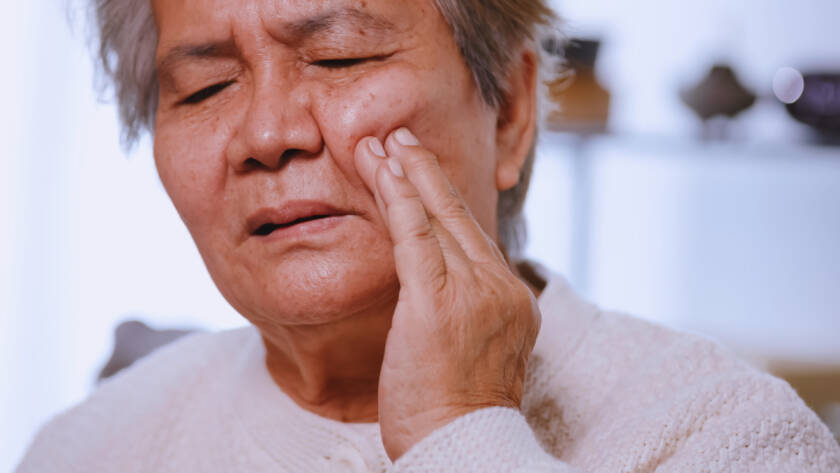
Asian elderly woman suffering from toothache.

Midnight Toothache First Aid Manual | 2026 Hong Kong Dental Fee Guide + Comprehensive Analysis of Pain Relief and Medical Treatment

What to do about a toothache in the middle of the night? 5 immediate pain relief first aid methods & 2026 list of 24-hour dentists in Hong Kong. Midnight toothaches often come on suddenly and are severe. Many people wonder, "I was fine during the day, so why does it hurt as soon as I lie down?" This is mainly because the body's cortisol levels drop at night, and the supine position causes increased blood pressure in the head, which doubles the pressure in the pulp cavity, causing severe pain that makes it difficult to fall asleep. In the face of this sudden situation, staying calm and taking the right temporary relief measures is crucial. As an independent consumer information authority, the Hong Kong Dental Guide editorial department has integrated professional medical advice to provide you with objective first aid and medical guidance. Midnight toothaches are often caused by underlying dental problems, and lying down may aggravate the pain. 🆘 Help! It hurts so much right now, what should I do? 5 Home Relief First Aid Methods: While waiting for clinics to open, citizens can try the following over-the-counter suggestions to temporarily relieve pain (Note: This is not a treatment, only for relief): **Elevate Head:** Try elevating your head with pillows to avoid lying completely flat. This helps reduce blood flow to the head, thereby relieving pressure on the nerves in the dental pulp. **Warm Salt Water Rinse:** Gently rinsing your mouth with warm salt water helps clean oral bacteria and soothe inflamed gums, especially for pericoronitis around wisdom teeth. **Cold Compress on Cheek:** If accompanied by facial swelling, apply an ice pack wrapped in a towel to the affected cheek area (15 minutes on, 15 minutes off). This helps constrict blood vessels, reduce swelling and numbness. **Correct Use of Painkillers:** If there is no drug allergy, follow the package instructions: **Panadol:** Suitable for mild pain. **Ibuprofen:** More effective for reducing inflammation and pain in dental nerves, but should be used with caution by people with stomach problems or asthma. Avoid Irritation: Avoid eating excessively cold, hot, or sweet and sour foods to prevent irritating exposed nerve endings. ⚠️ Red Alert: When is it necessary to go to the emergency room immediately? If you experience difficulty breathing, difficulty swallowing, severe swelling of the fundus or neck, or a high fever (above 39°C), it indicates that the infection may have spread to the respiratory tract. Please go to the emergency room of a public hospital immediately without an appointment. Where to find 24-hour dentists/night clinics in Hong Kong in 2026? Most private dental clinics in Hong Kong only operate during the day. If you need to see a dentist late at night, you usually only have the following two options: Category Location Fee Reference (2026) Service Area Private Hospitals (24 hours) Hong Kong Adventist Hospital, Hong Kong Sanatorium & Hospital, Union Hospital Extremely High ($2,000 -…

Read More

2026 Hong Kong Dental Examination Process for Cracked Tooth Syndrome

How to calculate tooth crack points? 2026 Hong Kong Dental Fee Guide and a complete analysis of cracked tooth syndrome.

Cracked Tooth Costing? 2026 Hong Kong Dental Fee Guide and Comprehensive Analysis of Cracked Tooth Syndrome. In daily life, many Hong Kong people have experienced sharp tooth pain after biting hard objects. If this pain persists, or if there is tingling pain when eating hot or cold foods, it may not just be ordinary sensitivity, but rather a condition called "Cracked Tooth Syndrome." As an independent medical media committed to providing objective information, the Hong Kong Dental Guide will delve into the costing, causes, symptoms, and current treatment options and fee references in the Hong Kong dental market. Early-stage cracked teeth may not be visible to the naked eye and require professional examination to confirm the depth of the crack. What is Cracked Tooth Syndrome? Cracked tooth syndrome refers to the appearance of tiny cracks on or inside the tooth surface. These cracks may be difficult to detect with the naked eye or ordinary X-rays in their early stages, but when the crack extends to the dentin or even the dental pulp nerve, it will cause varying degrees of pain. If left untreated, the crack will deepen with chewing pressure, eventually leading to a vertical split of the tooth, at which point the tooth may not be salvageable. Common Causes: Chewing hard objects: Enjoying cracking ice cubes, nuts, crab shells, or bones. Nighttime teeth grinding: Long-term teeth grinding puts enormous pressure on teeth, causing fatigue cracks in the enamel. Large fillings: If a tooth has undergone extensive fillings, the remaining tooth structure is more fragile and prone to cracking under stress. Hot and cold temperature differences: Frequently alternating between extremely cold and hot foods can cause enamel cracking due to thermal expansion and contraction. How to Calculate a Cracked Tooth? Common Symptoms and Self-Examination: If you suspect you have a cracked tooth, pay attention to the following symptoms: Biting pain: Sharp, stabbing pain when chewing, especially the moment you release your bite. Temperature sensitivity: Extreme sensitivity to hot and cold foods, and the pain lasts longer than in other sensitive teeth. Difficulty in pinpointing the location: Patients often have difficulty accurately identifying which tooth is painful; the pain may radiate to the head or ears. Professional Treatment Plan: For different degrees of tooth cracks, dentists will develop a treatment plan based on the depth and location of the crack. The treatment goal is to prevent the crack from widening and protect the dental pulp. For cracks that extend into the pulp, root canal treatment may be necessary to save the tooth. 1. Minor Cracks (Craze Lines): Cracks limited to the enamel surface, usually painless, mainly affecting appearance. Generally, no special treatment is needed, or only simple grinding or aesthetic restoration is required. 2. Fractured Cusp: The tip of the tooth breaks off on the occlusal surface. Treatment usually involves removing the broken portion and restoring it with a crown or onlay to protect the remaining tooth structure. 3. Cracked Tooth Extending to the Pulp: If the crack has damaged the nerve, the patient will experience persistent pain. Root canal treatment is necessary to remove the infected pulp, and a crown must be placed to secure the tooth and prevent further cracking. 4. Split Tooth: When the crack completely penetrates the tooth, splitting it in two. This is usually the result of a cracked tooth left untreated for a long time. These types of teeth are usually unsaveable and require extraction, followed by consideration of dental implants or bridges to restore chewing function. Frequently Asked Questions (FAQ) Q1: Will a cracked tooth heal on its own? No. Unlike bone, teeth do not regenerate. Once a crack forms, without intervention (such as repair or braces), it will only deepen due to chewing pressure. Q2: How much does it cost to treat a cracked tooth? The cost depends on the severity. Simple repairs cost several hundred to a thousand dollars; if a root canal and braces are needed, the cost may range from HK$6,000 to HK$15,000; if implants are needed, the cost will be even higher. It is recommended to refer to a detailed market price report. Q3: What should I do in case of severe pain from a cracked tooth? Immediately stop chewing on that side, avoid hot and cold stimuli, and schedule an appointment with a dentist as soon as possible. Painkillers can provide temporary relief, but do not delay seeking medical attention. Regular checkups help detect hidden cracks early and prevent them from developing into severe cracks. How to choose suitable dental services? Treating cracked teeth requires accurate diagnosis. When choosing a dental clinic, it is recommended that the public consider the following objective factors: Diagnostic equipment: Does the clinic have a dental microscope or 3D computed tomography (CBCT) scanner? These instruments are crucial for detecting micro-cracks. Treatment transparency: Can the dentist clearly explain the crack depth and the success rate of tooth preservation? Compliance and qualifications: Confirm that the attending dentist is a registered dentist in Hong Kong. For complex cases, referral to an endodontic specialist may be necessary. Disclaimer: The information in this article is for reference only and should not replace professional medical advice. If you have any dental discomfort, please consult a registered dentist.

Read More

2026 Hong Kong Dental Surveillance Anesthesia MAC Specialist Monitoring Process

Comprehensive Analysis of Surveillance Anesthesia: 2026 Hong Kong Dental Fee Guide and Risk Assessment of Sedation Treatment

Why are more and more dental surgeries opting for monitored anesthesia? In Hong Kong, with advancements in day care technology, many complex dental surgeries no longer need to be performed in hospitals but are instead completed in well-equipped day care centers. For patients sensitive to pain or suffering from dental anxiety, monitored anesthesia care (MAC) offers a safe option between local and general anesthesia. As an independent authority on consumer information, the Hong Kong Dental Guide aims to provide the public with objective, medically evidence-based information to help citizens make informed decisions before undergoing surgery. This article will analyze in detail the principles, scope of application, 2026 pricing trends, and safety precautions that patients must be aware of regarding monitored anesthesia. Monitored anesthesia requires full monitoring by an anesthesiologist to ensure the patient's vital signs remain stable under sedation. In-depth analysis: What is monitored anesthesia (MAC)? Monitored anesthesia care, commonly known as "sleep anesthesia" or "deep sedation," is a type of anesthesia that induces deep relaxation or even sleep in patients through intravenous administration of sedative drugs. Unlike traditional general anesthesia, patients under monitoring anesthesia can usually maintain spontaneous breathing, but their memory of pain and the surgical procedure is significantly reduced or even completely lost. Comparison of Three Anesthesia Methods: Local Anesthesia, Monitoring Anesthesia (MAC), General Anesthesia (GA); State of Consciousness: Fully awake, Deep sedation/semi-sleep, Complete loss of consciousness; Breathing Mode: Spontaneous breathing (with oxygen support); Requires intubation, reliance on ventilator; Recovery Time: Immediate (approximately 30-60 minutes), Slower (requires several hours of observation). Suitable Dental Procedures? Monitoring anesthesia is particularly suitable for lengthy, complex, or fear-inducing treatments. Common examples include: Complex tooth extractions: Removal of multiple wisdom teeth or impacted teeth at once. Dental implant surgery: Especially cases involving bone grafts or full-mouth implant reconstruction. Patients with dental phobia: Even for simple root canal treatments, it can be considered if the patient has an extreme gag reflex or anxiety. Professional monitoring anesthesia requires cardiopulmonary monitoring equipment and is conducted by a dedicated anesthesia team, not by the dentist. According to market research, the cost of monitoring anesthesia in Hong Kong in 2026 is usually calculated separately from the dental surgery fee. The charging model is mostly calculated on a "first hour" and "every 30 minutes thereafter". First hour fee: approximately HK$6,000 - HK$9,000. Every 30 minutes thereafter: approximately HK$3,000 - HK$4,500. Note: The above only includes the anesthesiologist's fee and does not include operating room rental, medication costs, or the cost of the dental treatment itself. When comparing prices for fillings or surgery, consumers must request a "full-inclusive" budget from the clinic to avoid hidden charges. Frequently Asked Questions (FAQ) Q1: Are there risks associated with monitoring anesthesia? All sedation treatments involving medication carry risks. Potential risks include respiratory depression, decreased blood pressure, or drug allergies. Therefore, the Hong Kong Academy of Medicine guidelines recommend that monitoring anesthesia must be administered by a specialist in anesthesiology, not by the dentist performing the surgery, to ensure dedicated monitoring of the patient's airway and vital signs. Q2: Do I need to fast before monitoring anesthesia? Yes. Although it's less severe than general anesthesia, to prevent aspiration pneumonia caused by vomiting, patients usually need to fast and abstain from water for about 6 to 8 hours before surgery. Specific guidelines should be followed according to the anesthesiologist's preoperative assessment. Q3: Can I go home on my own after surgery? Absolutely not. Sedative drugs can impair judgment and coordination for up to 24 hours. Patients must be accompanied by an adult family member or friend when leaving the clinic and cannot drive or operate heavy machinery on the day of surgery. After monitoring anesthesia, patients will be observed in a recovery area equipped with monitoring equipment until they are fully awake. How to choose a qualified day care center? When choosing a dental facility to perform monitoring anesthesia, consumers should not only focus on price. For their own safety, the following three criteria should be considered: A licensed day care center: Ensure the premises meet the Department of Health's stringent requirements for ventilation, emergency equipment, and infection control. An independent anesthesiologist: Confirm that the anesthesia procedure is performed by a registered specialist, not a general practitioner or a dentist. …

Read More

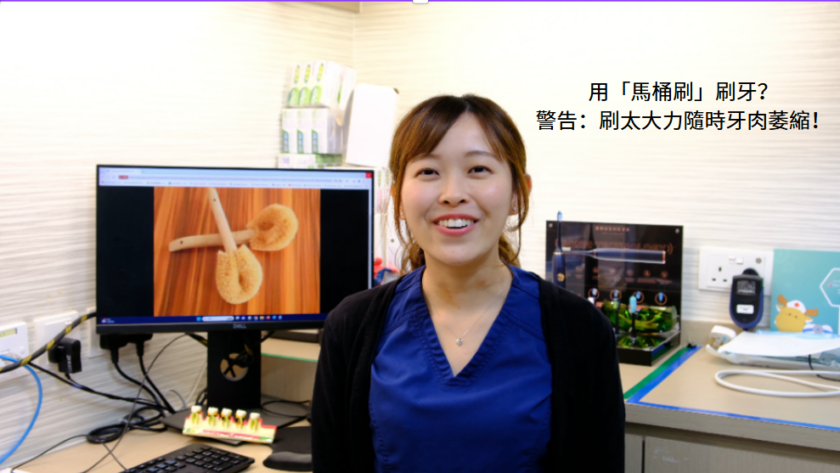
Jessie, a dentist at Wetoothsobi, demonstrates how brushing teeth too hard can cause gum recession.

[Dentist's Tip] Brushing your teeth with a "toilet brush"? Jessie warns: Brushing too hard can cause gum recession! 😱 (2026)

"Do you want to brush your teeth?" 😡 Have you ever been complained about brushing your teeth too loudly? Or the bristles "bloom" after two or three weeks? Today, We tooth sobi's dental nurse Jessie is out again with a "giant toilet brush" to remind everyone of a super important notion of dental care! Myth cracking: more force = cleaner? Many people think that brushing your teeth is like "brushing the toilet" or "scrubbing the floor", brushing hard to get clean. wrong! Big mistake! ❌ Jessie girl vividly demonstrates in the video (that brush is really big😂): If you use a hard bristle like a "toilet brush", plus deadly force to brush, your teeth will not only not turn white, but will be injured! In fact, dental plaque is a very soft film that can be brushed off with just a light force. Using too much force will hurt the innocent! Alarm signal! 3 Signs You’re Brushing Too Hard If you look in the mirror and notice the following, it means you may be a “victim of violent brushing”: Gum Recession: This is the most obvious sign. The gums have been “brushed away” by you, and the legs (roots) that were originally wrapped in the gums are exposed, making the teeth look elongated. Yellow teeth: Many people think that a vigorous brush can brush white, in fact, just the opposite! Because after the white enamel on the surface is abraded, the inner yellow ivory (Dentin) is revealed, making the teeth yellower the more you brush. Sensitivity: After the tooth leg is exposed, there is no enamel protection, a drink of cold food, eat sweet food will feel "unjust pain". The right thing to do: gentleness is key Brushing your teeth is not fighting! Jessie recommends following the following "teeth care trilogy": 1. Choose the right tool: soft bristles vs hard bristles Be sure to choose a soft bristle toothbrush (Soft.

Read More

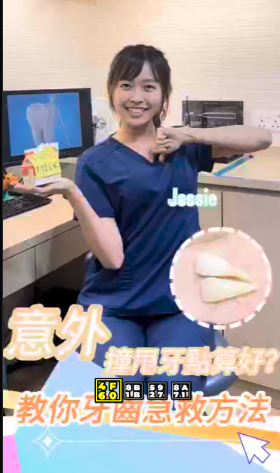
Counting teeth after a collision

[Dental First Aid] What to do if you knock out a tooth? Jessie teaches you the "milk method" to save a tooth in the golden 60 minutes! 🥛 (2026 Quick Guide)

damn! My tooth was knocked out! ”😱 Playing football and eating "ball cake", falling while riding a bicycle, even arguing with others... Accidents can happen at any time. Many people think that if their teeth fall out, they can't be saved, so they can only wait for dental implants. wrong! In fact, as long as it is handled properly, that permanent tooth has a high chance of being "planted" back! Today, We tooth sobi's dental nurse Jessie is back in action to teach you how to seize the **"golden 60 minutes"** and save your tooth in the most vivid way! 🛑 Warning: Don’t do these 2 things if you lose your teeth! When you see a tooth fall to the ground, don't be afraid to make a mess. The following two actions are ** "tooth destroyer" ** and must not be done: ❌ 1. Never wrap it in tissue! This is the most common mistake! There is a precious layer of "Periodontal Ligament Cells" on the surface of the tooth root. If you wrap it in a paper towel, the paper towel will instantly suck up the moisture from the cells, causing the tooth to “dehydrate” and necrotic. Once all the cells are dead, the teeth cannot be rebutted. ❌ 2. Never brush your roots! Feel dirty when you fall on the floor and want to get a brush clean? Never! Using a brush or rubbing vigorously will directly kill the cells that are helping to replant the tooth. If your teeth are dirty, simply rinse them gently with saline or milk. Correct first aid 4 steps: remember the "milk method" 🥛 Jessie taught in the video, encounter an accident to stay calm, follow the following steps: Step 1: Pick up the teeth (only take the white part) Step 2: Gently rinse (if necessary) If there is silt on the root of the tooth, gently rinse with saline or fresh milk for 1-2.

Read More

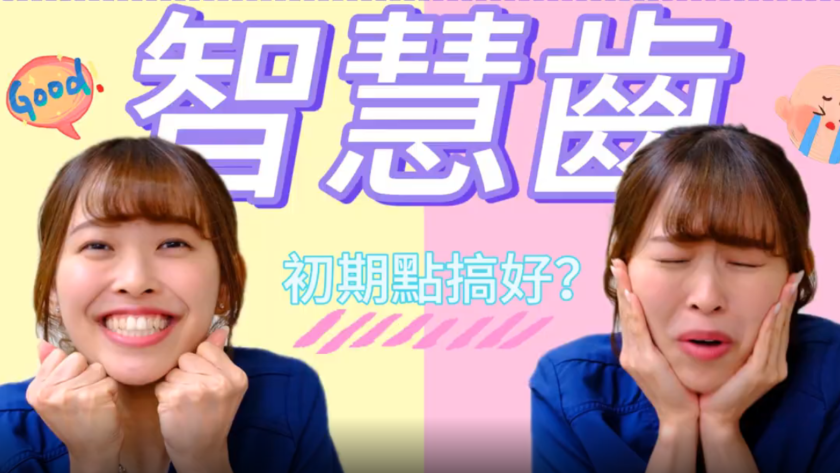
Jessie explains impacted wisdom teeth and debunks myths about wisdom teeth causing facial thinning.

[Wisdom Tooth Myths] Can wisdom tooth removal make your face slimmer? A dentist breaks down 3 situations where wisdom tooth removal is necessary and the golden treatment period.

“Doctor, does wisdom teeth extraction make your face slimmer?” “My tooth doesn’t hurt, can I just ignore it?” This is the most common consultation dental offices receive. There are many folk remedies about wisdom teeth circulating, and some beauty lovers even ask for tooth extraction to improve their face shape. However, do these ideas hold up medically? In this issue of HK Dental Guide, Jessie, a dental nurse at We toothsobi, was invited to break down urban legends from a professional medical perspective and provide guidance on correct clinical judgment. 1. Medical Decryption: Wisdom teeth removal equals free plastic surgery? In response to the claim of "tooth extraction to slim the face", Jessie has given a clear clinical answer in the video: no. To understand this, we need to start with the anatomical structure of the face: Bone support: The width of the face depends mainly on the shape and angle of the mandible bone (Mandible). Wisdom teeth grow at the very end of the alveolar bone, and removing them does not change the physical lines of the mandibular bone itself. Muscle thickness: Another factor that affects face shape is.

Read More

Translation

× Close