引言:發現黑點一定要鑽牙嗎?
在香港,許多市民對於牙科檢查感到焦慮,往往是因為擔心「一見牙醫就要補牙」。當我們在鏡子中發現牙齒上有細小的黑點,或者感到輕微酸軟時,最常見的疑問就是:「蛀牙一定要補?由淺蛀到深蛀的 4 個階段與對應治療方法」究竟是什麼?
事實上,並非所有「黑點」都需要立即進行侵入性治療。作為獨立的香港牙科指南,我們有責任向公眾釐清,蛀牙(齲齒)是一個漸進的過程。從初期的脫鈣到後期的牙髓感染,治療手段大相逕庭。本文將以客觀、科學的角度,參照國際牙科標準,為讀者拆解不同階段的蛀牙成因及相應的處理方案。
定期口腔檢查有助於在蛀牙初期階段及時發現問題。
深度剖析:蛀牙演變的 4 個階段
牙齒的結構由外而內分別是琺瑯質、象牙質及牙髓。蛀牙的嚴重程度取決於細菌破壞了哪一層結構。以下是臨床上常見的四個階段:
階段一:脫鈣期(輕微蛀牙)
這是在牙齒表面的琺瑯質剛開始受到酸性物質侵蝕的階段。此時牙齒表面可能會出現白色的斑點(White Spot Lesion),尚未形成明顯的凹洞。
徵狀: 通常無痛感,肉眼難以察覺,需透過專業檢查發現。
治療方向: 這是唯一有機會「逆轉」的階段。許多人問「蛀牙有可能自己好嗎」,答案是僅限於此階段。透過加強口腔清潔、使用含氟牙膏或由牙醫塗氟,可以促進牙齒「再礦化」(Remineralization),修復受損的琺瑯質,未必需要鑽牙填補。
階段二:琺瑯質蛀牙
當細菌繼續侵蝕,突破了琺瑯質表層,形成實質的凹洞,這就是一般定義下的蛀牙。此時,黑點或小洞已清晰可見。
徵狀: 吃甜食或冷熱食物時可能會感到輕微敏感。
治療方向: 此階段的結構缺損無法自行修復,必須進行補牙(牙齒充填)。牙醫會清除蛀蝕部分,並使用樹脂或銀粉等材料填補,以防止細菌深入。
階段三:象牙質蛀牙
若未及時處理,細菌會穿過堅硬的琺瑯質,進入較軟的象牙質(Dentin)。象牙質內含有微細管道連接神經,因此細菌擴散速度會加快。
徵狀: 進食時會有明顯酸痛感,食物容易塞入牙洞引發不適。
治療方向: 需要進行較大範圍的補牙。若蛀蝕範圍過大,單純補牙可能強度不足,牙醫可能會建議使用嵌體(Inlay/Onlay)或牙套來保護剩餘的牙齒結構。
階段四:牙髓炎(深蛀)
這是最嚴重的階段,細菌已感染牙齒內部的神經與血管(牙髓)。
徵狀: 持續性劇痛(特別是夜間),甚至引起面部腫脹或牙瘡。
治療方向: 此時單純補牙已無效,必須進行杜牙根(根管治療)以清除受感染的組織,保留牙齒。若牙齒結構破壞過於嚴重,則可能面臨剝牙(拔牙)的命運,隨後可能需要考慮種牙來恢復咀嚼功能。
了解蛀牙的階段有助於患者與牙醫溝通,選擇最適切的治療方案。
市場觀察:2026 香港補牙與治療收費參考
消費者在尋求治療時,費用往往是重要考量。補牙收費在香港因診所地點、醫生經驗及使用材料而有顯著差異。以下數據綜合自市場公開資料,僅供參考:
簡單補牙(非手術性): 一般收費範圍約在 HK$500 至 HK$1,500 之間。這通常適用於琺瑯質及淺層象牙質蛀牙。
複雜補牙…
補牙並非一勞永逸:為何你需要關注補牙物料的壽命? 許多市民誤以為完成補牙治療後,修復好的牙齒便能永久使用。然而,根據臨床數據顯示,所有補牙物料(包括銀汞合金及現代樹脂)都有其使用壽命。隨著時間推移,口腔內的咀嚼壓力、冷熱溫度變化以及細菌侵蝕,都會導致物料老化、收縮甚至脫落。 若忽視舊補牙物料的狀態,不但可能導致嚴重的二次蛀牙,更可能深層破壞牙齒結構,最終需要進行更昂貴的杜牙根治療。本文將以客觀角度,分析補牙物料的壽命及必需更換的關鍵徵兆。
定期檢查舊補牙狀況,是預防二次蛀牙的關鍵。
5 個徵兆顯示舊補牙物料已經老化 作為精明的消費者,了解口腔發出的警號至關重要。以下是五個最常見的徵兆,提示你需要諮詢牙醫評估是否更換補牙: 1. 牙齒敏感 (Tooth Sensitivity) 這是最常見的早期警號。當舊的補牙物料開始與牙齒邊緣分離,產生微細縫隙(Micro-leakage),冷熱食物或甜食便能滲透至牙本質小管,引發尖銳的痠痛感。若你發現曾經補過的位置突然出現牙齒敏感,這往往代表密封性已受損。 2. 補牙邊緣變黑或變色 雖然銀汞合金(銀粉)本身顏色較深,但若是牙色樹脂補牙周邊出現黑線或明顯變色,通常意味著細菌已滲入補牙物料與琺瑯質的交界處,形成了「二次蛀牙」。這種內部腐蝕往往比表面看起來更深。 3. 咬合時感到痛楚或壓力 如果在咀嚼時感到某個特定點有刺痛或壓力感,可能是舊補牙物料已經斷裂,或者下方出現了新的蛀蝕空洞,導致牙齒結構支撐力不足。長期忽視可能導致牙齒崩裂。 4. 補牙物料表面粗糙或有缺口 用舌頭舔過補牙位置時,如果感覺表面變得粗糙、有銳利邊緣或明顯凹陷,代表物料已經磨損或部分脫落。這不僅影響咬合,粗糙表面更易積聚牙菌膜,加速鄰近牙齒的損壞。 5. 食物經常塞在牙縫 正常的補牙應恢復牙齒原本的接觸點。若你發現補過牙的位置變得容易「攝」食物,這暗示補牙物料已經變形或移位,導致牙縫變闊。長期的食物嵌塞會導致牙齦發炎及牙槽骨吸收。
微細裂縫肉眼難以察覺,卻是細菌入侵琺瑯質的通道。
深度分析:不同補牙物料的壽命預估 並沒有一個標準答案規定「補牙幾耐要換一次」,因為這取決於物料種類及患者的口腔習慣。一般而言: 樹脂 (Composite Resin):美觀度高,但耐磨度相對較低。一般壽命約為 5 至 7 年。 銀汞合金 (Amalgam):雖然含水銀爭議且不美觀,但硬度極高。一般壽命可達 10 至 15 年,甚至更長。 瓷嵌體 (Inlay/Onlay):實驗室製作,硬度最接近天然琺瑯質,壽命通常可達 15 年以上,但費用較高。 常見問題 (FAQ) Q1:…
牙痛突發如何是好?冷靜應對的第一步 俗語有云「牙痛慘過大病」,當市民在深夜或假日面對突發性劇痛時,往往感到徬徨無助。作為獨立的香港牙科指南,我們理解患者的焦慮。本文旨在以客觀、中立的角度,為大家詳細分析香港牙科急症的處理方案,涵蓋公立醫院急症室的職能、私家牙科夜診的選擇標準,以及各項治療如補牙、拔牙及根管治療的2026年市場參考收費。 當遇到突發牙痛,首要步驟是分辨疼痛來源,以便決定前往急症室還是預約私家牙醫。
自我評估:為何牙痛多發生在深夜? 許多患者會發現,牙痛往往在夜深人靜時加劇。這主要是因為平躺時頭部血壓升高,導致牙髓腔內的壓力增加。如果牙齒內部已經有發炎情況,神經受壓便會產生劇痛。常見的急症成因包括: 急性牙髓炎:通常由深層補牙位置繼發蛀牙或牙裂引起,痛楚劇烈且可能放射至頭部。 智慧齒冠周炎:阻生的智慧齒周圍牙肉腫脹發炎,導致張口困難。 牙瘡或蜂窩性組織炎:牙根尖周圍受細菌感染,引致面部腫脹。 公立醫院急症室 vs 私家牙科:服務範圍大不同 許多市民誤以為公立醫院急症室(A&E)提供全面的牙科服務,這是一個常見的誤解。根據醫院管理局的指引,公立醫院急症室主要處理「創傷性及威脅生命」的口腔頜面狀況,例如: 交通意外導致的頜骨骨折。 拔牙後血流不止。 嚴重面部腫脹引致呼吸困難。 對於一般的蛀牙痛或牙髓炎,急症室醫生通常只能提供止痛藥及抗生素,或在極端情況下提供緊急拔牙服務,但一般不會進行補牙或杜牙根等保存牙齒的治療。因此,若希望保留牙齒,尋求私家牙科急症服務通常是較合適的選擇。 2026年香港牙科急症與常見治療收費參考 在處理急症時,了解市場收費有助於做好預算。以下價格範圍綜合了2026年市場數據,僅供參考,實際費用會因診所地段、醫生資歷及個案複雜程度而異。 緊急診金及檢查費:約 HK$500 - HK$1,500(非辦公時間可能較高)。 補牙收費:一般由 HK$600 至 HK$1,500 不等,視乎填補物料及範圍。 杜牙根(根管治療):前牙約 HK$3,000 - HK$6,000;大牙則介乎 HK$6,000 - HK$12,000。 單隻種牙:若牙齒無法挽救需拔除,後續的種牙費用約為 HK$18,000 - HK$35,000。 深層蛀牙或牙裂引致的劇痛,往往需要透過顯微鏡輔助進行根管治療。
常見問題 (FAQ) Q1: 半夜牙痛,家中沒有止痛藥點算好? 在等待就醫期間,可嘗試用暖鹽水漱口以紓緩發炎引起的腫脹,並避免平躺,稍微墊高頭部以減低頭部血壓。切勿將止痛藥丸直接敷在牙肉上,這會導致化學性灼傷。 Q2: 牙痛一定要剝牙嗎? 不一定。現代牙科著重保留天然牙齒。除非牙齒已縱向裂開或牙周組織嚴重受損,否則醫生通常建議透過根管治療清除發炎神經,再戴上牙套保護。若不幸必須剝牙,日後亦需考慮鑲配假牙或植牙以維持咀嚼功能。…
引言:2026 醫療通脹下的牙科保障迷思
隨著香港私營醫療市場收費調整,「香港牙科保險值唔值得買?」及「2026 自願醫保 vs 公司團體牙科福利全比較」已成為本年度熱門的理財話題。作為獨立資訊平台,香港牙科指南 發現,許多市民往往在面臨高昂治療費時,才發現現有保障的「牙科責任」漏洞。
圖表 1:香港牙科保險與醫療通脹趨勢分析
---
深度分析:三類牙科保障的覆蓋差異
在評估牙科保險的性價比時,必須區分以下三種主要保障來源的「保障真空期」與賠償上限:
1. 公司團體牙科福利 (Group Medical)
這是多數打工仔最基本的保障,但補牙收費往往超出賠償上限。
保障範圍: 涵蓋每年 1-2 次洗牙及基本檢查。
限制: 補牙收費通常設有單次 $300-$500 的限額。在 2026 年市場價已達 $600-$1,500 的情況下,僱員仍需支付約 50% 差額。
2. 自願醫保計劃 (VHIS) 牙科保障誤區
VHIS 的初衷是「住院與手術」,而非「預防性護理」。
手術性保障: 僅限於意外受傷或需切開牙肉、移除骨組織的複雜智慧齒移除手術。
一般牙科: 普通拔牙、洗牙及補牙通常列為除外責任。
3. 獨立牙科保險 (Dental Riders)
通常作為高端計劃的附加條款,針對高價值項目。
等待期限制: 杜牙根或種牙通常設有 6-12 個月等待期。
共同保險: 受保人往往需自付 20%-40% 的費用,並非全數索償。
圖表…
【2026 香港牙科收費】新手睇牙指南:洗牙、補牙預算及醫療券攻略
對於許多市民而言,踏入牙科診所往往伴隨著焦慮與疑問。無論是因為牙痛、例行檢查,還是為了美容需求,「第一次睇牙」總會讓人感到無從入手。香港的牙科服務分為公營與私營兩大體系,其中私營市場雖然選擇眾多,但收費與服務流程不一,容易令缺乏經驗的消費者感到困惑。
作為獨立的消費者資訊平台,香港牙科指南 (HKDentalGuide) 將以客觀角度,詳細拆解由預約、診療到付款的標準流程,並重點分析 2026 年各類治療的收費參考,助您掃除資訊盲點。
了解標準就診流程,能有效減低首次看牙的焦慮感。
一、標準牙科就診流程解構
在香港,除了急症外,大部分牙科服務均需預約。對於搜尋「洗牙香港」或一般檢查的消費者來說,選擇診所時除了考慮地點,更應了解以下標準流程:
預約與分流: 致電或網上預約時,診所職員(姑娘)通常會詢問主要訴求(如:牙痛、洗牙、檢查)。若是劇烈牙痛,部分診所會盡量安插急症時段。
登記與病歷建立: 首次到診需出示身份證登記,並填寫健康問卷(包括藥物敏感、長期病患等資料),這對牙醫判斷治療及麻醉方案至關重要。
口腔檢查與診斷: 牙醫會進行初步臨床檢查,必要時會建議拍攝 X 光片(全景片或細片),以觀察肉眼無法看見的牙根與牙骨狀況。
制定治療計劃與報價: 醫生會解釋口腔狀況,提出治療建議並提供明確報價。這是消費者行使知情權的關鍵時刻,同意後才會開始治療。
現代化診所的清晰流程與舒適環境,有助於減輕患者的看診壓力。
二、2026 香港牙科收費深度剖析 (私營診所參考)
收費不透明往往是醫患糾紛的源頭。以下整理了市面上常見的基礎收費範圍。請注意,實際價格會因醫生經驗(全科或專科)、地區地段及個案複雜度而異。
治療項目
2026 參考收費 (HKD)
收費變數與說明
基礎口腔檢查
$300 - $800
通常不包含 X 光片費用
全口洗牙 (清除牙石)
$500 - $1,200
若帶有嚴重煙垢或茶漬,可能需加收噴砂費用
補牙收費 (簡單/單面)
$600 - $1,000 / 每隻
多使用複合樹脂物料
深層洗牙 (牙根刮治)
$4,000 - $12,000 / 全口
治療中重度牙周病,通常需局部麻醉並分次進行
杜牙根 (根管治療)
$4,000 起 / 每隻
大牙因根管數量較多,收費比門牙顯著更高
剝智慧齒 (非手術/開刀)
$1,000…
【2026 兒童牙科指南】乳齒換恆齒時間、兒童牙膏推薦及收費全攻略
兒童的口腔健康是全身發育的重要基石。與成人牙科不同,兒童牙科不僅關注牙齒的治療,更著重於生長發育的監測、行為誘導及預防教育。根據香港牙科指南的觀察,許多家長對於子女何時應該開始看牙醫、如何選擇護理產品仍存有疑問。本文將以客觀、科學的角度,剖析香港兒童牙科的服務範疇、2026 年收費參考,以及家長必須掌握的護理知識。
定期進行兒童牙科檢查,有助於及早發現咬合不正或潛在蛀牙問題。
2026 香港兒童牙科收費參考
帶小朋友看牙醫,家長最關心的往往是預算問題。以下是 2026 年香港私家診所的兒童牙科常規項目收費參考(註:專科醫生收費通常較全科醫生高出 20%-50%):
常見治療項目
2026 參考收費 (HKD)
服務目的
兒童初診及口腔檢查
$500 - $1,200
評估生長發育、咬合及蛀牙風險
牙溝封填 (Fissure Sealant)
$400 - $800 / 每隻
預防大牙咬合面蛀牙(強烈建議)
兒童補牙 (乳齒)
$600 - $1,500 / 每隻
防止蛀牙惡化至牙髓
乳齒杜牙根 (活髓治療)
$2,000 - $5,000 / 每隻
保留嚴重蛀牙的乳齒,維持恆齒生長空間
兒童牙科的日常護理重點
1. 正確選擇兒童牙膏
市面上兒童牙膏種類繁多,根據牙科醫學建議,首要考慮是「氟化物(Fluoride)」的濃度。適量的氟化物能有效強化琺瑯質:
3歲以下: 使用「米粒大小」的含氟牙膏(濃度約 1000ppm)。
3至6歲: 可增加至「豌豆大小」的份量。
家長需注意,切勿單憑口味選用不含氟的牙膏作為防蛀主力,除非有牙醫特別指示。
2. 乳齒換恆齒的過渡期管理
乳齒換恆齒是兒童成長的必經階段,通常由 6 歲左右開始,至 12-13 歲完成。這段「混合齒列(Mixed Dentition)」期間的清潔難度極高,牙縫容易積聚食物殘渣。此時,定期的洗牙服務能協助清除平時刷牙難以觸及的牙菌膜與牙石。
選對兒童牙膏並掌握正確刷牙技巧,是維護兒童牙科健康的基礎。
常見疑問解答 (FAQ)
Q1: 五歲換牙正常嗎?
很多家長擔心五歲換牙正常嗎?事實上,換牙年齡存在個體差異。平均換牙年齡約為 6 歲,但早在 5…
成人牙肉護理全攻略:2026 香港牙科收費指南及預防牙肉萎縮必讀
牙肉健康是口腔衛生的基礎,然而許多香港市民往往忽略了早期的牙肉問題警號,直到出現牙齒鬆動才求醫。根據牙科臨床數據,牙齦紅腫、流血及萎縮是牙周病最常見的初期症狀。作為獨立的消費者資訊平台,香港牙科指南 (HKDentalGuide) 旨在提供客觀、具科學根據的牙科護理知識,協助市民了解由牙菌斑到牙結石的演變過程,以及相關的治療收費標準。
定期檢查有助及早發現牙肉問題,預防病情惡化。
1. 牙菌斑與牙結石:牙肉問題的始作俑者
所有嚴重的牙周疾病,幾乎都始於微小的牙菌斑(Dental Plaque)。這是一層無色且黏稠的細菌薄膜,若未能透過正確的刷牙方式、使用牙線或水牙線徹底清除,會引發牙齦炎並演變成更嚴重的問題。
牙結石會自己消失嗎?
許多市民常有疑問:「牙結石會自己消失嗎?」答案是不會。當牙菌斑在 24 至 48 小時內與唾液礦物質結合便會鈣化成堅硬的牙結石。一旦形成,日常刷牙已無法將其清除,必須尋求專業洗牙。
2. 2026 香港洗牙及深層洗牙收費指南
在 2026 年的香港市場,根據病情的嚴重程度,治療費用參考如下:
治療項目
2026 參考收費 (HKD)
適用情況
常規洗牙 (Scaling)
$500 - $1,000
輕微牙石、預防性護理
深層洗牙 (Root Planing)
$5,000 - $25,000
嚴重牙周病、牙根刮治
牙科全景 X 光檢查
$800 - $1,500
評估牙槽骨萎縮程度
牙結石若不清除,會導致牙肉萎縮及牙槽骨流失。
3. 牙肉萎縮護理與維他命建議
牙肉萎縮會導致牙根外露並引發牙齒敏感。雖然萎縮過程不可逆,但適當的營養攝取能鞏固現有組織。關於牙肉萎縮維他命的建議:
維他命 C: 促進膠原蛋白合成,維持牙齦彈性。
維他命 D 與鈣質: 鞏固牙槽骨密度,防止惡化。
抗氧化劑: 減少慢性發炎,預防極罕見但需警惕的牙齦癌風險。
常見問題 (FAQ)
Q1: 牙石脫落方法有哪些?可以在家自行去除嗎?
唯一安全且有效的牙石脫落方法是由註冊牙醫使用超聲波儀器清除。在家自行「摳除」極易引發感染及損害琺瑯質。
Q2: 使用水牙線能取代傳統牙線嗎?
不能。水牙線有助清潔食物殘渣,但在物理性刮除牙菌斑的效果上,傳統牙線仍不可或缺。建議兩者結合使用。
Q3: 牙肉問題會影響種牙或杜牙根嗎?
會。嚴重的牙周問題會降低種牙成功率。在進行杜牙根前,亦需確保周圍牙肉健康以保證療程長久效果。
諮詢專業牙醫意見,制定合適的治療計劃。…
成人箍牙全攻略:2026香港牙科收費指南及矯齒必讀事項
在過去,牙齒矯正往往被視為青少年的專利,但隨著醫療技術的進步及對個人形象要求的提升,成人箍牙已成為近年香港牙科服務中增長最快的項目之一。不少成年人希望透過矯齒改善咬合問題、提升外觀自信,甚至解決因牙齒排列不整而引起的牙周病風險。作為獨立的消費者醫療指南,香港牙科指南將從客觀角度,為您剖析成人矯齒的各個重要環節。
成人矯齒與青少年矯齒最大的分別在於骨骼發育已完成,牙齒移動速度相對較慢,且成年人常伴隨其他口腔問題,如蛀牙或牙周病,因此在療程規劃上需要更為周全的考量。在開始任何矯齒療程前,專業牙醫通常會建議先進行全口檢查及洗牙,確保口腔環境健康。
進行成人箍牙前,必須先透過詳細的臨床檢查及X光片評估牙槽骨健康。
2026 香港成人矯齒方案收費參考
選擇矯齒方案時,價格通常是首要考量。以下是 2026 年香港私家牙科診所的最新預算參考:
矯齒方案類型
參考收費 (HKD)
適合對象
療程長短
傳統金屬牙箍
$25,000 - $45,000
預算有限、複雜咬合
18 - 24 個月
陶瓷牙箍 (半隱形)
$35,000 - $55,000
在職人士、需兼顧美觀
18 - 24 個月
隱適美 (Invisalign)
$35,000 - $65,000
追求便利、自律性高
12 - 18 個月
自助式/輕量隱形牙套
$14,980 - $29,800
輕微擠擁、門牙微調
4 - 10 個月
舌側牙箍 (完全隱形)
$60,000 - $100,000+
極高美觀要求個案
24 個月以上
注意: 以上費用通常包含基本檢查與模型,但 X 光片檢查 (約 $1,500) 及拔牙費用 (每隻約 $800 - $1,500) 往往需要額外計算。
成人矯齒方案深度剖析
香港市面上的方案主要分為三大類。選擇哪種方案取決於您的預算、生活習慣及牙齒複雜程度:
傳統固定牙箍:包括金屬與陶瓷兩類。歷史最悠久,透過托槽和鋼絲拉動牙齒。陶瓷托槽接近牙色,美觀度較高。
隱形牙套:透過一系列透明塑料牙套逐步移動牙齒。最大優勢在於可自行除下進食,但每天需佩戴 20-22 小時。
舌側牙箍:托槽安裝在牙齒內側,是真正意義上的「隱形」,但對醫生技術要求最高,費用也最貴。
關於「拔牙」的考量與必要性…
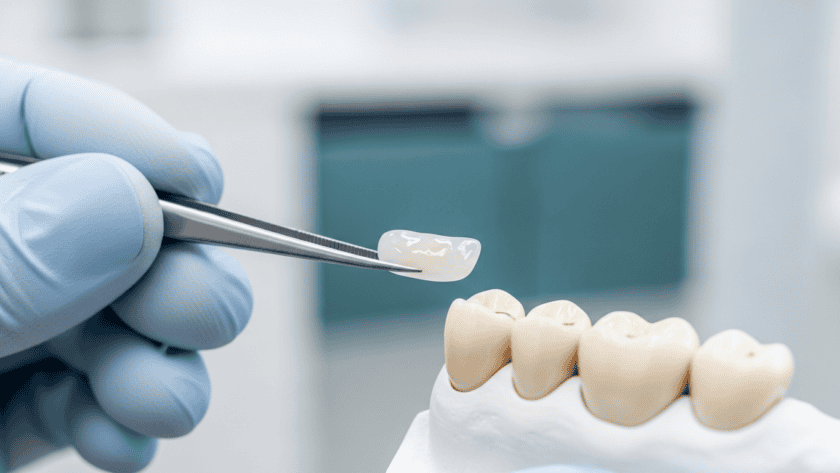
What are porcelain veneers? Balancing aesthetics and health, porcelain veneers have become a popular choice for many people seeking to improve their smiles. They are extremely thin porcelain veneers, typically only about 0.3 to 0.5 millimeters thick, fixed to the tooth surface using specialized bonding techniques to cover up any issues with the tooth's original color, shape, or alignment. Unlike all-ceramic crowns, which require significant tooth reduction, porcelain veneers offer a higher degree of preservation of tooth structure. However, before deciding to undergo treatment, consumers must fully understand the principles, potential risks, and long-term effects on tooth structure from an objective perspective. 2026 Comparison of Aesthetic Dental Restoration Options (Including Price Differences) | Specialty | Porcelain Veneers | Dental Crown | Resin Veneers | Minimal Tooth Grinding (0.3-0.5mm) | More Grinding (requires a smaller tooth size) | Almost No Grinding 2026 Reference Price: HK$2,000 - $8,000+ / tooth | HK$4,000 - $10,000+ / tooth | HK$500 - $2,500 / tooth | Price Differences: • Dentist Qualifications: Specialist dentists charge higher fees. • Laboratory: Uses E.max or imported porcelain blocks. • Technician: Digital cutting vs. hand-crafted multi-layered porcelain. • Materials: Zirconia, lithium disilicate, or handcrafted ceramics. • Complexity: Whether post and post or root canal restoration is required. • Time: Mostly in-clinic immediate shaping. • Consumables: Resin brand and polishing fineness. Durability: 10-20 years (with proper maintenance), 15+ years, 2-5 years (prone to discoloration). Most suitable for: gaps between front teeth, discoloration, minor chipping, severe cavities, post-root canal treatment, teeth with limited budget, short-term repairs. Porcelain veneers can specifically improve tooth color and shape, but a professional evaluation is required before the procedure. The precise relationship between porcelain veneers and enamel: The success of porcelain veneers largely depends on their bonding strength with natural enamel. To make room for the veneer and ensure a tight fit at the edges, avoiding gum inflammation or a "protruding tooth" appearance, dentists usually need to remove a small amount of tooth surface tissue. Many patients' biggest concern is: "How much enamel needs to be removed for porcelain veneers?" Generally, very little is removed, but in some cases with irregular tooth alignment, the amount of removal may be increased accordingly. It is important to note that enamel is the outermost protective barrier of teeth, and once removed, it cannot regenerate. Therefore, the question of "Can porcelain veneers be applied to teeth with thin enamel?" is an important issue that must be evaluated by a professional dentist through X-rays and clinical examination. If the enamel is too thin (e.g., due to long-term acid etching or wear), the bonding strength may be insufficient, even increasing the risk of veneer falling off or tooth fracture later. Aesthetic restoration of front teeth: From gaps to shape…
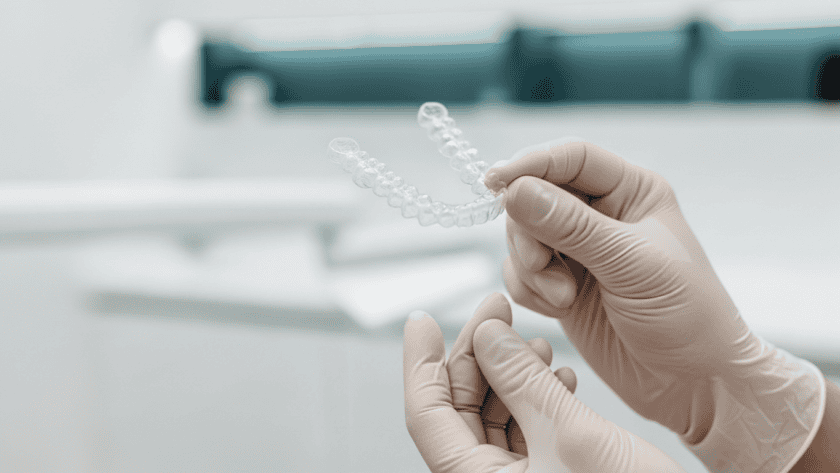
Overview and Consumer Guide to the Invisible Braces Market In recent years, orthodontic technology has developed rapidly, with "invisible braces" becoming the preferred choice for many Hong Kong residents seeking to improve their appearance due to their aesthetics, ease of removal, and high comfort. However, the price of invisible braces varies greatly in the market, ranging from over HK$10,000 to HK$60,000-70,000 for self-administered light orthodontic treatments to complex cases handled by specialists. As an independent Hong Kong dental guide, this article aims to provide consumers with an objective price analysis, breaking down the hidden costs in the treatment process, and discussing the equally important maintenance expenses after treatment. The price of invisible braces is affected by a variety of factors, and consumers should carefully compare different options. Key Factors Affecting the Price of Invisible Braces Consumers often find significant price differences when comparing prices. This is mainly affected by the following core factors: Case Complexity: Simple teeth adjustments (Lite/Express Packages) require fewer braces, resulting in lower costs; cases involving complex bite problems, severe crowding, or requiring wisdom tooth (impacted tooth) extraction have longer treatment times and correspondingly higher costs. Dental Certification: Treatments performed by orthodontic specialists are typically more expensive than those by general dentists, reflecting the specialist's professional training and experience in handling complex orthodontic mechanics. Brand Selection: The market offers well-known international brands such as Invisalign, as well as emerging local or remote orthodontic brands. Large international companies usually possess vast databases and patented technologies, resulting in higher fees; emerging brands attract customers with their cost-effectiveness. Additional Treatments: Oral health must be ensured before orthodontic treatment. If patients have periodontal disease or cavities, these must be treated first. For example, regular teeth cleaning to remove tartar or fillings; these costs are usually not included in the orthodontic package. Treatment Cost Structure: The devil is in the details. A standard invisible braces quote may include (or hide) the following items in addition to the cost of the braces themselves: Consultation and Examination Fees: Including oral scans (3D scan), X-rays, and photographic documentation. Refinement: If tooth movement does not meet expectations during or at the end of the treatment, additional braces may be required for fine-tuning. Some brands offer unlimited adjustments, while others charge per adjustment. Auxiliary tools: Consumables such as accelerators, chewies, or rubber bands. Tooth stripping and grinding: If wisdom tooth stripping or interdental retraction (IPR) is needed to create space, this is usually a separate charge, especially when surgical extraction is involved. Besides the braces themselves, X-rays and subsequent retainers are also significant expenses. Long-term expenses not to be ignored: Retainers. Many consumers overlook the maintenance costs after treatment when calculating the price of clear aligners. Teeth have memory; if retainers are not worn after orthodontic treatment, there is a high chance of relapse and displacement. Types and pricing of retainers: Common retainers on the market are mainly divided into three types: Clear Retainers: Similar in appearance to clear aligners, they are aesthetically pleasing but are consumables that will wear down or yellow over time. They usually need to be replaced every six months to a year, with prices ranging from approximately $1,500 to $3,000 per set. Traditional wire retainer (Hawley Retainer): Sturdy and durable, adjustable, but the metal wire is more noticeable. Fixed retainer: A metal wire bonded to the inside of the tooth; it cannot be removed by yourself and requires careful cleaning to prevent tartar buildup and frequent tartar removal treatments. …
A bright smile is a pursuit for many, and among the various cosmetic dentistry options, blue light whitening is widely popular due to its short treatment time and relatively noticeable results. As an independent consumer rights information platform, the Hong Kong Dental Guide aims to provide the public with objective and scientifically based dental information. While various whitening toothpastes and at-home kits are available on the market, clinic-provided blue light whitening still has unique advantages in terms of effectiveness and safety. This article will delve into its operating principles, potential risks to sensitive teeth, and market pricing trends for 2026. Professional blue light whitening must be performed by a registered dentist to ensure gum safety. The operating principle and procedure of blue light whitening: Blue light whitening uses a high concentration of hydrogen peroxide or carbon peroxide as a whitening agent. After being applied to the tooth surface, it is irradiated with a special wavelength of blue light, accelerating the oxidation-reduction reaction and thus decomposing the pigments deposited in the enamel and dentin. Before the treatment, the dentist must conduct a thorough oral examination to ensure there is no wisdom tooth inflammation or other periodontal problems. If a patient has severe tartar buildup, a professional teeth cleaning is necessary first; otherwise, the whitening agent cannot penetrate evenly, leading to uneven tooth color (color difference). Blue Light Whitening vs. Whitening Toothpaste: A Comparison of Effectiveness Many consumers try whitening toothpaste on the market before seeking professional treatment. These products usually contain fine abrasive particles, primarily used to physically remove extrinsic stains (such as tea and coffee stains) from the tooth surface. However, for intrinsic pigments that yellow with age, or for naturally darker teeth, the effects of regular toothpaste are often minimal. In contrast, blue light whitening penetrates deep into the tooth structure to alter pigmentation, typically resulting in a significant improvement of several shades, making it a more thorough solution. Potential Risks: Sensitive Teeth and Gum Irritation Although blue light whitening technology is quite mature, it is not without side effects. The most common issue is post-treatment tooth sensitivity (tooth sensitivity). This is because the high concentration of whitening agent temporarily opens the dentinal tubules, causing sensitivity to hot and cold stimuli. This sensation usually subsides within 24 to 48 hours. However, if the tooth has untreated cavities, the whitening agent may seep in and cause severe pain; therefore, fillings before treatment are a necessary precaution. Blue light whitening is not suitable for everyone; pre-treatment evaluation is crucial. Common Blue Light Whitening Questions (FAQ) 1. How long does the effect of blue light whitening last? Generally, the effect can last from 6 months to 2 years, depending on individual dietary habits. People who frequently drink coffee, drink red wine, or smoke will experience a faster return to their original color. 2. What should I do if my teeth are very sensitive after treatment? This is a normal post-treatment reaction. It is recommended to avoid eating excessively cold or hot foods for a week after treatment. For daily care, you can use a desensitizing toothpaste specifically designed for sensitive teeth. These toothpastes contain ingredients such as potassium nitrate, which help soothe the sensitivity of nerve endings. 3. Can I have a previous dental treatment record? It is important to note that whitening agents are only effective on natural teeth. If your front teeth have previously undergone root canal treatment and you've worn braces or implants, the color of these restorations will not be changed. This can lead to your natural teeth appearing whiter after whitening, while your dentures retain their original color, creating an awkward color difference. Proper post-treatment care can effectively prolong the whitening effect and reduce discomfort. When choosing a safe dental service, consumers should prioritize clinics run by registered dentists, rather than general beauty salons. According to Hong Kong law, procedures involving bleaching agents entering the tooth structure must be performed by qualified dental personnel. Furthermore, choosing an institution with a day care center or a transparent pricing system provides an extra layer of protection for your rights. Do not easily believe exaggerated claims such as "zero sensitivity" or "permanent whitening"; rely on medical evidence.
1. Introduction: Don't Let the "Sugar-Coated Trap" Ruin Your Child's Smile. In Hong Kong, the rate of childhood tooth decay remains high. Many parents are surprised to find their children covered in cavities when they bring them to the clinic, yet they don't understand why. "I don't give him candy, so why is this happening?" This is the most common question heard in the clinic. Pediatric dentist Dr. Sarah Lai points out that many parents believe only candy is the culprit, but "snacking" is actually the real killer. When the mouth is in a chronically acidic state, teeth have no chance to repair themselves. The enamel of baby teeth is thinner than that of permanent teeth, so once decay begins, it spreads very quickly. This article will guide parents through an in-depth understanding of the causes of childhood tooth decay, the latest treatment techniques, and how to use "behavioral guidance" to help children overcome their fear of going to the dentist. 2. Meet Dr. Sarah Lai, a Pediatric Dentist. When choosing a dentist, many parents ask, "Why a specialist?" Dr. Sarah Lai is a pediatric dentist. In addition to general dental knowledge, she has received years of specialized training, focusing on children's growth and development, child psychology, and special needs. Dr. Lai's treatment philosophy goes beyond simply "fixing teeth"; she emphasizes "holistic care." She and her team excel at using **"Behavior Management" techniques**, building trust with children through gentle, positive communication. In her clinic, dental visits are no longer cold, impersonal procedures, but a respectful and interactive experience. 🎬 [Video Interview] Want to hear Dr. Lai personally explain more about dental care? Welcome to click and watch the full interview below to learn more about professional insights into pediatric dentistry: 3. In-depth analysis: The three hidden killers of childhood cavities [Image suggestion: Please insert an image about the causes of cavities (Candy & Caries) / Image of sugary food concept] In addition to obvious candies, parents need to be wary of the following "hidden landmines": Hidden sugars and sticky foods: Many foods that parents consider healthy are actually threatening to teeth. For example, fruit juice, dairy drinks, dried fruit, and starchy snacks (such as cookies and potato chips). These foods are extremely sticky and easily adhere tightly to the deep gaps between teeth, making them more difficult to clean than hard candy. Bacteria break down these residues to produce acid, which directly corrodes teeth. Nighttime feeding and nursing to sleep habits: This is the most common cause of cavities in infants and young children. Falling asleep with a bottle in their mouth, or not cleaning after drinking milk in the middle of the night, will leave teeth soaked in lactose all night. This can cause serious **"Nursing Bottle Caries"**, which usually leads to extensive corrosion, blackening, and even breakage of the upper incisors. Vertical transmission of bacteria: This is often overlooked. Tooth-causing bacteria (Streptococcus mutans) are contagious. If parents or caregivers have poor oral hygiene, they can transmit bacteria to young children whose immune systems are not yet fully developed through sharing utensils, blowing on food to cool it, or kissing, increasing their risk of tooth decay later in life. …