


Why are more and more dental surgeries opting for monitoring anesthesia?
In Hong Kong, with advancements in day care technology, many complex dental procedures no longer need to be performed in hospitals but are instead completed in well-equipped day care centers. For patients sensitive to pain or suffering from dental anxiety, Monitored Anesthesia Care (MAC) offers a safe option between local and general anesthesia. As an independent authority on consumer information, the Hong Kong Dental Guide aims to provide the public with objective, medically evidence-based information to help citizens make informed decisions before undergoing surgery.
This article will provide a detailed analysis of the principles, scope of application, 2026 pricing trends, and safety precautions that patients must take into account for monitoring anesthesia.
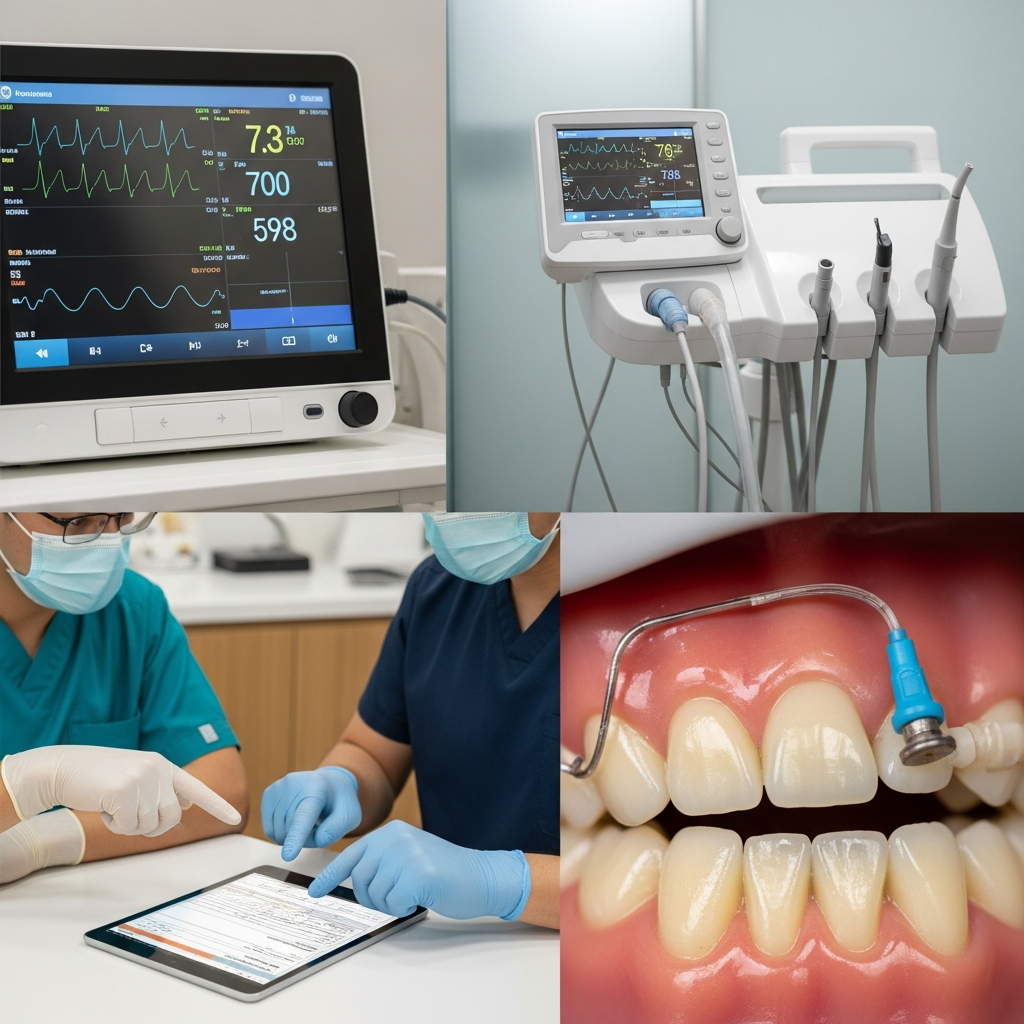
Monitoring anesthesia requires full-time supervision by an anesthesiologist to ensure that the patient's vital signs remain stable under sedation.
In-depth analysis: What is monitor anesthesia (MAC)?
Monitored anesthesia, commonly known as "sleep anesthesia" or "deep sedation," is a type of anesthesia that induces deep relaxation or even sleep in patients through intravenous administration of sedative drugs. Unlike traditional general anesthesia, patients under monitored anesthesia can usually maintain spontaneous breathing, but their memory of pain and the surgical procedure is significantly reduced or even completely lost.
Comparison of three anesthesia methods
| Comparison items | Local anesthesia | Monitoring anesthesia (MAC) | General anesthesia (GA) |
|---|---|---|---|
| state of consciousness | Fully awake | Deep sedation/semi-sleep | Completely lost consciousness |
| Breathing methods | spontaneous breathing | Spontaneous breathing (with oxygen support) | Intubation and ventilator required |
| Recovery time | immediate | Relatively fast (approximately 30-60 minutes) | Slower (requires several hours of observation) |
Which dental treatments is it suitable for?
Surveillance anesthesia is particularly suitable for treatments that are lengthy, complex, or prone to causing fear. Common examples include:
- Complex tooth extraction: Removal of multiple wisdom teeth or impacted teeth in one procedure.
- Dental implant surgery: especially cases involving bone grafting or full mouth dental reconstruction.
- For patients with dental phobia: Even simple root canal treatment may be considered if the patient has an extreme gag reflex or anxiety.
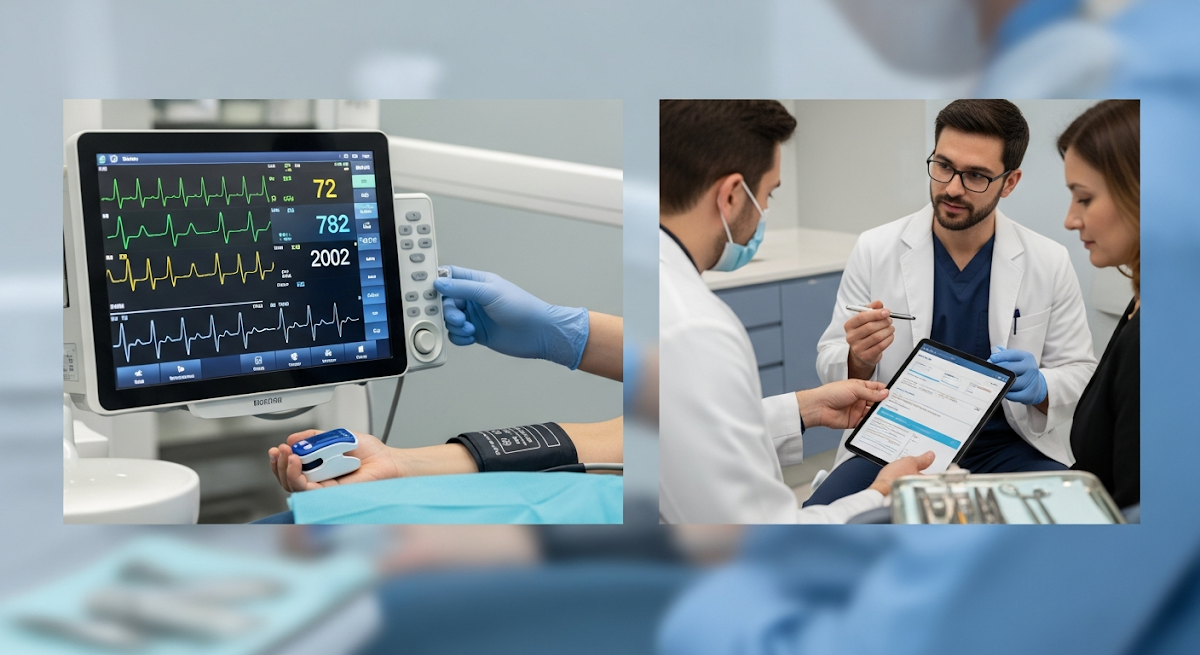
Professional monitoring anesthesia requires the use of cardiopulmonary monitoring equipment and is handled by a separate anesthesia team, rather than being performed by a dentist.
2026 Hong Kong Market Prices and Fees
According to market research, the cost of monitoring anesthesia is usually calculated separately from the dental surgery fee. The pricing model is mostly based on the "first hour" and "every half hour thereafter".
- The first hour fee ranges from approximately HK$6,000 to HK$9,000.
- Every 30 minutes thereafter: approximately HK$3,000 - HK$4,500.
Note: The above only covers the anesthesiologist's fees and does not include operating room rental, medication costs, or the cost of the dental treatment itself. When comparing quotes for fillings or surgery, consumers must request a "full-inclusive" budget from the clinic to avoid hidden charges.
Frequently Asked Questions (FAQ)
Q1: Are there any risks associated with monitoring anesthesia?
All sedation treatments involving medication carry risks. Potential risks include respiratory depression, decreased blood pressure, or drug allergies. Therefore, guidelines from the Hong Kong Academy of Medicine recommend that monitoring anesthesia must be performed by a specialist in anesthesiology, rather than by the dentist performing the surgery, to ensure that someone is dedicated to monitoring the patient's airway and vital signs.
Q2: Is fasting required before undergoing monitoring anesthesia?
Yes, it is necessary. Although less severe than general anesthesia, patients usually need to fast and abstain from water for about 6 to 8 hours before surgery to prevent aspiration pneumonia caused by vomiting. Specific guidelines should be followed according to the anesthesiologist's preoperative assessment.
Q3: Can I go home on my own after the surgery?
Absolutely not. Sedatives can impair judgment and coordination for up to 24 hours. Patients must be accompanied by an adult family member or friend when leaving the clinic and must not drive or operate heavy machinery on the day of the incident.
After monitoring anesthesia is completed, the patient needs to be observed in a recovery area equipped with monitoring equipment until fully awake.
How to choose a qualified day medical center?
When choosing a dental clinic to provide monitoring anesthesia, consumers should not only focus on price. For their own safety, the following three criteria should be considered:
- Possessing a day medical center license ensures that the premises meet the Department of Health's stringent requirements for ventilation, emergency equipment, and infection control.
- Independent anesthesiologist: This confirms that the anesthesia procedure is performed by a registered specialist, not a general practitioner or a dentist.
- Adequate resuscitation facilities: Clinics must have a dedicated recovery area equipped with an automated external defibrillator (AED) and emergency medications.
Dental health is just as important as life safety. Before undergoing any treatment involving anesthesia, it is recommended to consult your dentist and ask questions during your teeth cleaning check-up, and obtain a detailed written quote and risk assessment.
If you are unsure whether your physical condition is suitable for monitoring anesthesia, or if you would like to see a list of clinics qualified as day medical centers, please use our AI assistant for instant professional analysis.