


2026 Hong Kong Dental Implant Guide: Price, Surgical Categories, and Success Rate Factors Explained
People of all ages may need dental implant surgery. Young people may break teeth due to strenuous exercise; older people may lose teeth due to poor dental health. Besides affecting appearance, missing teeth can cause inconvenience in daily life. In Hong Kong, dental implants have become the mainstream option for tooth replacement by 2026. However, many patients mistakenly believe that dental implants are a permanent solution. In fact, the success rate of dental implants is affected by a variety of factors.
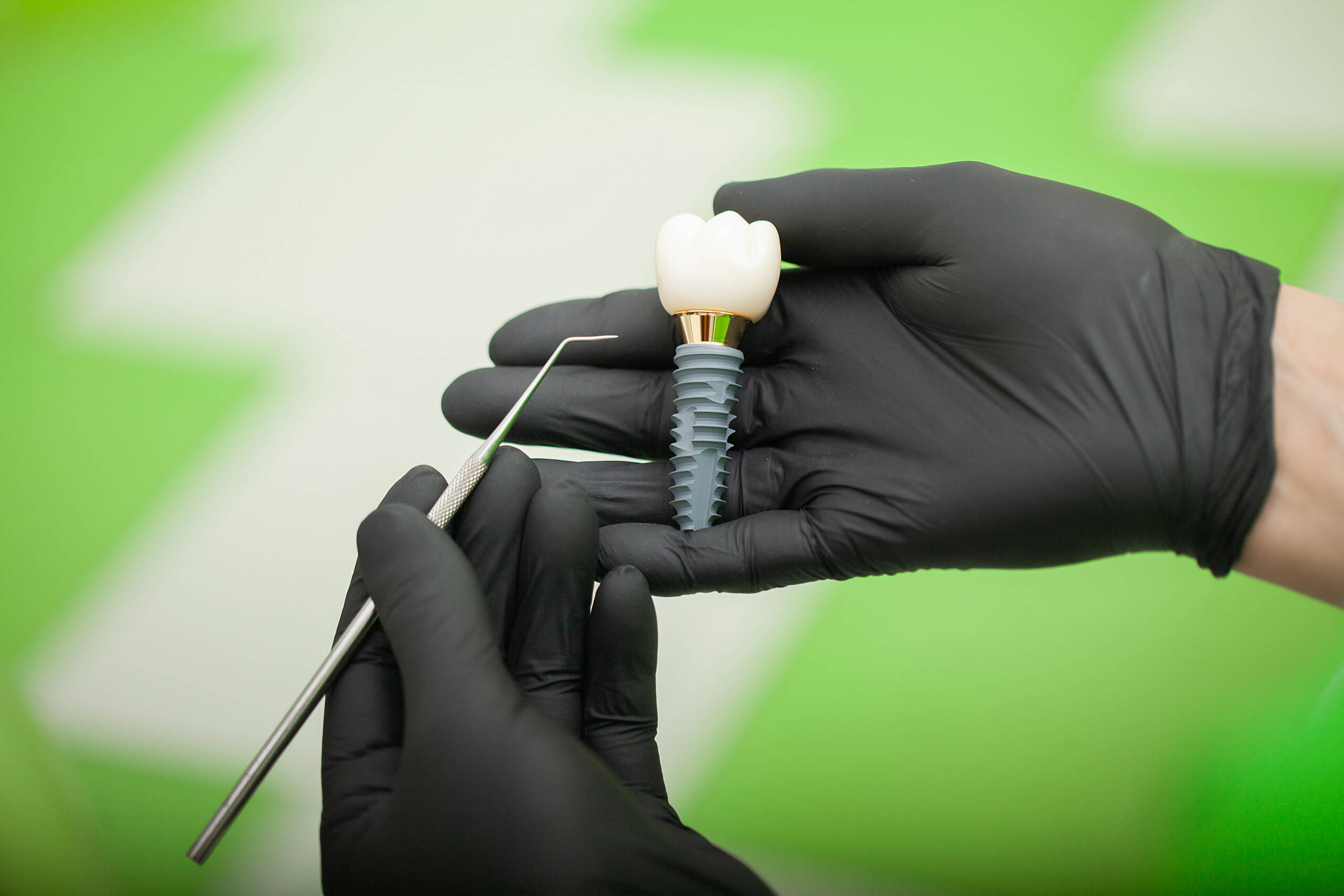
1. What dental implant surgeries are available for patients to choose from?
Currently, there are two main types of dental implant surgery: computer-guided implant surgery (also known as minimally invasive implant surgery) and traditional implant surgery, each with its own advantages.
Computer-guided dental implant surgery (minimally invasive):
Advantages: The surgical incision is smaller, and the patient experiences less postoperative pain.
Limitations: Not suitable for every patient; patients with good dental bone condition are generally more ideal.
Traditional dental implant surgery:
Advantages: Suitable for cases requiring complex bone grafting surgery, allowing dentists to more precisely reconstruct the alveolar bone environment.
Experts recommend that patients first consult a dental clinic and have their dental bone condition analyzed using a CT scan (3D computed tomography). The dentist's skill and experience are also crucial to the success of the surgery.
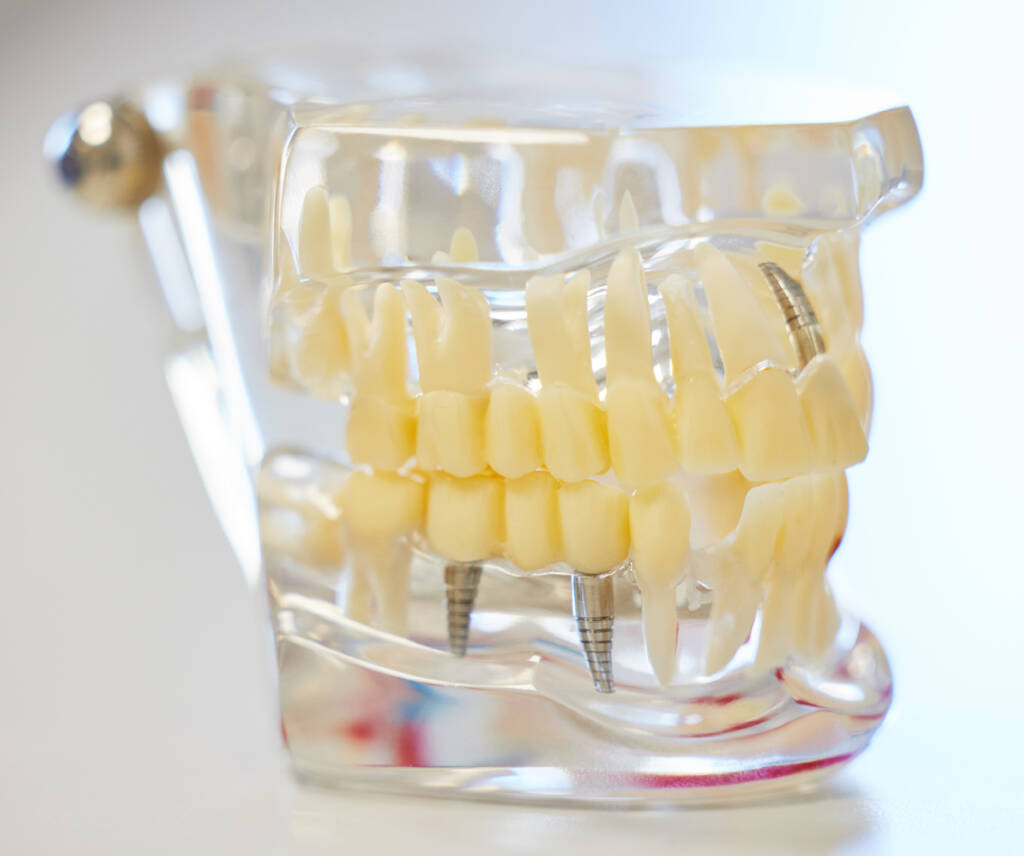
II. 2026 Hong Kong Dental Implant Fee Reference Table
The cost of dental implants can vary depending on the brand of implant, the complexity of the surgery, and whether bone grafting is required.
| project | Reference price for general dentist | Specialist dentist reference price |
| Traditional dental implants (per tooth) | HK$15,000 – $25,000 | HK$30,000+ |
| Minimally invasive guided dental implants (per tooth) | HK$18,000 – $32,000 | HK$40,000+ |
| 3D computed tomography (CT) scan | HK$1,500 – $2,500 | HK$2,500+ |
III. Key Factors Affecting the Effectiveness and Success Rate of Dental Implants
Dental implants are not a "one-and-done" solution; the success rate is affected by the following individual factors:
1. Personal hygiene habits and "implant periodontitis"
Post-operative dental care habits are crucial for patients. Not only teeth, but periodontal health also directly affects the lifespan of implants.
Risk: Poor oral hygiene can lead to implant periodontitis, and bacterial infection can cause the implant root to loosen.
Recommendation: Proper dental care and regular checkups are necessary to ensure good dental health.
2. Personal health status and medical history
Some systemic diseases can affect the bone's ability to regenerate and wounds to heal:
Chronic diseases such as diabetes and heart disease can increase the risk of surgical failure and infection.
Existing dental conditions, such as cavities and inflammation caused by periodontal disease, can also affect implants.
Part Three: FAQ (Schema Optimized)
Q1: Can I eat immediately after dental implant surgery? Does it hurt?
A: It is recommended to eat soft foods after the anesthesia wears off. Minimally invasive surgery is less painful, but if you experience persistent severe pain, please contact the clinic immediately.
Q2: Is dental implantation 100% successful?
A: The success rate of dental implants is high but not 100%, as it is affected by smoking habits, systemic diseases, and oral hygiene.
Q3: Can I rinse my mouth with salt water instead of brushing my teeth to maintain dental implants?
A: No. Saline solution cannot remove plaque. Physical cleaning with a toothbrush, interdental brush, and dental floss is necessary to prevent implant inflammation.