


If you are searching for the price of dental fillings in Hong Kong in 2026 , the market price range is usually between HK$800 and HK$1,500 . However, dental fillings in modern dentistry are not a simple "filling" procedure, but a sophisticated biomechanical restoration.
The final price depends not only on the number of tooth surfaces affected by the cavity and the materials used, but also on the dentist's qualifications and clinical judgment, which directly affects the long-term success rate of the treatment and the lifespan of your natural teeth.
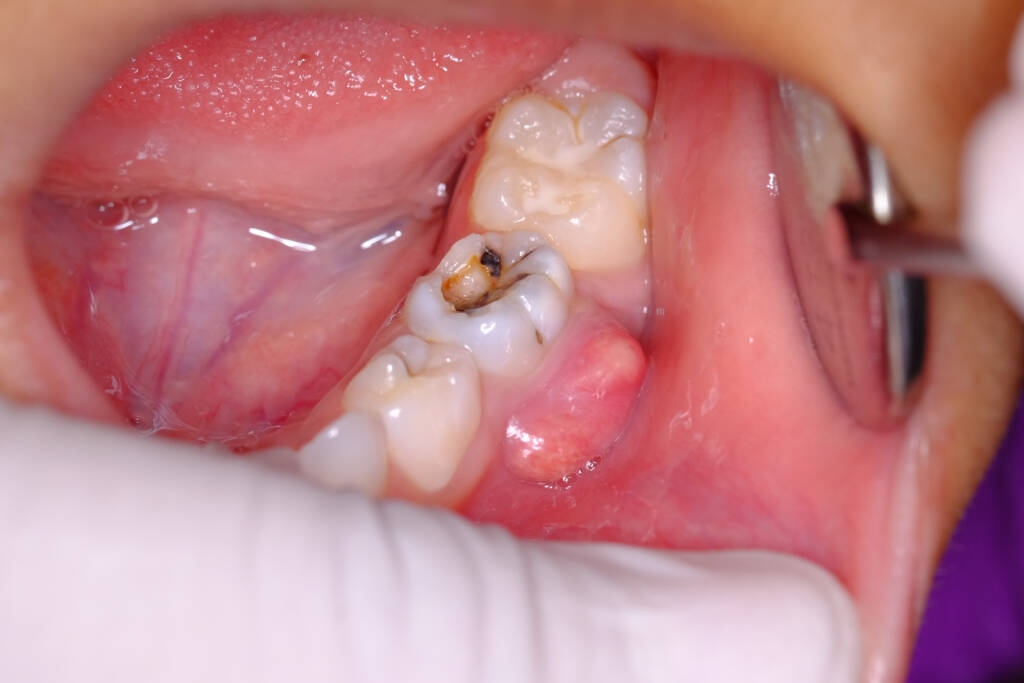
I. Quick Answer: 2026 Hong Kong Dental Filling Fee Reference Table
The cost of fillings often varies depending on the "complexity". Simple occlusal cavities are treated in a shorter time; if the cavity involves the proximal surface (interdental space), the dentist needs to use a matrix band and wedges to reconstruct the natural tightness and shape of the tooth, which requires more technical skill and materials.
| Treatment Program | Reference price (2026) | Professional Notes |
|---|---|---|
| Simple composite resin fillings | HK$800 - $1,100 | Suitable for minor cavities on a single tooth surface (1 surface). |
| Composite resin filling (complex) | HK$1,200 - $1,800 | It involves the reconstruction of multiple tooth surfaces or adjacent surfaces. |
| Ceramic inlay (Onlay / Inlay) | HK$3,500 - $6,500 | The preferred choice for large-scale repairs, it offers superior edge sealing compared to ordinary resins and is more durable. |
| Remove the old amalgam (silver powder). | HK$1,000 - $1,800 | A powerful suction system is required to prevent the absorption of mercury vapor. |
II. In-depth analysis: Why you can't just look at the price when it comes to fillings?
During dental consultations, many patients' first reaction is to ask, "Which clinic is the cheapest?" However, in medical decisions, simply choosing a low price often hides huge long-term costs. The core value of a filling is not in "filling the cavity," but in preventing "microleakage," which is a crucial barrier protecting the dental pulp (dental nerve) from bacterial erosion.
What is microleakage? The number one killer of dental fillings.
Resin fillings are a delicate chemical bonding process. If the dentist does not maintain proper moisture isolation during the procedure, such as allowing the filling material to become contaminated by the patient's saliva, mist, or even exhaled moisture, tiny, invisible gaps can form between the filling material and the natural tooth. This can lead to:
- Secondary cavities: Bacteria enter through the crevices and quietly erode the tooth beneath what appears to be a perfectly intact filling.
- Pulpitis: Bacteria penetrate deep into the dentinal tubules, causing irreversible nerve inflammation.
- Structural disintegration: failure of adhesive force, resulting in the filling falling off or the tooth splitting vertically.
2. The Importance of Moisture Control Technology: Rubber Dam
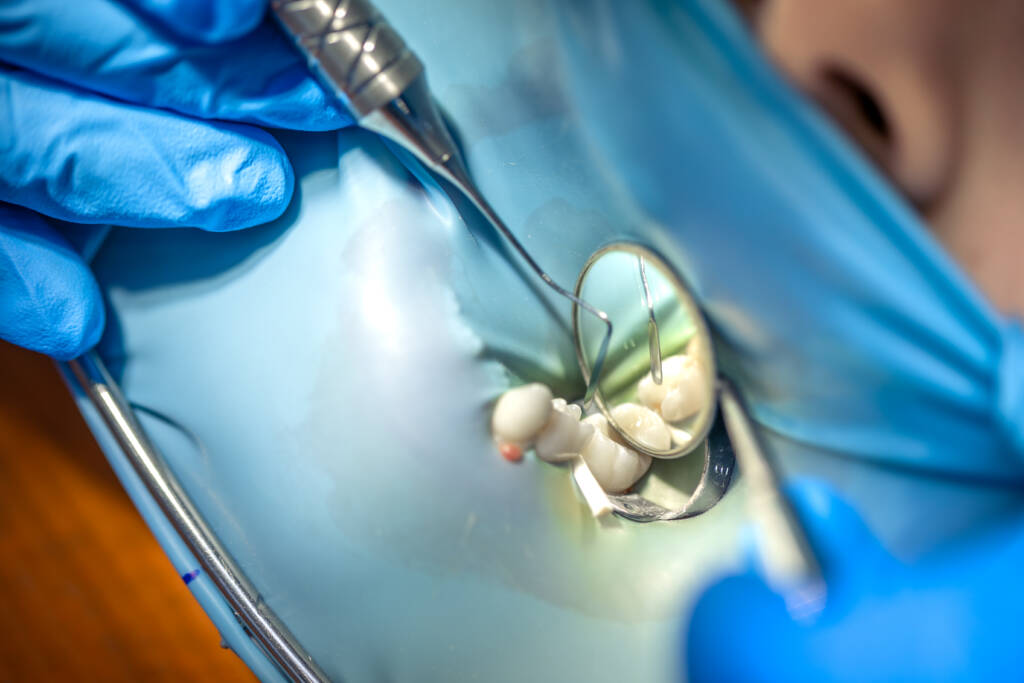
In high-quality filling procedures, experienced dentists may consider using a rubber dam. This is a thin film that isolates the treated tooth from the rest of the mouth, ensuring the treated area is "absolutely dry" and "sterile." While this increases cost and time, it is the clinical gold standard for ensuring 100% bonding strength between the resin and dentin.
III. Let's do the math: The long-term costs of ignoring small holes.
Dental treatment emphasizes early intervention. Delaying dental fillings due to budget constraints can lead to exponentially increasing financial burdens in the future.
- Stage 1 (early superficial cavities):
A typical filling (approximately HK$800 - $1,200) preserves 95% of the natural tooth and is virtually painless. - Second stage (bacterial invasion of dental pulp):
Root canal treatment and braces are required, and the cost soars to HK$12,000 - $20,000. - Stage 3 (tooth breakage):
The only option is to remove the tooth and perform an implant, with a total cost of approximately HK$25,000 - $35,000, which is 30 times the cost of the initial filling.
IV. Material Comparison: Silver Powder vs. Resin
Although amalgam is inexpensive, it has been gradually phased out by 2026. The long-term expansion and contraction due to temperature changes can easily cause fatigue cracks in natural teeth.
Modern mainstream fillings use composite resin. High-quality resin can bond with teeth through chemical bonding. The key is whether the dentist uses a "layering technique," with each layer not exceeding 2mm in thickness, to minimize resin shrinkage stress.
V. Frequently Asked Questions (FAQ): In-depth answers to your dental filling concerns
Q1: I feel a stinging sensation when drinking cold hot water after a filling. How long should I observe this?
Mild sensitivity is common within 1 to 2 weeks after surgery. However, if the sensitivity persists for more than 3 weeks, or if "paroxysmal throbbing pain" occurs, it may indicate that there is a high spot in the bite that needs to be adjusted, or even that the tooth decay is too deep and has caused nerve degeneration.
Q2: Why do some fillings fall out in less than two years?
Common causes include: bonding failure (improper moisture isolation during the procedure), excessive occlusal pressure (grinding habit), or excessively large cavity area (ceramic inlays should be considered instead of simple powder filling).
Q3: What substantial impact does a dentist's qualifications have on the quality of dental fillings?
Experienced dentists use cavity revealing agents to precisely preserve healthy tissue and spend time on "margin sealing" and "physiological morphology reconstruction" to ensure that dental floss can pass smoothly after the filling is completed, preventing food from getting stuck between teeth and causing periodontal disease.
VI. Conclusion: Protecting your natural teeth is the best investment.
Instead of blindly chasing the lowest market price, opt for a medical center with transparent pricing, advanced equipment, and a strong focus on infection control. If you're looking for a cost-effective option with a professional reputation, please refer to our 2026 Hong Kong Dental Rankings (internal link) to make the right choice for your dental health.