


2026 Hong Kong Wisdom Tooth Complete Guide: Impacted Tooth Classification, Pricing, and Post-operative Care (Easy Guide)
Wisdom teeth , medically known as third molars, are usually the last permanent teeth to erupt. Most people experience wisdom tooth eruption between the ages of 17 and 25. Due to evolutionary changes leading to smaller jawbone space, many people's jaws are not large enough to accommodate wisdom teeth, resulting in impacted wisdom teeth that fail to erupt normally. As a professional dental team, we will analyze the risks, complications, and clinical management principles of wisdom teeth.
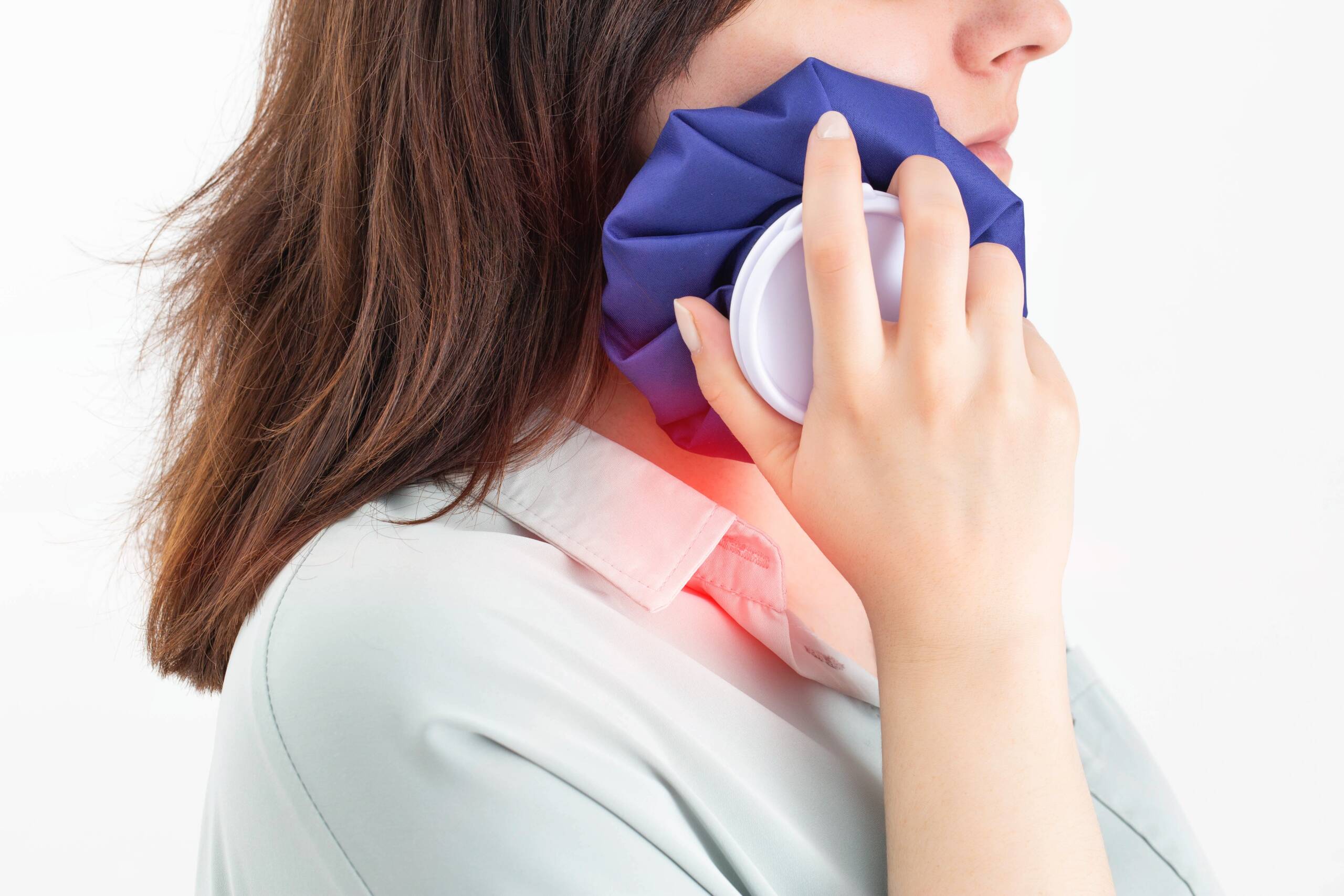
I. Understanding Wisdom Teeth: Location and Impaction Classification
When there is insufficient space in the dental arch, wisdom teeth may grow at an abnormal angle, pushing against the adjacent second molar. Based on panoramic X-rays (OPG) or 3D computed tomography (CBCT), they can be mainly classified into the following categories:
Mesial impaction: the most common type, where the wisdom tooth tilts forward and pushes against the second molar, easily causing food impaction and leading to decay of adjacent teeth.
Vertical impaction: The orientation is generally normal, but it cannot grow completely due to space constraints or soft tissue coverage.
Horizontal impaction: The wisdom tooth lies horizontally and is deeply embedded in the alveolar bone. It is the most difficult to operate on and requires the crown to be removed.
Distal impaction: Growing at an angle towards the back of the mouth.
II. Reference Table for Wisdom Tooth Removal Fees in Hong Kong, 2026
The cost of wisdom tooth extraction depends on the depth of the tooth, the shape of the root, and the complexity of the surgery. Surgical procedures involving incisions typically include local anesthesia, gum incision, and suturing.
| project | Reference price for general dentist | Specialist dentist reference price |
| Simple wisdom tooth extraction (non-surgical) | HK$800 - $1,800 | HK$2,500+ |
| Impacted wisdom tooth surgery (open surgery) | HK$3,500 - $7,500 | HK$8,000 - $18,000 |
| 3D Computed Tomography (CBCT) | HK$1,500 - $2,500 | HK$2,500+ |
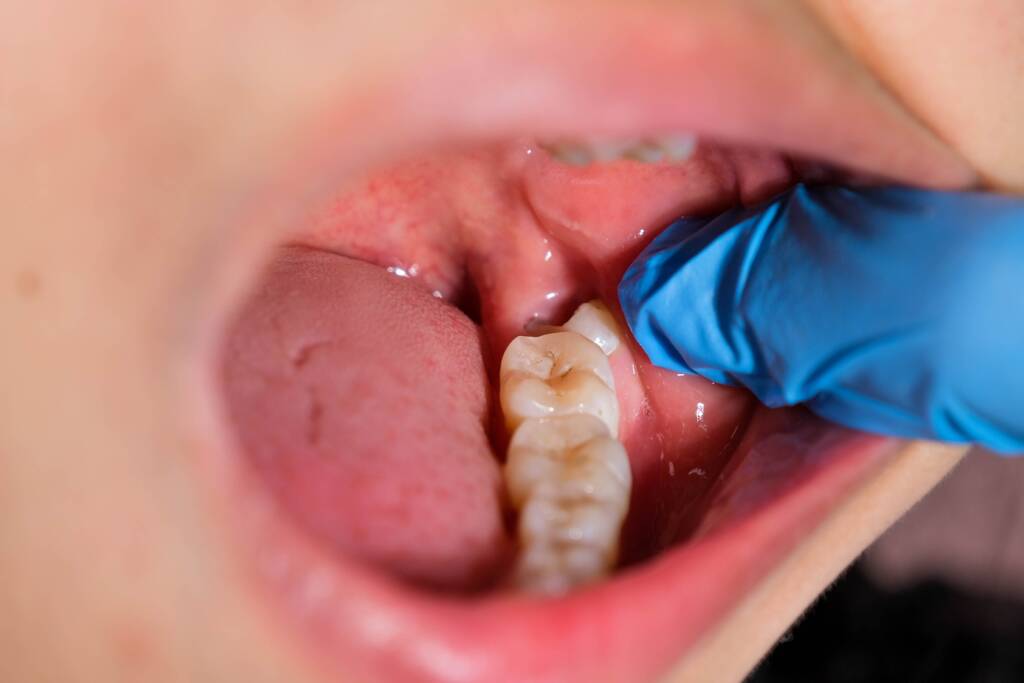
III. Common oral complications caused by wisdom teeth
Hidden risks associated with wisdom teeth may become apparent over time, increasing the chances of bacterial growth and bone destruction.
Pericoronitis: When a wisdom tooth partially erupts, debris can easily accumulate in the soft tissue around the crown, leading to inflammation, pain, and even limited mouth opening. Acute infections may require treatment for dental abscesses and antibiotic control.
Tooth decay and periodontal disease: The triangular area between the wisdom tooth and the adjacent tooth is difficult to clean, often leading to deep tooth decay or irreversible periodontal damage in the second molar.
Odontogenic Cysts: Impacted wisdom teeth may become diseased and form dentigerous cysts, which can enlarge and damage jawbone tissue. If a lesion is found, dental cyst treatment surgery is required to remove it.
IV. Wisdom Tooth Surgery Procedure and Risk Assessment
For impacted teeth with bone embrittlement, dentists will use 3D CBCT to assess the distance between the tooth root and the mandibular nerve canal to reduce the risk of nerve damage. The surgery typically involves the following steps:
Local anesthesia: to ensure a painless procedure.
Flap surgery: cutting and flipping open the gum tissue to expose the tooth.
Bone removal or tooth splitting: Using precision instruments, the tooth is split into several pieces and removed one by one to protect the surrounding bone.
Debridement and suturing: Clean the wound and suture it, usually using self-removable sutures or sutures that need to be removed after a week.
Dental professional advice: Wisdom teeth should be extracted before the age of 25. Because the bone is more elastic and the tooth root is not yet fully developed, the postoperative healing is faster and the risk of complications is lower.
V. Common Questions about Wisdom Teeth (FAQ)
Q: When can I eat after wisdom teeth removal? What should I do if I can't sleep in pain?
A: About 2 hours after the surgery, once the anesthesia wears off, you can eat liquid or soft foods. If you experience uncontrollable, severe pain, it may be a sign of dry socket, and you should immediately seek emergency dental treatment at the nearest dental clinic.
Q: Can I wash a wound with saline solution? Can applying toothpaste relieve pain?
A: Do not rinse your mouth vigorously for 24 hours after the surgery to avoid washing away the blood clots. From the second day onwards, you can gently rinse your mouth with warm saline solution, but do not brush the wound. Toothpaste will not relieve pain and may irritate the wound.
Q: Do I need to change my toothbrush after getting my wisdom teeth removed?
A: I recommend getting a new toothbrush, preferably one with a smaller head and softer bristles, to better clean the area around the wound at the back of the mouth and reduce the risk of bacterial infection.